

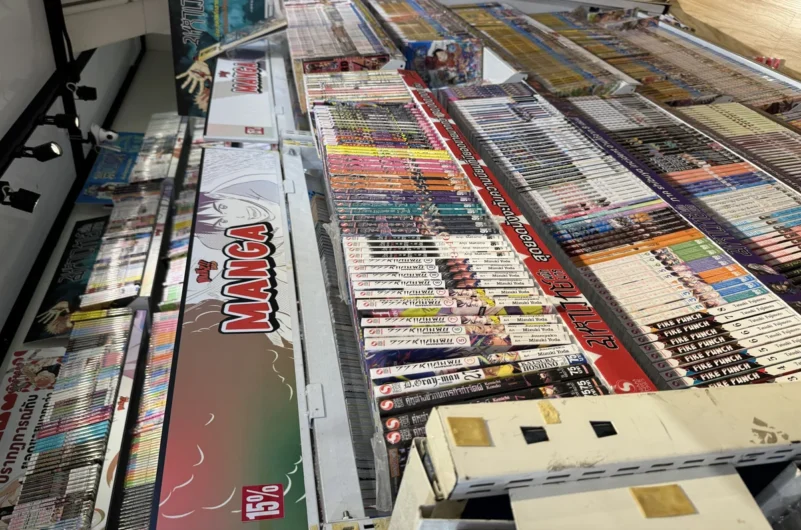
Manga Localization Challenges: Navigating Cultural Nuances
Manga publishers comparing manga localization services quickly discover that literal translation isn’t enough to compete in the US market. Competitive differentiation comes from how a team handles rhythm, subtext, and regulatory realities under tight release schedules. A studio that treats localization as creative editing rather than word replacement can preserve author intent while still delivering scripts that feel native to US readers. Buyers should focus less on page rates and more on editorial decision-making, continuity discipline, and how the provider cooperates with Japanese rights holders.
One core point of difference is how a vendor approaches social nuance in Japanese Manga Translation. Choices around honorifics, register shifts, and regional dialects define character dynamics far more than many first-time licensors expect. For instance, a rigid policy to strip all honorifics may streamline production but flatten hierarchy and intimacy across entire casts. Strong providers document title-specific norms and revisit them when arcs shift tone, rather than forcing every series into a single global style guide.
Another differentiator is how teams handle on-page constraints: cramped bubbles, stacked sound effects, and complex panel composition. Providers experienced in anime and manga translation workflows know that a good English line that doesn’t fit the balloon is a failed solution. They’ll involve letterers early, adjust line lengths, and plan for redrawing when SFX carry narrative weight. By contrast, low-cost vendors often silo translators from designers, leading to last-minute compromises and awkward, micro-font dialogue.
Editorial judgment that preserves character and tone
Readers often sense when character voice drifts between volumes, even if they can’t explain why. That’s where professional manga localization stands out. Senior editors track speech quirks, running gags, and evolving relationships so that character voice in anime translation and manga adaptations remains consistent across years of publication. When rotating translators are needed for schedule reasons, these editors enforce continuity rather than letting each volume feel like a new interpretation.
A nuanced provider also has a clear stance on cross-cultural comic adaptation without erasing Japanese context. They may keep certain cultural terms while relying on art, panel order, and pacing to carry meaning instead of over-explaining. At the same time, they’ll update dated pop-culture jokes only when the original punchline can’t work for US readers. This balancing act is what separates a competent script from one that feels like a fan rewrite or, worse, a mechanical export.
Operational reliability and quality control
On the operational side, serious licensors should ask detailed questions about quality control for manga translations. A mature vendor can explain how they run term bases, name spellings, and attack names across dozens of volumes without drift. They’ll have documented review passes, not just “someone checks it at the end.” When redlines arrive from Japanese editors, they can show the feedback loop: how comments are recorded, implemented, and shared across teams.
Technical execution also matters. Studios with best practices for manga lettering won’t simply paste English onto sound effects; they’ll weigh when to redraw, when to overlay, and when to leave Japanese SFX with subtle translations. They’ll share comic book translation tips and constraints with licensors, such as balloon expansion limits or print resolution issues, so decisions are made with production reality in mind. That transparency helps avoid late-stage disputes and reprint costs.
Choosing a partner for long-running series
Licensors planning multi-year titles should assess more than sample chapters. Ask how the team has handled localizing Japanese comic dialogue when a series shifts genres or ratings mid-run, and what their multilingual comic localization strategy looks like if you’re eyeing other territories later. Vendors with genuine experience can describe specific schedule crunches, rights-holder disagreements, and retailer compliance issues they’ve already solved, not just ideal processes on paper.
If you’re weighing different manga localization services for your next acquisition, speak directly with the editorial lead who’ll own your title, not just a salesperson. Ask about recent cross-team challenges, how they’ve applied anime translation techniques to complex fight choreography, and where they draw the line on on-page cultural notes. A candid conversation about constraints, not just promises, is usually the clearest signal you’ve found a partner capable of sustaining quality across demanding release schedules. Reach out to our team to review sample chapters and compare approaches before you commit your next license.