

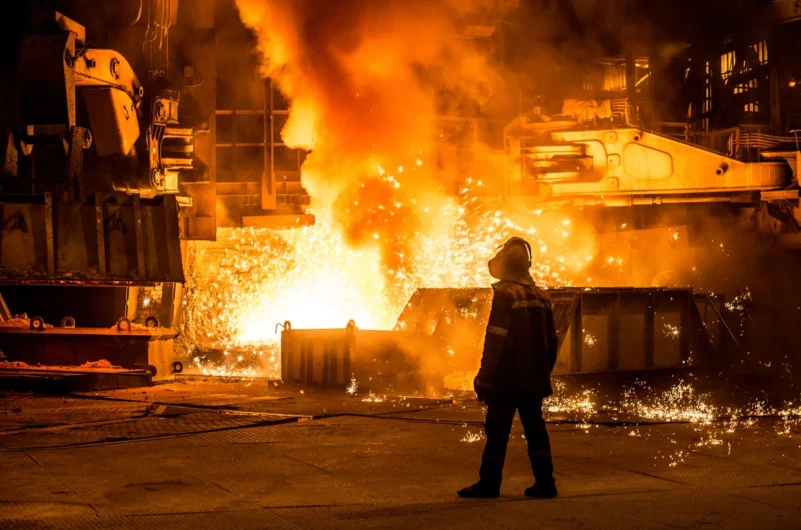
Interpreting services in mining operations are a critical safeguard wherever multilingual crews, complex procedures, and hazardous conditions intersect. In large open-cut and underground sites, routine activities such as inductions, pre-starts, maintenance planning, and incident reviews rely on precise, shared understanding. When supervisors, contractors, and local workers don’t share a common first language, structured interpreting support can be the difference between a controlled task and a near miss.
Why interpreting services in mining operations are a safety control
Interpreting services in mining operations directly influence safety performance, not just convenience. Regulators and industry bodies consistently link communication failures to serious incidents, especially during non-routine work such as shutdowns or emergency response. Professional interpreters help ensure that procedures, isolation steps, and critical controls are explained in language workers genuinely understand, rather than relying on partial English or ad hoc peer translation. This approach reduces silent confusion and empowers personnel to ask questions before work begins.
Key use cases across the mining lifecycle
On-site, interpreters often support site inductions, toolbox talks, change-of-procedure briefings, and investigations after an event. Remote interpreting by phone or video is frequently used for technical troubleshooting with OEM vendors, cross-border contractor meetings, or engineering design reviews. Where international owners or consultants interface with host-country workforces, multilingual communication in mining becomes an operational requirement rather than a “nice to have”. The most effective programs map interpreter involvement to specific high-risk activities and decision points.
Poorly translated safety messages in mining don’t just reduce clarity; they can invalidate controls that look compliant on paper while leaving real work crews exposed in the field.
Specialist interpreters for mining operations need far more than general language skills. They’re expected to handle mining industry terminology around ground control, ventilation, explosives, and complex process plant equipment with confidence. Many sites maintain specialised mining terminology glossaries so interpreters, trainers, and supervisors use consistent wording across shifts and contractors. Without that consistency, crews can hear three slightly different explanations of the same control and become uncertain which instruction actually governs the job.
How interpreting fits with broader language support
Effective language solutions for mining usually combine interpreting with written services such as Mining Translation, procedure updates, and visual job aids. Training packages, SOPs, and permits often require technical translation services before interpreters present them in live sessions. Where detailed engineering design is involved, engineering translation for mine sites helps align local implementation with the intent of original documents. Treating spoken and written communication as one integrated system avoids gaps where verbal explanations don’t match the paperwork.
From a risk management perspective, accurate translation for mining safety is a reasonably practicable control when a significant share of the workforce operates in a second or third language. Sites that operate across multiple jurisdictions often develop industry-specific translation for resources in parallel with technical language support for miners, so shift leaders can clarify key concepts on the spot. Well-planned language support for global mining projects acknowledges constraints too: remote sites may have patchy connectivity for video interpreting, last−minute roster changes, and local dialect differences that require careful interpreter selection.