

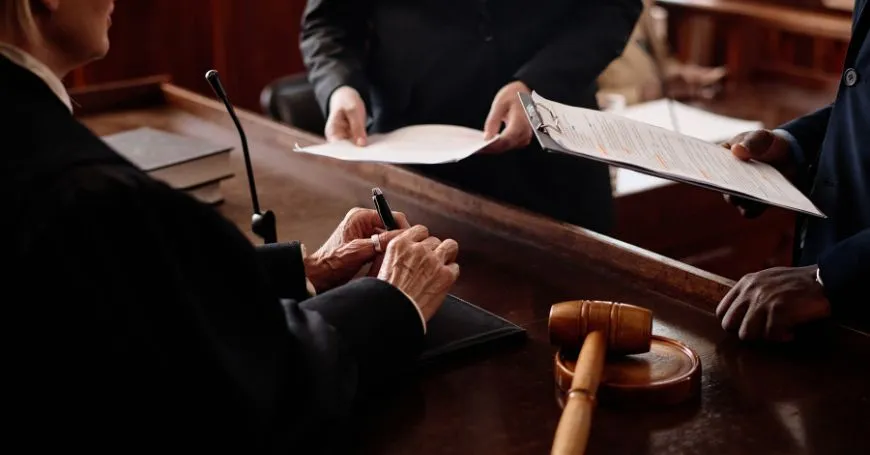
Legal depositions are where stories are told under oath. Every detail, every pause, and every word carries weight. Now add a bilingual dynamic—Spanish and English flowing back and forth—and the stakes become even higher.
In these settings, transcription is not just documentation. It is the official record that attorneys, judges, and investigators rely on long after the deposition ends. If the transcript is flawed, the entire testimony can be questioned.
For businesses involved in legal disputes, compliance investigations, or cross-border operations, accurate Spanish–English transcription is essential. It ensures that testimonies are preserved exactly as intended, without distortion or loss of meaning.
What Happens During a Legal Deposition
A deposition is a formal interview conducted under oath, usually outside the courtroom. Witnesses provide statements that are recorded and later transcribed.
These transcripts become part of the legal record and are often used during trials. Attorneys analyze them to identify inconsistencies, build arguments, and challenge opposing claims.
Why Transcription Accuracy Is Critical
In depositions, there is no room for error. A single misinterpretation can change the meaning of a statement and affect how it is used in court.
For example, translating “posiblemente” as “definitely” instead of “possibly” shifts the level of certainty. That small change can influence how testimony is perceived.
Accuracy ensures that every statement reflects the witness’s true intent.
Challenges in Bilingual Depositions
Spanish–English depositions present unique challenges:
- Differences in sentence structure between languages
- Legal terminology that doesn’t translate directly
- Regional variations in Spanish dialects
- Rapid exchanges between attorneys and witnesses
These factors make transcription more complex than standard audio conversion.
The Risk of Inaccurate Transcripts
Inaccurate transcription can have serious consequences:
- Misrepresentation of witness statements
- Weakening of legal arguments
- Increased risk of disputes over testimony
- Potential delays in legal proceedings
In some cases, transcripts are used to impeach witnesses. If the transcript itself is unreliable, the entire process is compromised.
Best Practices for Deposition Transcription
To ensure reliable transcripts, businesses should:
- Ensure bilingual fluency and legal expertise
- Use quality audio recordings for clarity
- Implement strict proofreading and verification processes
Accuracy in transcription is like precision in engineering—small errors can lead to major failures.
Human Expertise vs. Automation
While automated transcription tools can assist with speed, they often fall short in legal contexts. They struggle with accents, overlapping speech, and complex terminology.
Human transcriptionists bring contextual understanding and attention to detail, making them essential for deposition accuracy.
Supporting Stronger Legal Outcomes
Accurate transcription strengthens the integrity of legal processes. It ensures that testimonies are preserved faithfully and can be relied upon during trials.
For businesses, this means reduced risk, clearer legal strategies, and more confident decision-making.
Conclusion
Legal depositions rely heavily on accurate transcription to preserve the truth. In Spanish–English environments, this responsibility becomes even more critical. Every word must be captured precisely to ensure that testimonies remain reliable and defensible.
By investing in skilled transcription services and maintaining strict quality standards, businesses can protect the integrity of their legal records. Because in legal matters, accuracy is not just important—it is essential.
FAQs
- What is a legal deposition?
It is a sworn testimony recorded outside the courtroom for use in legal proceedings. - Why is transcription important in depositions?
It creates the official record used by attorneys and judges. - What are common challenges in bilingual transcription?
Language differences, legal terminology, and accents can complicate the process. - Can automated tools handle deposition transcription?
They can assist but are not reliable enough for legal accuracy. - How can businesses ensure accurate transcripts?
By hiring experienced professionals and implementing quality checks.