

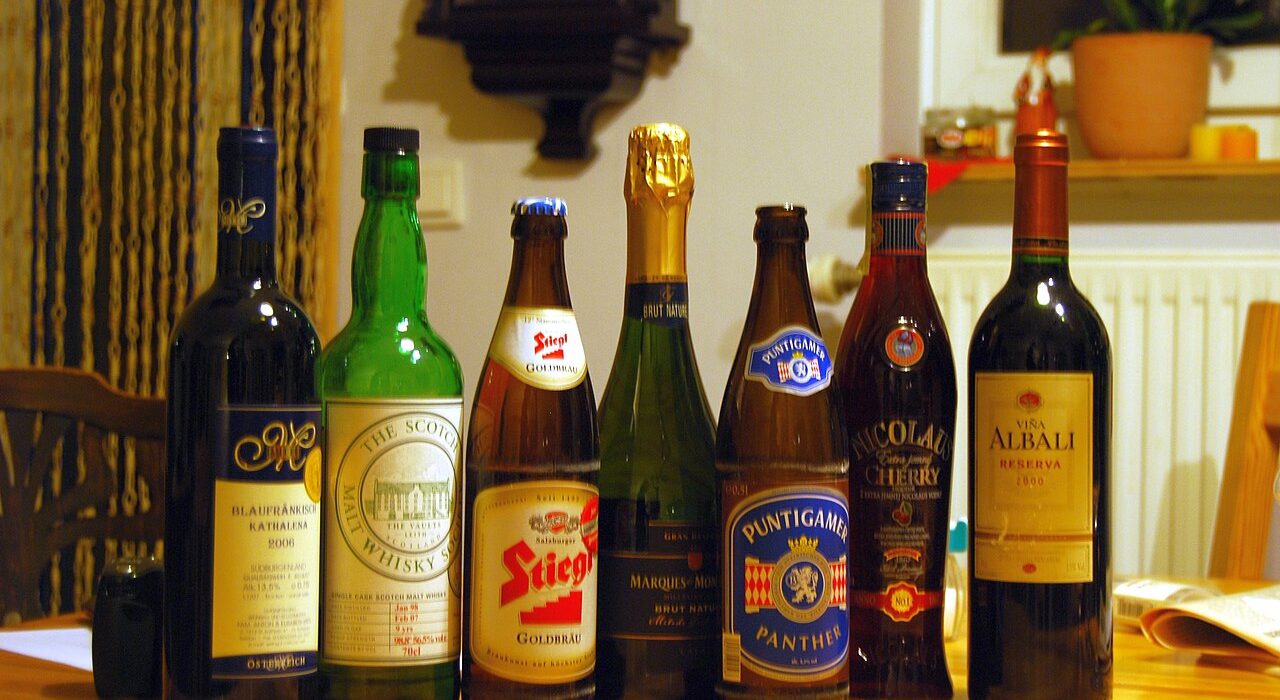
Expanding into global markets can be exciting for breweries, wineries, and spirit brands. However, one small mistake on a product label can delay shipments, trigger fines, or damage brand reputation. That’s why understanding How to Localize Alcohol Labels for Export Markets is essential for any alcohol producer planning international growth.
Localization goes beyond simple translation. It includes legal compliance, cultural adaptation, packaging design, and consumer communication. Every country has different alcohol labeling laws, language rules, and marketing expectations. A successful label must meet regulations while still appealing to local buyers.
Understanding Why Alcohol Label Localization Matters
Alcohol labels serve several important functions. They provide legal information, communicate brand identity, and influence purchasing decisions. In export markets, labels must balance compliance with cultural relevance.
A localized alcohol label helps brands:
- Build trust with international consumers
- Meet import regulations
- Reduce customs delays
- Improve shelf appeal
- Strengthen brand recognition
For example, a wine label designed for the United States may not work well in Japan or Germany. Language preferences, required warnings, and even bottle measurements can differ greatly.
Companies that invest in localization often gain a competitive advantage because consumers feel the product was created specifically for their market.
Key Legal Requirements for International Alcohol Labels
Every export destination has unique alcohol labeling laws. Before entering a market, businesses must study local regulations carefully.
Government Label Approval Processes
Some countries require labels to be approved before products can be sold. Authorities may review:
- Product classification
- Alcohol percentage
- Ingredient disclosures
- Health warnings
- Packaging claims
For example, the European Union has strict rules regarding allergen disclosure and geographical indications. Meanwhile, countries like Canada require bilingual labeling in English and French.
Ignoring approval procedures can result in rejected shipments or product recalls.
Mandatory Health Warning Statements
Many governments require health warnings on alcohol products. These warnings vary by country.
Examples may include:
- Pregnancy warnings
- Drinking age restrictions
- Responsible consumption reminders
- Driving impairment notices
The wording, font size, and placement often follow precise legal standards. Some countries even regulate colors and symbols used in warning sections.
Alcohol Content and Measurement Standards
Different markets use different units for alcohol measurement.
Common examples include:
| Region | Measurement Standard |
| United States | ABV percentage |
| European Union | % vol |
| Australia | Standard drink units |
| Japan | Metric volume system |
Even bottle sizes may need adjustment depending on local packaging traditions.
Researching Your Target Export Market
Market research is one of the most important steps in label localization.
Consumer Preferences and Buying Behavior
Consumers in different countries respond to different branding styles. Some markets prefer luxury-focused packaging, while others favor minimalist designs.
Research should include:
- Preferred packaging colors
- Popular label formats
- Buying motivations
- Price expectations
- Retail display trends
For example, premium whiskey labels in Asia often use gold accents because gold symbolizes wealth and prosperity.
Cultural Sensitivities and Symbolism
Images, words, or colors that work well in one culture may create negative reactions elsewhere.
Important localization checks include:
- Religious sensitivities
- Political symbolism
- Offensive translations
- Superstitions involving numbers or colors
A simple design oversight can create public relations problems in foreign markets.
Translating Alcohol Labels Accurately
Translation is a core part of localization, but direct translation alone is risky.
Avoiding Literal Translation Mistakes
Literal translations can confuse consumers or violate regulations. Marketing slogans may lose meaning when translated word-for-word.
For example:
- Humor may not translate effectively
- Idioms may sound awkward
- Product descriptions may become misleading
Instead, companies should focus on “transcreation,” which adapts the message while preserving the original brand tone.
Working With Professional Localization Experts
Professional translators with alcohol industry experience are extremely valuable. They understand:
- Regulatory terminology
- Packaging limitations
- Cultural nuances
- Legal language requirements
Using automated translation tools without expert review can create serious compliance risks.
Adapting Packaging Design for Regional Markets
Successful localization often requires design modifications.
Color Meanings Across Cultures
Colors carry different meanings worldwide.
| Color | Possible Cultural Meaning |
| Red | Luck in China, danger in some Western regions |
| White | Purity in Europe, mourning in some Asian countries |
| Gold | Wealth and prestige |
| Green | Nature or religious significance |
Brands should research local perceptions before finalizing label artwork.
Typography and Readability Standards
Some languages require larger text or different layouts. For example:
- Arabic reads right to left
- Chinese characters may need vertical spacing
- European regulations may require minimum font sizes
Readability is important not only for compliance but also for customer trust.
Label Elements Required in Most Countries
Although rules vary, several label elements are commonly required worldwide.
Ingredients and Allergen Information
Many countries now require ingredient transparency for alcohol products.
Common disclosures include:
- Sulfites in wine
- Gluten content
- Artificial flavorings
- Added sugars
Accurate allergen declarations help protect consumers and reduce liability risks.
Importer and Distributor Details
Export labels often need local contact information, including:
- Importer name
- Distributor address
- Country of origin
- Production facility information
These details assist regulators and consumers in identifying responsible parties.
Digital Compliance and QR Codes
Many alcohol brands now use QR codes to provide additional information.
QR codes can support:
- Ingredient transparency
- Sustainability details
- Brand storytelling
- Authentication systems
- Regulatory compliance pages
Digital labeling solutions also help brands update information without redesigning physical packaging completely.
For international labeling guidance, many exporters reference organizations like World Health Organization and local government trade agencies.
Common Mistakes in Alcohol Label Localization
Businesses frequently encounter avoidable problems when entering export markets.
Common mistakes include:
- Using machine translations without review
- Ignoring local health warning requirements
- Assuming one label works globally
- Failing to verify trademark availability
- Overlooking cultural sensitivities
- Using non-compliant font sizes
Even small errors can cause expensive delays at customs checkpoints.
Best Practices for Successful Global Alcohol Branding
To localize effectively, companies should follow a structured process.
Best practices include:
- Conducting regulatory audits
- Hiring native-language experts
- Testing labels with local consumers
- Creating market-specific packaging versions
- Maintaining a centralized compliance database
- Reviewing regulations regularly
Localization should be treated as an ongoing strategy rather than a one-time project.
Conclusion
Understanding How to Localize Alcohol Labels for Export Markets is critical for alcohol brands expanding internationally. Effective localization combines legal compliance, cultural understanding, accurate translation, and smart packaging design.
Companies that invest in proper label localization reduce risk while building stronger relationships with consumers worldwide. In today’s competitive alcohol industry, a well-localized label is more than packaging—it’s a gateway to global success.
FAQs
Why is alcohol label localization important?
Localization ensures labels comply with local laws while appealing to cultural preferences and consumer expectations.
Do all countries require alcohol warning labels?
No. Requirements vary significantly between countries, including wording, size, and placement rules.
Can one alcohol label work for every export market?
Usually not. Most export markets have unique legal and language requirements that require customized labels.
What is the biggest risk in poor label localization?
Non-compliance can lead to shipment rejection, legal penalties, or product recalls.
Should alcohol labels be professionally translated?
Yes. Professional translators help avoid legal mistakes, cultural misunderstandings, and inaccurate messaging.