

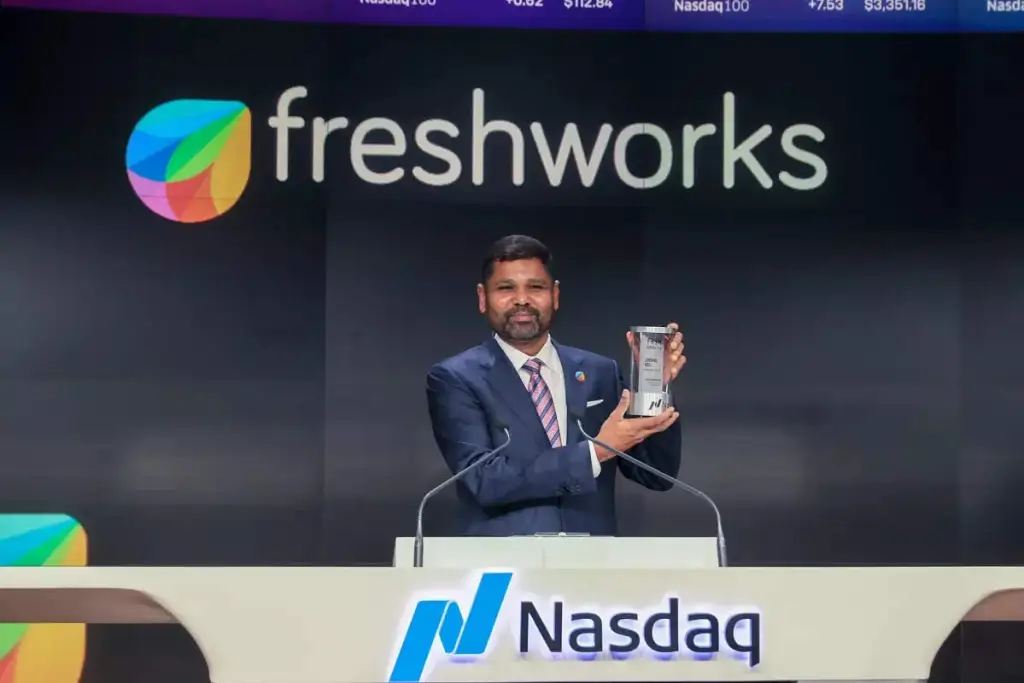
Tamil Nadu isn’t just known for cinema, literature, and temples—it’s quietly shaping the global SaaS revolution. Companies like Freshworks and Zoho have transformed from regional startups into worldwide tech powerhouses, serving millions of English-speaking users across 150+ countries. But here’s a secret most people overlook: their rise isn’t just because of engineering talent—it’s rooted in smart Tamil to English translation / localization strategies, especially in UI design and terminology.
Think about it. A Tamil-speaking developer might naturally name a dashboard feature using Tamil cognitive patterns, where verbs, hierarchy, and formality differ from English logic. Translators must convert these patterns into intuitive English UI labels without diluting meaning or confusing global users. They’re not just translating—they’re redesigning mental models. That requires linguistic sensitivity, UX psychology, and technical clarity.
This article breaks down how Tamil tech companies localize interfaces, terminology, and workflows for English audiences, what challenges they face, and the key localization practices that helped Zoho and Freshworks succeed globally. Consider this your crash course in Tamil-born UX globalism.
Why UI Localization Matters in Global SaaS
Tamil Sentence Structure vs English User Expectations
Tamil UI phrasing tends to be verb-driven and detailed. English prefers nouns and brevity. A Tamil prompt might read like an instruction manual, whereas English UI aims for a crisp, action-first tone.
Contextual Formality vs Neutral Tone
Tamil embeds respect and hierarchy in choice of words. English expects neutrality in B2B SaaS. Translators must neutralize tone without being rude or robotic.
Key Challenges Faced by Tamil SaaS Translators
Technical Terminology Without Direct Equivalents
Words like:
- Kanini (computer)
- Mattruthal (conversion)
don’t carry modern tech connotations. English offers broader, established vocab, and translators must choose terms aligned with global SaaS standards.
Cultural Cognitive Maps
Tamil UI designers often assume context—English users expect explicitness. For example, Tamil interfaces often rely on implied meaning through iconography, while English users need clear labels.
Verb-Centric Commands
Tamil often uses full sentences for actions. English UI expects short verbs like:
- Save
- Sync
- Edit
Translators must compress Tamil actions into crisp English labels.
Lessons From Freshworks
Lesson #1 — Simplifying Verb Density
Freshworks streamlined Tamil conceptual phrasing into concise English UI verbs. Instead of describing user actions, they framed UI in one-click mental shortcuts.
Lesson #2 — Avoiding Translation of Cultural Idioms
Tamil metaphors like “veedu kattina mathiri” (like building a house) used internally were replaced with universal tech metaphors such as “scale your team.”
Lesson #3 — Global Glossary Standardization
Freshworks built a terminology bank ensuring consistent usage of phrases like “agent”, “ticket”, and “workflow.”
Lessons From Zoho
Lesson #1 — Avoiding Tamil Cognitive Order
Zoho rewrote interface strings instead of translating them. They adapted logic, not just language.
Lesson #2 — UX Before Language
Zoho tested English UI elements with non-Indian users, refining terminology based on comprehension rather than Tamil intuition.
Lesson #3 — International Date, Currency, and Pluralization Rules
Tamil doesn’t pluralize terms like English. Zoho implemented localization frameworks that dynamically adjust plural forms, dates, and currency displays.
Best Practices for Tamil-English UI Localization
- Prioritize UX over literal translation
- Standardize terminology early
- Avoid idioms unless universally understood
- Test UI messaging with native English users
- Remove hierarchical language markers
Conclusion
The success of Freshworks and Zoho isn’t accidental; it’s engineered through thoughtful, user-first localization. Tamil-born developers think differently about instructions, politeness, and conceptual grouping, and those differences become strengths when strategically converted into intuitive English UI. Localization is not an afterthought—it’s a growth engine. The more Tamil SaaS companies master UI translation, the more global market share they unlock. If Tamil startups want to compete with Silicon Valley, they must continue refining UI terminology not just for accuracy, but for clarity, emotion, and universal accessibility.
FAQs
Why do Tamil tech companies struggle with English UI terms?
Because Tamil conceptualizes actions differently, leading to longer phrasing.
Do Zoho and Freshworks translate literally?
No—they redesign terminology for user comprehension.
Does Tamil grammar affect UI experience?
Yes, Tamil’s verb-oriented syntax influences UI phrasing choices.
Why avoid Tamil idioms in UI?
They confuse global users and add unnecessary cultural load.
Can AI handle UI localization?
Not fully. Human context is still critical for UX clarity.