

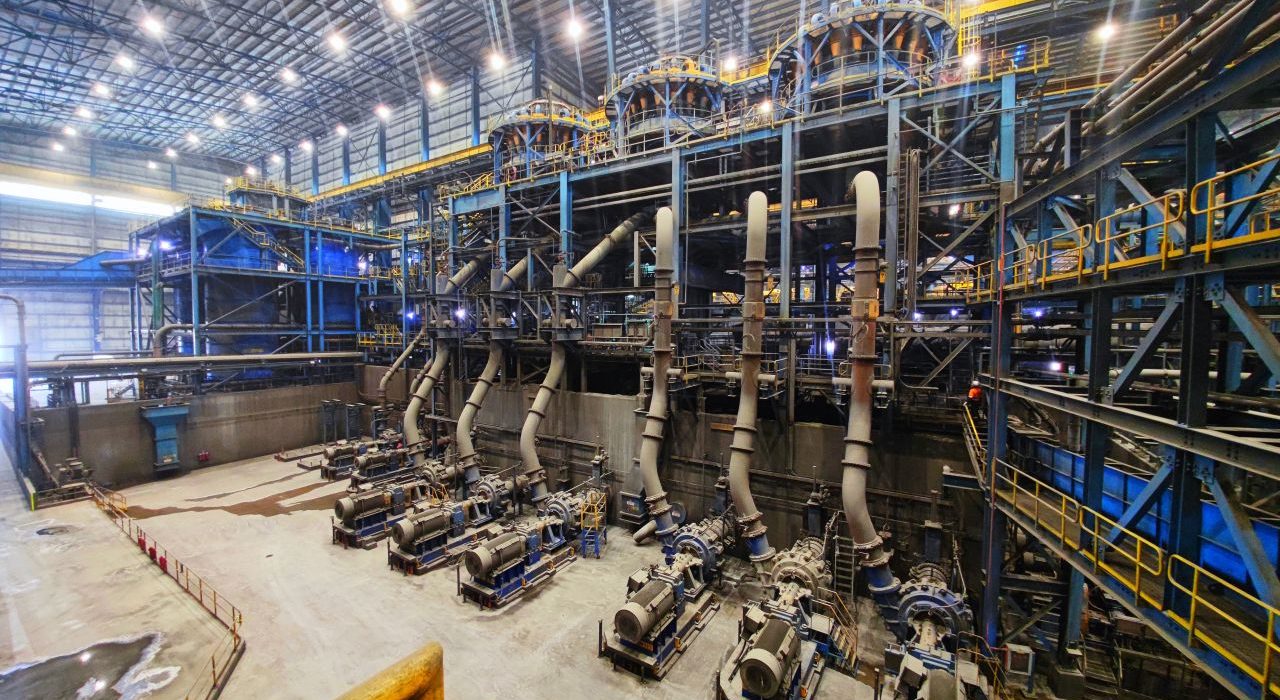
When Mongolia’s largest mining project speaks to the world, every word carries weight. Oyu Tolgoi isn’t just a copper and gold operation—it’s a global-facing enterprise reporting to investors, regulators, lenders, and international partners. Yet its public disclosures, sustainability reports, and regulatory filings exposed a quiet but costly problem: Mongolian-to-English translation doesn’t work without localization.
Many businesses assume document translation is enough. Translate the words, keep the structure, publish the report, move on. But global reporting doesn’t operate on literal meaning alone. It relies on clarity, cultural alignment, legal accuracy, and investor expectations. Oyu Tolgoi’s experience illustrates how even technically accurate translations can fail to communicate trust, intent, and accountability.
Why Oyu Tolgoi Is a Localization Case Study
Oyu Tolgoi operates at the intersection of:
- Mongolian governance
- International mining standards
- Western investor expectations
- ESG and sustainability reporting norms
This makes its English-language communications a stress test for localization quality. Every report must bridge not just language, but worldviews, legal traditions, and disclosure culture.
Challenge 1: Mongolian Formality Doesn’t Match English Investor Tone
Mongolian official writing favors:
- Deference
- Indirect responsibility
- Collective phrasing
English investor communications expect:
- Direct accountability
- Clear ownership of decisions
- Measurable outcomes
Literal translations often sound evasive in English, even when no evasion is intended. Phrases meant to show respect can appear vague or noncommittal to international readers.
Challenge 2: Passive Voice Weakens Accountability Signals
Mongolian reports frequently use passive constructions to emphasize process over blame. In English, excessive passive voice raises red flags for auditors and investors.
Statements that feel neutral in Mongolian may sound like risk avoidance in English, especially in:
- Environmental disclosures
- Compliance reporting
- Risk assessments
Localization requires active restructuring, not word-for-word conversion.
Challenge 3: ESG Concepts Don’t Map Cleanly Across Languages
Terms related to:
- Environmental stewardship
- Community responsibility
- Long-term land use
Often exist in Mongolian as culturally grounded concepts rather than standardized ESG metrics. Direct translation fails to align with how global investors interpret sustainability commitments.
This is where transcreation, not document translation, becomes essential.
Challenge 4: Legal and Regulatory Language Loses Precision
Mongolian regulatory references assume local legal literacy. English readers don’t share that context.
Translated documents often:
- Omit implied legal boundaries
- Blur distinctions between obligations and intentions
- Misrepresent compliance status
Accurate Mongolian-to-English localization requires legal-aware translators who understand both jurisdictions, not just the language.
Challenge 5: Cultural Risk Framing Doesn’t Translate
In Mongolian reporting, risks are often framed as external or systemic realities. English investors expect explicit mitigation strategies.
A literal translation might describe a risk clearly but fail to answer the investor’s real question: What are you doing about it?
Localization means adapting the risk narrative, not just the risk description.
Challenge 6: English Readers Expect Narrative Structure
Mongolian reports are often structured around:
- Institutional hierarchy
- Chronological decisions
- Collective outcomes
English reports prioritize:
- Executive summaries
- Clear narrative flow
- Reader-centric organization
Without localization, even accurate translations feel dense and inaccessible.
Why This Matters for Businesses Entering Mongolia
If a project as large as Oyu Tolgoi can struggle with localization, smaller companies are even more vulnerable.
Poor Mongolian-to-English localization can:
- Undermine investor confidence
- Delay approvals
- Increase perceived risk
- Trigger costly clarifications
This applies not just to mining, but energy, infrastructure, fintech, and development projects.
How Proper Localization Solves These Issues
Effective localization combines:
- Document translation for accuracy
- Transcreation for intent
- Website translation for credibility
- Industry-specific expertise
It ensures English readers receive the same clarity and confidence as Mongolian stakeholders.
Conclusion
Oyu Tolgoi’s global reporting experience highlights a hard truth: accurate translation is not the same as effective communication. Mongolian-to-English localization requires rethinking tone, structure, legal clarity, and cultural framing—not just swapping words.
For businesses entering Mongolian markets, this isn’t optional. Investors, partners, and regulators judge credibility based on how well you speak their language, not just English. Localization bridges that gap by aligning meaning, expectations, and trust.
If your reports, websites, or contracts are still relying on literal document translation, you’re leaving confidence on the table. Invest in localization early—and let your message travel as far as your ambition.
FAQs
- Why is Mongolian-to-English localization harder than expected?
Because Mongolian formal, legal, and cultural structures don’t align directly with English business norms. - Is document translation enough for investor reporting?
No. Investor-facing content requires localization and often transcreation to meet disclosure expectations. - What industries face the highest localization risk?
Mining, energy, infrastructure, NGOs, and government-linked projects face the greatest scrutiny. - How does localization affect ESG reporting?
It ensures sustainability claims are interpreted correctly under international ESG frameworks. - When should businesses invest in localization?
Before publishing any investor-facing or regulatory-facing English content.