

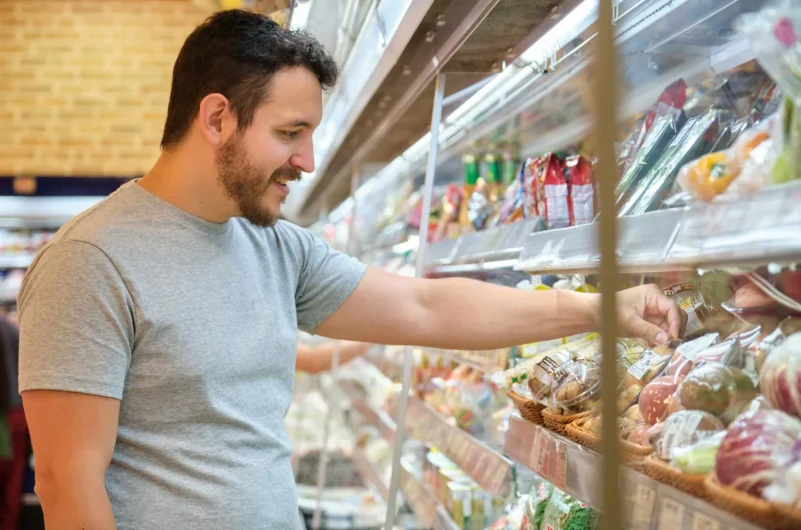
Ingredient panels have quietly become one of the most influential trust signals in global food retail. For brands, accurate ingredient list translation isn’t just a compliance task; it’s the point where regulatory risk, consumer safety, and brand credibility collide. When labels cross borders, especially under FDA, EU, and Codex requirements, every comma, allergen term, and compound ingredient description is effectively a public declaration of data integrity.
On-pack accuracy is where your formulation data stops being an internal record and becomes a promise consumers can hold you to.
Why accurate ingredient list translation is a trust engine
Trust is rarely built by front-of-pack claims; it’s earned when consumers realize that what’s printed on the back consistently matches their expectations and constraints. Accurate ingredient list translation reduces interpretive guesswork for parents managing allergens, shoppers avoiding animal-derived ingredients, or consumers tracking sodium and sugar across brands. When terminology is consistent with local regulatory vocabularies, retailers and regulators see an operation that’s in control, not improvising under time pressure.
Regulation, allergens, and the hidden cost of weak workflows
Most labeling failures don’t stem from linguists making obvious mistakes; they emerge from brittle workflows and unmanaged data. Undeclared allergens in the US, EU, and markets like Canada often trace back to outdated specs, conflicting spreadsheets, and last‑minute pack changes handled outside a controlled system. Mature teams treat regulated food packaging translation as structured data governance, not desktop publishing, with clear ownership across regulatory, QA, and localization.
From transactional translation to strategic data asset
The pivotal question for global brands is simple: can you prove that every SKU on shelf says exactly what’s in the pack, in every market language? That requires more than culinary language services or hospitality-focused language solutions; it demands integrated systems where PLM or ERP exports flow cleanly into translation, and termbases lock down allergens, additive classes, and sensitive claims. Food & Beverage Translation teams working this way behave less like vendors and more like an extension of regulatory operations.
Leading manufacturers pair professional food label linguists with regulatory specialists, then layer in tooling that flags inconsistent allergen phrasing or unapproved nutrition claims before artwork hits pre-press. In practice, that means clearly defined ownership for ingredient list changes, test runs for new country launches, and tight coordination with printers when timelines slip. It’s also where food industry translation solutions, specialized culinary translation, and end-to-end food translation services differentiate themselves from low-cost providers relying on generic workflows.
Forward-looking brands are starting to align restaurant menu localization, multilingual menu engineering, and global restaurant content adaptation with their pack copy operations, supported by cross-border menu localization support under a single governance model. While packaging is the highest-stakes environment, shared termbases and approvals reduce risk across channels, from QR-linked recipes to in-app allergen disclosures. For leadership teams, the practical next step is an honest audit: where ingredient lists are still copy-pasted, where sign-off is informal, and where regulated content relies on email threads instead of structured workflows.
If your labels are still treated as artwork rather than controlled data, now’s the time to recalibrate. Start by mapping who owns each decision from formulation change to printed pack, then involve your language partners in that governance model, not just at the briefing stage. Treat ingredient list translation as an operational risk domain and you’ll spend less time firefighting recalls—and more time being the brand consumers quietly trust. To stress-test your current approach, convene a cross-functional review and ask one question: would this process still work if a regulator picked any SKU at random?