

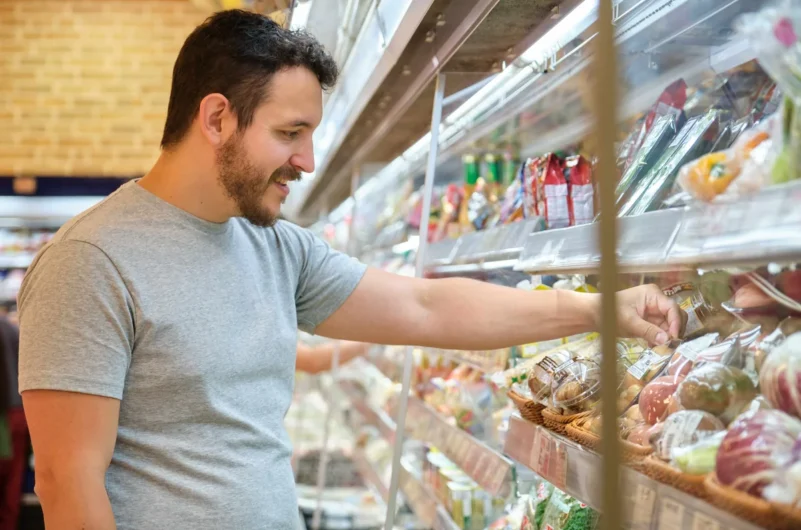
Food brands expanding across borders quickly discover that food safety paperwork can become a liability rather than an asset. Expert Food Safety Documentation Translation helps keep HACCP plans, supplier approvals, and recall procedures aligned across languages so audits, import checks, and customer complaints don’t spiral into recalls or litigation. For US-based teams working with co-packers in Europe or Southeast Asia, getting this right is now as critical as any kill step.
1. Aligning with FDA, USDA, and global regulators
Regulators don’t care that a requirement was “lost in translation.” HACCP plans, FSMA Preventive Controls, and sanitation SOPs need to match terminology used by the FDA, USDA, CFIA, EFSA, and local authorities. Generalist linguists often mis-handle modal verbs, risk categories, or prerequisite programs. Specialist teams with regulatory-focused food translation expertise keep wording consistent with Codex, GFSI schemes, and local labeling rules, reducing the chance that different plants present conflicting versions of the “same” program during multi-site audits.
2. Closing weak points in cross-border supply chains
Every translated spec sheet or co-manufacturing agreement is a potential failure point. A single mistranslated storage temperature, aw limit, or allergen statement can push an entire lot out of compliance in another market. Experienced food industry translation solutions providers maintain shared termbases for allergens, shelf-life conditions, and CCP limits so ingredient spec updates in the US cascade cleanly to plants in Thailand, Vietnam, or Poland. That reduces rework and “clarification” email chains that slow releases.
3. Making HACCP and SOPs usable on the factory floor
A HACCP plan that only QA managers can understand is useless at the line. Line workers read cleaning schedules, metal detector checks, and corrective action instructions in their working language, not the original English. Teams using specialized culinary translation approaches focus on plain, operational wording and pilot translations with in-country reviewers. The goal isn’t pretty prose; it’s operators knowing exactly when to record fryer temperatures and which pallets to quarantine when a deviation hits.
4. Preventing mislabeling and allergen recalls
Most allergen-related recalls trace back to gaps between specs, artwork, and final labels. Cross-border food labeling translation errors around compound ingredients, “may contain” statements, or preparation instructions can create silent risk. Reliable food sector language support keeps ingredient decks, QUID data, and storage claims synchronized across markets, including tricky exceptions like sesame or lupin. When your design agency in another time zone tweaks packaging, your language partner should be able to flag when that change affects regulated text.
5. Keeping multi-site certifications aligned
Global brands running integrated GFSI or FSSC 22000 systems can’t afford every plant to improvise its own translations. Without centralized workflows, you end up with five versions of the same allergen control program in three languages. Structured culinary language services with version control and translation memories mean corporate QA updates a standard once, then ships audited, localized versions to each facility. That consistency matters when a certification body compares documents from your US, Mexican, and Malaysian sites.
- You’re seeing auditors question terminology differences between sites or languages.
- Plants are quietly creating their own translations of CCPs and sanitation procedures.
- Label or artwork errors keep tracing back to misunderstood specs from overseas suppliers.
- Your team spends more time editing translations than managing actual food safety risk.
- New market launches stall because regulatory text and multilingual restaurant content can’t be cleared in time.
Once those signs appear, ad hoc fixes won’t scale. Partnering with a Food & Beverage Translation specialist gives you a single point of control for restaurant menu localization, hospitality menu language solutions, global menu adaptation services, and professional restaurant copy translation alongside your core safety documentation. If you’re ready to cut translation risk before your next audit or market launch, book a short consultation with our team to review your current files and map a realistic, staged remediation plan.