

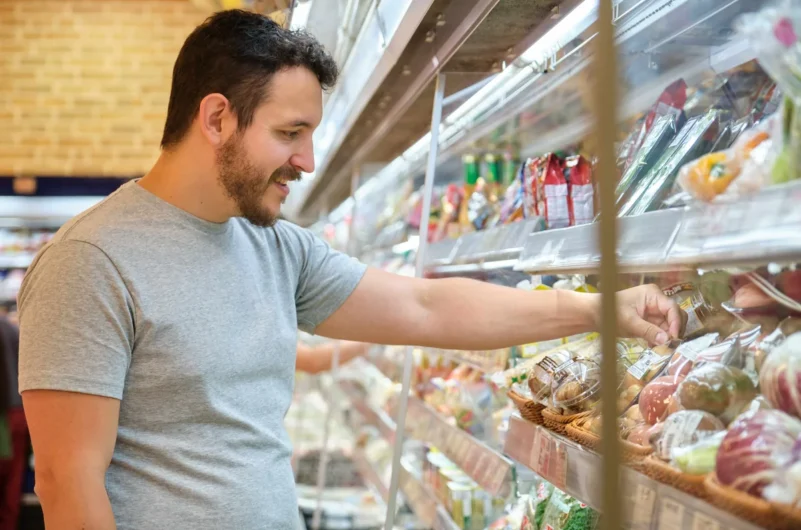
Food Label Localization: Strategies for Global Market Success
When labels feel native to the shelf they’re on, shoppers trust the brand behind them.
Why Food Label Localization builds trust with global shoppers
Food Label Localization is ultimately about trust, not just compliance. When a shopper in the US, the EU, or Southeast Asia scans a pack, they’re making fast decisions based on nutrition, allergens, and origin. If the label looks like a clumsy overlay or partial translation, they’ll question what else might be wrong. Brands that invest in precise terminology, clear hierarchy, and consistent formatting send a different message: we know your market, and we respect your safety standards.
That trust extends beyond consumers to retailers, importers, and regulators who are held accountable for what reaches the shelf. A buyer reviewing your range wants to see FDA-ready Nutrition Facts, EU-compliant tables, or accurate ASEAN allergen wording without needing to fix anything themselves. Professional Food & Beverage Translation and regulatory-safe packaging translation show you’ve done the homework before the product ships, which reduces friction in every approval step.
How expert teams reduce risk and uncertainty
Serious exporters don’t rely on generic culinary language services or ad hoc freelancers for mission-critical labels. They expect a defined workflow: regulatory scoping for each target country, ingredient and additive glossary alignment, translation by native specialists, and independent QA against current legislation. This is where specialized culinary translation pays off, because a mistranslated allergen or storage instruction isn’t just embarrassing; it can trigger recalls, seizures at customs, or retailer de-listings.
A good provider is transparent about constraints: grey areas in origin labeling, tight print deadlines, and the need for client-side legal signoff. Instead of promising perfection, they explain how cross-border food labeling support, nutrition and allergen wording localization, and structured checks cut the likelihood of costly surprises. You should see clear timelines, version control across SKUs, and realistic escalation paths when regulations shift mid-project.
Designing packaging that’s flexible, compliant, and credible
Trust also comes from packaging that looks intentionally designed for each market, not patched together. Many brands start with a global master artwork that reserves space for region-specific data panels and localized food label content. That approach helps avoid last-minute font shrinkage, cropped warnings, or panels that fail minimum size rules in markets like the US or EU. For Southeast Asia, teams plan for scripts, bilingual layouts, and front-of-pack schemes that are being phased in country by country.
On the operations side, you want partners who understand print runs, plate changes, and how restaurant menu localization or multilingual menu copywriting interacts with your broader global restaurant content strategy. The same discipline that delivers food industry translation solutions for hospitality-focused language solutions should support your labels: consistent terminology, readable hierarchy, and layouts that survive real production constraints, not just pretty PDFs.
When you work with a team that treats Food Label Localization as a regulated, high-stakes process rather than a translation afterthought, you gain predictability. You know what information they’ll need, how many review rounds to expect, and where your legal and marketing teams plug into the workflow. If you’re ready to reduce uncertainty around your next export launch or rebrand, talk with our specialists about end-to-end Food & Beverage Translation support so you can move into new markets with far greater confidence.