

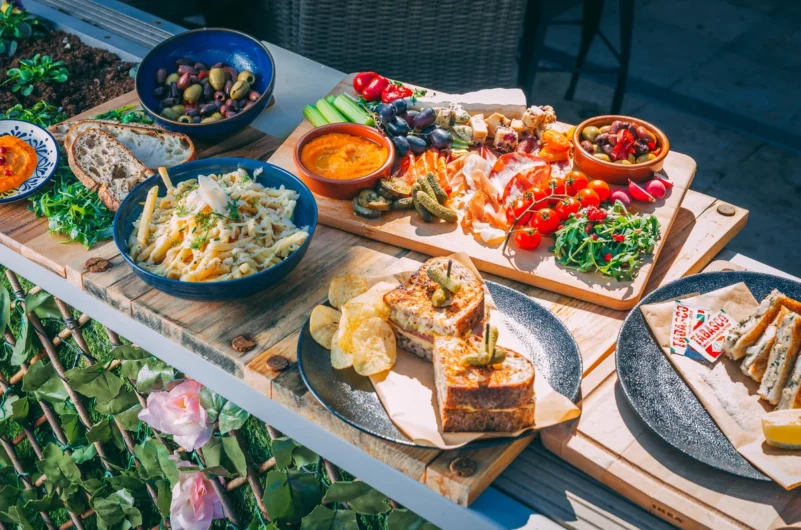
Food and beverage brands entering new markets in 2025–2026 face a sharper focus on compliance, multilingual packaging, and consistent messaging across channels. Food & Beverage Translation now underpins how labels, menus, and digital touchpoints communicate safety, allergens, and nutrition data. As regulators tighten rules and consumers scrutinize claims, translation workflows need to be faster, more accurate, and better aligned with legal review.
Why translation demands are changing for food and beverage brands
Modern culinary language services extend far beyond packaging and printed menus. Brands must keep ecommerce listings, delivery apps, QR menus, and social posts aligned with the same source data and regulatory constraints. Under laws such as the FDA’s Food Allergen Labeling and Consumer Protection Act, even a small mistranslation of ingredients or storage instructions can trigger recalls or consumer complaints. This pressure is amplified by constant product refreshes, seasonal ranges, and regional variants that require continuous updates rather than one-off projects.
Balancing AI, risk, and human expertise
Neural machine translation is now a standard tool, but treating it as a universal fix is risky. Many teams route high-volume, low-risk text such as internal training content and basic catalogue data through MT with light human editing. Anything involving allergens, health claims, or legal wording is usually reserved for specialist food industry translation solutions. A pragmatic 2026 model combines MT, terminology management, and translation memories with expert reviewers who understand both linguistic nuance and regulatory exposure.
For high-risk content, the cost of an extra review round is almost always lower than the cost of a labelling incident, public warning, or brand-damaging social media backlash.
Regulatory-grade accuracy also means aligning foreign-language labels with multiple rule sets at once. A US brand exporting to the EU, for instance, must reconcile FDA nutrition panel practices with EU allergen highlighting and approved nutrition claims. That’s where specialized food label linguists and legal teams collaborate on controlled phrasing for statements such as “low sugar”, “no added salt”, or “plant-based”. Clear playbooks reduce inconsistent wording across markets and cut the time spent in back-and-forth compliance review cycles.
ESG claims, menus, and omnichannel complexity
ESG-driven messaging adds another layer of risk. Claims like “carbon-neutral”, “regeneratively grown”, or “upcycled ingredients” don’t always map cleanly across languages. Without careful scoping, translations can either oversell the claim or soften it to the point of being meaningless. Many brands now treat ESG wording as controlled terminology, documenting evidence-backed definitions and using hospitality-focused language solutions to keep explanations consistent on-pack, on menus, and online.
Menus and ordering interfaces bring their own operational challenges. Restaurant menu localization must account for character limits in app UI, truncation in POS systems, and space constraints on physical signage. When a recipe changes, teams need regulatory-ready menu translations that update allergens across QR codes, delivery platforms, and in-venue menus at the same time. Central content repositories, version control, and clear ownership for approvals become just as important as pure linguistic quality.
Planning your 2026 localisation strategy
An effective approach for international food brand localization starts with mapping content by risk, channel, and regulatory impact. High-risk elements such as ingredient lists, preparation instructions, and nutritional tables should follow structured workflows with specialist linguists, QA, and legal signoff. Medium-risk marketing copy often suits a hybrid model with MT, in-market review, and glossaries covering ESG terms and health-related messaging.
Lower-risk internal documentation can use lighter processes, but it still benefits from global culinary translation support and shared terminology. Brands seeking end-to-end food packaging translation or compliant beverage label translation should ask vendors about allergen terminology management, escalation paths for regulatory questions, and experience with multilingual restaurant menu design. Thoughtful use of global hospitality and restaurant-focused support keeps operations realistic about turnaround times, especially when last-minute menu changes collide with public holidays or limited reviewer availability.
If you’re reassessing translation workflows for 2026 and beyond, start by inventorying your content, classifying risk levels, and documenting who signs off on which elements. From there, define where automation helps, where specialist review is non-negotiable, and how Food & Beverage Translation integrates into your wider product launch process. With a clearer map of risks and responsibilities, you’ll be better placed to ask the right questions, brief language partners effectively, and protect both consumers and your brand as you enter new markets.