

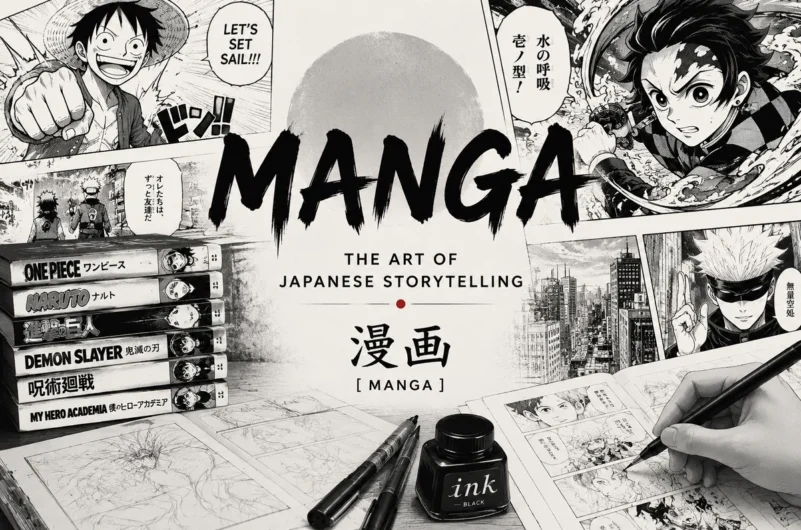
Exploring the World of Multilingual Manga Translation has exposed a quiet structural problem for publishers racing to serve English, Spanish, French, and Southeast Asian readers at the same time. The ambition to go global is colliding with limited translator capacity, brittle production pipelines, and mobile-first reading habits. For many houses, the warning signs aren’t obvious until reader engagement slides across platforms like Manga Plus, Comixology, and Webtoon.
When scale collides with limited translation capacity
The first stress point is throughput. To hit simultaneous release dates, production teams split chapters across multiple low-cost vendors and hope shared glossaries will smooth things over. In reality, character voice drifts from chapter to chapter, speech levels flatten, and tonal nuance disappears. This is where Japanese Manga Translation often becomes a production checkbox rather than a craft decision, with little time left for real editing or back‑reading across volumes.
Visual constraints: bubbles, SFX, and mobile readers
On phones and tablets, cramped bubbles designed for compact Japanese are unforgiving. When English, French, or Thai dialogue runs long, rushed lettering passes squeeze text until line breaks become unreadable and balloon tails obscure key art. A weak manga lettering and SFX strategy can undo otherwise careful scripting, especially when reused sound-effects fonts and copy‑paste assets are pushed across unrelated titles. Readers rarely articulate this as a “localization problem”; they just decide a series feels cheap and move on.
There’s also a tactical dilemma around SFX: retain the original, replace it, or layer translations on top. Teams without clear manga localization services guidelines default to inconsistent compromises from volume to volume. Letterers send repeated queries about whether to touch handwritten FX or motion blur, while schedulers fight to keep files moving. When this happens on every series, it’s not a one‑off issue; it’s a systemic workflow gap that erodes trust with artists and readers alike.
How context gets stripped out across languages
Honorifics, regional slang, and social distance markers are easy targets when deadlines bite. To simplify multilingual comic book workflows, coordinators sometimes insist on “neutral” English, Spanish, or Bahasa that can be back‑adapted into other markets. The result is flattened dialogue where classmates, rivals, and seniors all sound interchangeable. This undermines cross-cultural comic storytelling and creates confusion once anime adaptations, game tie‑ins, and merchandise start locking in official names and titles.
Pipeline red flags publishers tend to ignore
Editors often see the cracks first. They quietly rewrite gags that no longer land, patch relationship beats that don’t match the art, or standardize attack names that shifted mid‑arc. When style sheets balloon and still fail to prevent drift, it’s a sign that professional manga localization workflows have been replaced by ad‑hoc fixes. At the same time, QC teams notice rising volumes of “minor” corrections: punctuation clean‑up, inconsistent name order, and mismatched speech registers between siblings or teammates.
These aren’t just cosmetic issues. Naming inconsistencies and tone mismatches complicate rights management and approvals for licensors in Japan, especially once overseas partners start quoting chapters using different terminology. Editorial teams looking for comic book translation tips quickly realize there’s no shortcut when upstream scripts are unstable. The temptation is to rely more heavily on machine output, but that often breaks humor timing and localizing anime-style dialogue, particularly in shoujo, gag, or slice‑of‑life titles where subtext carries the emotional load.
Why tooling helps, but judgment decides quality
Product managers sometimes hope translation memories, glossaries, and machine‑assisted drafts will rescue tight schedules. Those tools are useful for repeated terminology, recap pages, and corporate announcements inside the story world. They’re far weaker for anime translation techniques that need rhythm, punchlines, or regional flavor. Even the best practices for manga translators stress that voice and comedic timing are human decisions that can’t be automated without visible degradation for loyal readers.
Recognizing when you need deeper expertise
When every new serial requires bespoke rules for page composition, character speech, and global-ready webtoon adaptation, it’s a sign your processes aren’t mature yet. Teams chasing publisher-ready manga translation quality need to step back and audit where errors originate: briefing, translation, editing, lettering, or last‑mile platform formatting. If your staff are spending more time firefighting than planning, it may be time to bring in specialists familiar with multilingual comic book workflows and the realities of weekly or fortnightly release pressure.
If any of these patterns sound familiar—chronic last‑minute fixes, inconsistent voices across markets, or growing reader apathy—treat them as early warnings, not annoyances. Assess your current pipeline honestly, talk with an expert who’s worked across formats and territories, and map where your process is weakest before the cost of rework and lost readers climbs higher with every chapter.