

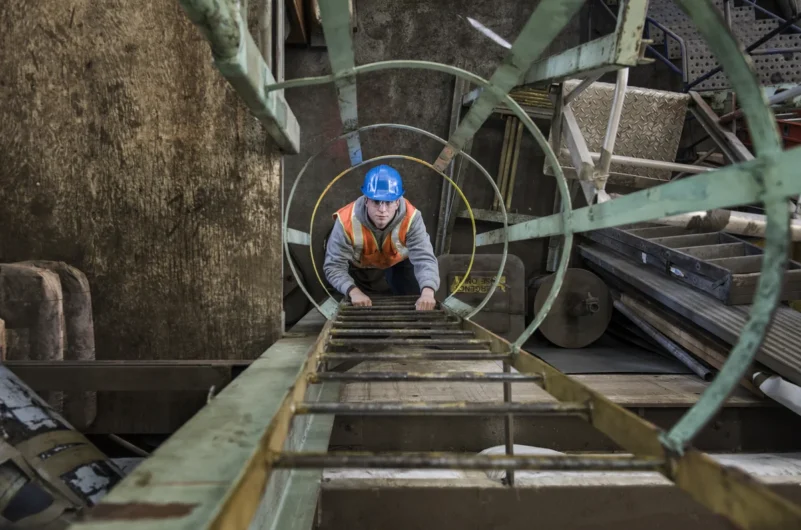
Effective multilingual communication in mining workforces has become a safety and productivity issue rather than a nice-to-have. Sites across North America and Southeast Asia are finding that English-only briefings don’t reach large segments of cross‑border and migrant crews. When procedures, radio calls, or lockout instructions aren’t fully understood, near misses rise and investigations become harder to close. That’s pushing operators to look seriously at structured language solutions for mining instead of ad hoc fixes.
Mining Translation as the backbone of written safety content
The core requirement is accurate, repeatable coverage for critical documents, and that’s where Mining Translation comes in. Specialist providers handle safety manuals, SOPs, tag board rules, JSA templates, and contractor onboarding packs using linguists who work daily with mining industry terminology. That expertise matters when translating geotechnical reports, flotation circuits, or paste fill procedures, where a single ambiguous verb can change how a task is executed. Strong programs maintain glossaries that protect specialised mining vocabulary across English, Spanish, Tagalog, Bahasa Indonesia, and local languages, reducing rework and argument over “what the procedure really meant.”
When only human specialists are acceptable
For high-liability or high-emotion communication, operators typically insist on human technical translation services and trained interpreters. Incident reports, disciplinary interviews, and regulator-facing incident summaries rely on nuance, especially where blame, intent, or non-compliance are being assessed. Using bilingual supervisors as interpreters might look efficient, but it often undermines trust during investigations and can skew what’s said under pressure. Dedicated interpreters with technical mining language support can separate the language problem from the supervisory power dynamic, which tends to produce clearer statements and fewer disputes about what was actually communicated on the day.
Where technology can help without increasing risk
Machine tools and mobile apps now cover low-stakes, everyday chatter reasonably well, from shift swap notes to cafeteria messages and non-critical HR updates. They struggle, however, with precision technical terminology for resources, branded reagents, or locally coined slang used underground or in the plant. Many operators have settled on hybrid models: central teams manage mining documentation language services and curated translation memories for formal content, while allowing trusted apps for informal conversations. Guardrails typically specify which message types can use automation and which must go through engineering-focused mining translations or human review before release to crews.
- Clarify which documents are safety‑critical and always require human translation or interpreting.
- Map workforce languages, literacy levels, and preferred briefing formats for each site and contractor group.
- Define a governance rule set for machine translation, including banned use cases and escalation paths.
- Maintain terminology glossaries that anchor industry-specific translation for miners across projects and regions.
- Schedule periodic comprehension spot checks as part of HSE audits to verify workforce language solutions in resources are working.
Choosing the right mix starts with practical constraints: capex timing, union expectations, regulator scrutiny, and how frequently crews turn over. Open‑pit operations with rotating international contractors may lean on multilingual communication in mining through brief video modules and tightly translated permit-to-work forms, while underground mines prioritize concise radio phrase lists and face‑to‑face interpreting for safety stand‑downs. Where budgets are stretched, operators often stage implementation, starting with incident-critical documents, then expanding into broader technical translation services as results justify spend. If you’re weighing options, a short consultation with a provider experienced in industry-specific translation for miners can quickly clarify what’s realistic for your risk profile and timeline.