

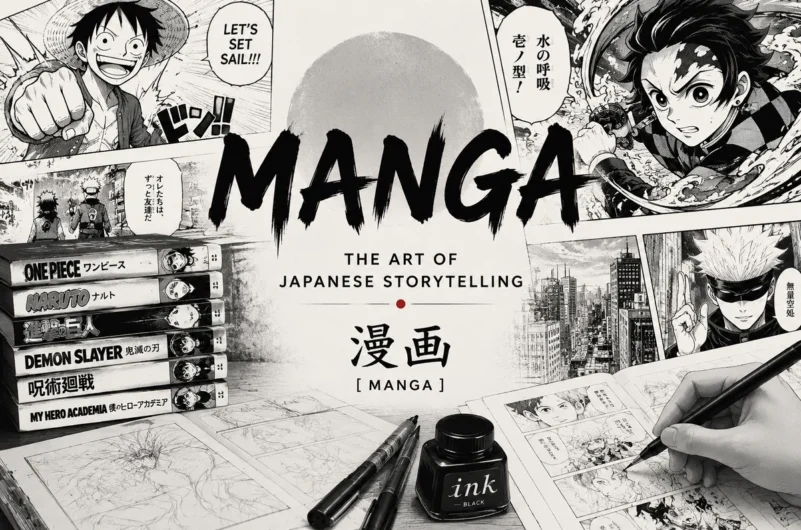
Effective strategies for manga proofreading and QA are no longer a nice-to-have for publishers handling tight weekly schedules and digital-first releases. As English-language readership grows across North America and Southeast Asia, teams are looking for predictable ways to catch linguistic slips, visual clashes, and continuity errors before a chapter goes live. The most sustainable approach is to view QA as a structured service layer, not a rushed final spellcheck, with clear responsibilities and documented review stages.
Building a practical QA workflow for serial manga
A workable manga QA pipeline usually separates translation, editing, lettering, and a cold read, with each stage owning a specific checklist rather than vaguely “fixing everything.” Teams that rely on Japanese Manga Translation for multiple series often maintain cross-language manga style guides covering name order, register, profanity, and treatment of signs. That documentation reduces arguments and lets new staff onboard quickly. For ongoing series, it’s worth treating the style guide as a live product asset, updated after every major arc or staff change.
Balancing language accuracy with cultural nuance
The toughest calls rarely involve typos; they involve tone. Translators may reach for anime translation techniques to handle speech quirks, but QA editors need to decide how much roughness to keep when a character flips from keigo to casual abuse in one panel. Manga localization services aimed at global platforms often prefer restrained adaptation, leaving honorifics in place while smoothing sentence rhythm for mobile reading. Where a joke depends on wordplay, a short marginal note can be less intrusive than flattening the gag into something generic.
Visual checks and lettering quality control
Visual QA focuses on how text, balloons, and artwork interact on the page. Letterers working on localized comic book lettering must manage balloon padding, line breaks, and font hierarchy so that emphasis and timing still match the original. On action-heavy spreads, poor balloon fitting can crush blacks or obscure weapons and key expressions. It’s wise to test pages on both a tablet and a mid-range phone, since cramped vertical-scrolling apps expose issues that never appeared on a 27-inch monitor.
- Use editorial checklists for manga localization at each stage: translation, edit, lettering, QA.
- Document recurring choices in professional manga localization workflows to avoid per-chapter debates.
- Apply comic book translation tips for sound effects, deciding when to overlay, replace, or caption.
- Schedule one cold reader who hasn’t seen the script to catch missing bubbles and continuity slips.
- Flag pages needing global-ready comic script adaptation early, especially when signage drives the plot.
Different solution setups suit different teams. Small studios often rely on one senior editor to enforce best practices for manga QA, while larger publishers build pods with specialists for advanced anime dialogue translation, culturally accurate anime subtitles in tie-in material, and print-vs-digital checks. The trade-off is speed versus coverage; more eyes mean better catch rates but longer approval chains. If your team is juggling multiple serials, it’s worth mapping where errors usually originate and deciding whether extra QA effort belongs at translation, lettering, or final sign-off.