

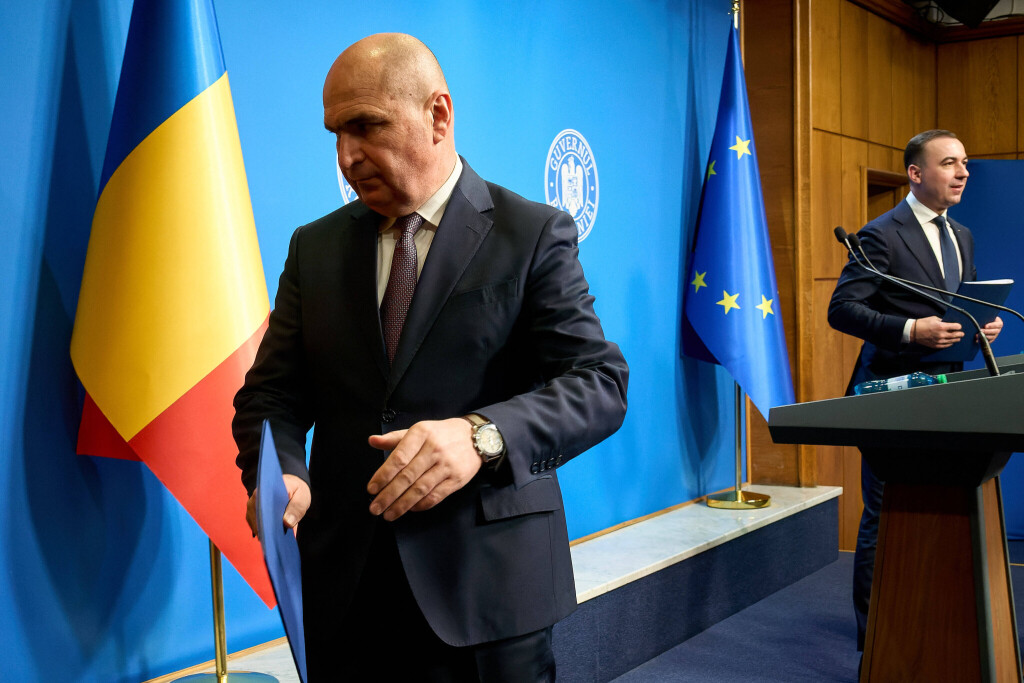
Press briefings move fast. A spokesperson speaks, journalists ask questions, cameras roll, and the public waits for clear information. In multilingual settings, every second matters because the message is not only being delivered; it is being interpreted in real time. When Romanian and English audiences are involved, live interpretation can shape how people understand announcements, policies, emergencies, corporate updates, legal developments, or public statements. One missed phrase can create confusion. One wrong tone can shift public reaction.
For businesses, government agencies, universities, NGOs, healthcare organizations, and international institutions, Romanian–English interpretation during press briefings is not just a language service. It is part of public messaging strategy. The interpreter helps carry the message across languages while preserving accuracy, urgency, and credibility. When interpretation works well, audiences receive the same core message at the same time. When it fails, rumors, misquotes, and misunderstandings can spread faster than the briefing itself.
Why Press Briefings Require Real-Time Language Precision
Press briefings are high-pressure communication events. Speakers may discuss sensitive topics such as policy changes, company crises, public safety, legal disputes, financial updates, health advisories, or community concerns. The language used is often carefully chosen. A spokesperson may say “investigation is ongoing” instead of “responsibility has been determined.” That distinction matters.
In Romanian–English interpretation, the interpreter must understand not only the words but also the implication behind them. A phrase that sounds neutral in English may sound defensive in Romanian if handled poorly. A Romanian statement may include formal or diplomatic wording that needs to be carried into English without becoming vague. Real-time interpretation protects the message from distortion while allowing audiences to follow the briefing as it happens.
How Live Interpretation Shapes Public Trust
People trust messages they can understand. If Romanian-speaking audiences receive delayed, incomplete, or confusing information while English-speaking audiences get clear updates, trust can weaken. The same applies in reverse. Language access signals whether an organization takes all audiences seriously.
During press briefings, live interpretation shows that communication is not reserved for one language group. It helps journalists ask better questions, helps the public understand key points, and reduces the risk of unofficial summaries becoming the main source of information. In situations involving public concern, trust is fragile. Clear interpretation helps keep the message steady instead of letting confusion fill the gaps.
The Risk of Misinterpretation in Public Messaging
A small interpretation error can have a large public impact. If an interpreter softens a warning, the audience may not understand the urgency. If a phrase sounds more alarming than intended, panic or backlash may follow. If a technical term is interpreted incorrectly, journalists may report the wrong detail. Press briefings are not private meetings where errors can be quietly corrected later. They are public records in motion.
Romanian–English interpretation must therefore be accurate, controlled, and context-aware. This is especially important when briefings involve legal matters, public health, financial performance, workplace incidents, political communication, or international relations. The interpreter must avoid guessing, over-explaining, or adding personal interpretation. The message must remain faithful to the speaker while still sounding natural in the target language.
Why Preparation Matters Before a Live Briefing
Live interpretation may happen in real time, but good results begin before the briefing starts. Interpreters need access to background materials, speaker names, technical terms, organizational titles, acronyms, and key talking points whenever possible. Even a short glossary can reduce errors during the live event.
For Romanian–English briefings, preparation is especially helpful when the topic involves industry-specific vocabulary. A healthcare briefing may include medical terms. A corporate briefing may discuss earnings, compliance, or operational changes. A university briefing may involve research findings, grants, or academic policy. Without preparation, the interpreter has to make rapid decisions under pressure. With preparation, the interpretation becomes smoother, clearer, and more consistent.
Live Interpretation for Corporate Press Briefings
Businesses use press briefings for product launches, crisis responses, leadership announcements, mergers, sustainability updates, labor issues, and market expansion news. When Romanian and English audiences are both involved, interpretation helps protect brand reputation. A company entering the Romanian market may need English executives to communicate with Romanian journalists. A Romanian business expanding internationally may need English interpretation for investors, partners, or global media.
In these settings, the interpreter must preserve the company’s message while keeping the tone professional and accessible. Corporate language can be full of carefully crafted phrases. Words like “restructuring,” “temporary disruption,” “strategic review,” or “customer impact” must be interpreted accurately because they affect how stakeholders react. Poor interpretation can make a calm update sound evasive or make a serious issue sound minor.
Interpretation During Crisis and Emergency Briefings
Crisis briefings demand even greater accuracy. These may involve weather emergencies, public health issues, safety incidents, cyberattacks, travel disruptions, or institutional responses to urgent events. In a crisis, people do not just want information. They need instructions. What should they do? Where should they go? Who should they contact? What has changed?
Romanian–English live interpretation must preserve urgency without exaggeration. This is harder than it sounds. A warning must sound serious enough to prompt action, but not so dramatic that it causes unnecessary fear. Clear interpretation helps multilingual audiences receive instructions at the same time, reducing the chance of misinformation spreading through informal channels.
The Role of Interpreters in Journalist Questions
Press briefings are not only scripted statements. Journalists ask follow-up questions, challenge wording, request clarification, and sometimes interrupt. This makes interpretation more complex. The interpreter must handle changes in pace, overlapping speech, unfamiliar names, and spontaneous answers. Unlike prepared speeches, Q&A sections are unpredictable.
Romanian–English interpretation during Q&A must preserve both the question and the answer accurately. If a journalist asks a pointed question and the interpretation softens it, the speaker may respond to the wrong tone. If the speaker gives a nuanced answer and the interpretation oversimplifies it, the public may misunderstand the response. Skilled interpreters help keep the exchange fair and transparent.
Remote and Hybrid Press Briefings
Many press briefings now happen online or in hybrid formats. This creates new challenges for interpretation. Audio quality, speaker delays, unstable connections, and overlapping microphones can make real-time interpretation harder. A poor audio feed can turn even a skilled interpreter’s work into guesswork.
Organizations should treat interpretation as part of technical planning. Clear audio channels, interpreter access, backup connections, moderated Q&A, and proper briefing materials all improve the final result. For Romanian–English communication, remote interpretation can work well, but only when the setup supports accuracy. The interpreter should not be expected to rescue a chaotic event with bad sound and no preparation.
Conclusion
Live interpretation during press briefings plays a powerful role in shaping public messaging across languages. For Romanian and English audiences, interpretation affects how announcements are understood, how questions are answered, and how much trust the public places in the message. In high-pressure settings, language is not a minor detail. It is part of the event itself.
Whether the briefing involves a corporate announcement, university update, public health message, government statement, or crisis response, Romanian–English interpretation helps ensure that audiences receive accurate and timely information. Strong interpretation preserves tone, urgency, context, and credibility. Weak interpretation can create confusion, misquotes, or reputational risk. For organizations speaking to multilingual audiences, professional live interpretation is not simply support. It is a safeguard for clear, responsible communication.
FAQs
- Why is live interpretation important during press briefings?
Live interpretation helps multilingual audiences receive accurate information in real time. It supports clarity, trust, and equal access to public messaging.
- What makesRomanian–Englishpress briefing interpretation difficult?
The interpreter must handle fast speech, formal language, technical terms, journalist questions, tone, and time pressure while preserving the speaker’s intended meaning.
- Should interpreters prepare before a press briefing?
Yes. Preparation helps interpreters understand key terms, names, acronyms, background details, and sensitive language before the live event begins.