

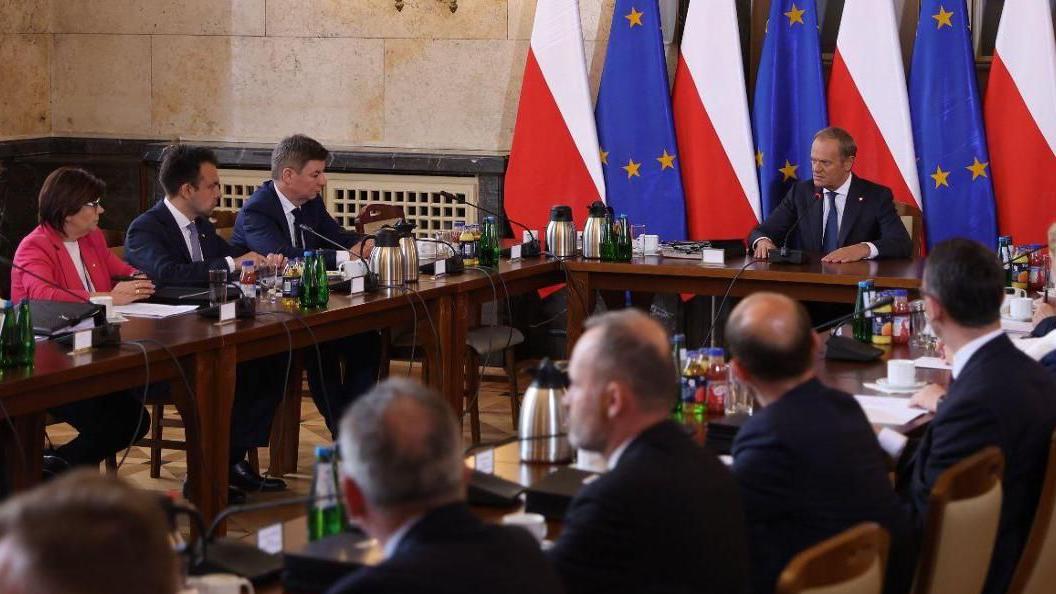
Live conferences and panel discussions move quickly. Speakers share ideas, respond to questions, debate opinions, and react to audience energy in real time. There is no pause button, no second take, and no chance for the audience to rewind the moment. When Polish and English speakers are involved, real-time interpretation becomes the bridge that keeps everyone connected.
For businesses, international organizations, event producers, universities, trade associations, and corporate teams, interpretation quality can shape how audiences experience the entire event. If the interpretation is clear, listeners can follow the discussion naturally. If it is delayed, inaccurate, or emotionally flat, the audience may lose focus, miss important points, or misunderstand the speaker’s message.
Polish–English interpretation for live conferences is not just about language conversion. It is about timing, tone, cultural awareness, subject knowledge, and audience engagement. Whether the event covers technology, finance, healthcare, law, education, manufacturing, policy, media, or business leadership, real-time interpretation helps multilingual audiences participate fully. This article explores how live interpretation supports understanding, where challenges appear, and why professional preparation makes a major difference.
Why Live Interpretation Matters in Multilingual Events
A conference is built around shared understanding. People attend to learn, connect, ask questions, and take away useful insights. When part of the audience cannot fully understand the speaker, the event loses impact. Real-time interpretation helps prevent that gap.
For Polish–English events, interpretation allows speakers to present in the language they are most comfortable using while still reaching a wider audience. A Polish executive can explain market trends to English-speaking investors. An English-speaking expert can address a Polish industry audience. A mixed-language panel can run smoothly without forcing every speaker into one language.
This matters because speakers communicate better when they can express themselves naturally. They can use stronger examples, clearer arguments, and more authentic emotion. Real-time interpretation then carries that message to the audience in a way they can understand immediately.
The Difference Between Translation and Live Interpretation
Translation usually deals with written text. The translator can review, research, revise, and polish the final version. Live interpretation is different. The interpreter listens, processes, and delivers the message almost instantly. It is language work under pressure.
In simultaneous interpretation, the interpreter speaks while the speaker continues talking. This is common for large conferences, keynote sessions, webinars, and panels. In consecutive interpretation, the speaker pauses after a few sentences so the interpreter can render the message. This may be used for smaller panels, Q&A sessions, interviews, or formal discussions.
Both methods require skill, but simultaneous interpretation is especially demanding. The interpreter must understand the speaker’s meaning, predict sentence direction, choose accurate terminology, and speak clearly—all within seconds. For Polish–English interpretation, this can be challenging because sentence structure, idioms, and emphasis often work differently in each language.
How Interpretation Shapes Audience Engagement
Audience engagement depends on more than understanding individual words. Listeners need to follow the speaker’s logic, emotional rhythm, humor, examples, and key takeaways. If interpretation feels robotic or confusing, the audience may mentally check out.
Good interpreters help preserve the speaker’s energy. If the speaker is excited, the interpretation should not sound dull. If the speaker is serious, the interpretation should not sound casual. If the speaker makes a joke, the interpreter must decide quickly how to carry the humor without slowing down the session.
This is especially important during panels. Panel discussions often include interruptions, quick reactions, informal comments, and overlapping ideas. A skilled interpreter helps the audience keep up with who is speaking, what point is being made, and how the conversation is developing. Without that support, multilingual listeners may feel like they are always one step behind.
Common Challenges in Polish–English Live Interpretation
Polish and English do not always move at the same pace. Polish sentences may build meaning differently, sometimes placing important details later in the sentence. English often requires earlier clarity around the subject and action. In real time, the interpreter must restructure ideas quickly without losing accuracy.
Terminology can also be difficult. A conference on artificial intelligence, medicine, law, logistics, finance, or climate policy may include specialized terms that require preparation. If an interpreter hears an unfamiliar technical phrase during a live session, there is little time to research it. This is why pre-event materials are so valuable.
Names, acronyms, product titles, government agencies, company departments, and regional references can also create challenges. Even a small mistake in a name or number can distract the audience. Professional interpreters reduce these risks by preparing glossaries, reviewing speaker slides, and understanding the event topic before going live.
Why Preparation Makes or Breaks Interpretation Quality
Live interpretation may happen in the moment, but strong performance starts long before the event begins. Interpreters need context. They should receive agendas, speaker bios, slide decks, scripts, topic summaries, company background, glossaries, and any technical terms that may appear during the event.
For example, if a Polish–English business conference includes a session on renewable energy investment, the interpreter should know key terms related to grid capacity, permitting, tariffs, carbon reporting, and project financing. If the event is about healthcare, terminology around treatment pathways, patient outcomes, devices, and regulations may be essential.
Preparation also helps interpreters understand tone. Is the event academic, corporate, diplomatic, promotional, technical, or conversational? A panel for investors sounds different from a public awareness campaign. A legal seminar sounds different from a creative industry conference. When interpreters know the communication style, they can match it more accurately.
The Role of Technology in Real-Time Interpretation
Modern live interpretation often depends on technology. In-person conferences may use soundproof booths, headsets, microphones, and dedicated audio channels. Online events may use remote simultaneous interpretation platforms, separate language channels, and streaming tools.
Good technology helps the interpreter and the audience. Clear audio allows interpreters to hear the speaker accurately. Reliable microphones reduce missed words. Proper headset distribution lets the audience choose their preferred language without disrupting the event.
However, technology can also create problems if not planned well. Poor audio, unstable internet, speaker echo, or low-quality microphones can damage interpretation quality. Even the best interpreter cannot perform well if they cannot hear the speaker clearly. Event teams should test all systems before the session begins and have technical support available throughout the event.
Interpretation for Q&A Sessions and Audience Participation
Q&A sessions are often the most unpredictable part of a conference. Audience members may speak quickly, use informal wording, ask long questions, or include personal context. Panelists may respond spontaneously. This creates a different challenge from interpreting prepared speeches.
For Polish–English events, Q&A interpretation needs strong control and clarity. The interpreter may need speakers to pause, repeat, or clarify. Moderators can help by reminding participants to use microphones, speak one at a time, and keep questions concise.
Audience participation improves when people know they can ask questions in their preferred language. It makes the event feel more inclusive and encourages deeper discussion. Without interpretation, some attendees may stay silent even when they have valuable insights to share.
Business Benefits of Professional Live Interpretation
For businesses, live interpretation can improve event reach, audience satisfaction, and brand credibility. A multilingual event signals that the organizer values accessibility and international participation. It also allows companies to bring together partners, clients, employees, investors, and experts from different language backgrounds.
In corporate settings, Polish–English interpretation may support product launches, training events, investor briefings, leadership panels, compliance seminars, and industry conferences. In each case, the goal is not only to transmit information but to create a smooth experience.
Professional interpretation also protects the message. Businesses spend time and money preparing events, speakers, visuals, and campaigns. Poor interpretation can weaken that investment. Strong interpretation makes sure the message lands with the audience as intended.
How Event Organizers Can Support Better Interpretation
Event organizers can improve interpretation quality by planning early. Interpreters should be booked in advance, especially for specialized topics. They should receive materials before the event, not minutes before going live.
Speakers should also be briefed. They should know whether interpretation is being used and adjust their delivery accordingly. Speaking clearly, avoiding unnecessary speed, explaining acronyms, and pausing during complex points can help interpreters deliver a stronger result.
For panels, moderators play a key role. They can prevent people from speaking over each other, keep questions focused, and manage transitions between speakers. These small actions help interpreters and improve the audience experience at the same time.
Conclusion
Polish–English real-time interpretation shapes audience understanding during live conferences and panels by keeping ideas accessible, clear, and engaging across languages. In a live event, meaning moves fast. Speakers do not have time to repeat every point, and audiences do not want to struggle through confusion. Professional interpretation helps multilingual listeners follow the message as it happens.
For businesses and event organizers, interpretation should be treated as part of the event strategy. It affects participation, audience trust, speaker impact, and overall event quality. Strong interpretation preserves tone, technical meaning, cultural context, and discussion flow. Poor interpretation can cause listeners to disengage or misunderstand key ideas. With proper preparation, reliable technology, and skilled Polish–English interpreters, conferences and panels can become more inclusive, professional, and effective. When everyone understands the conversation, the event becomes more than a presentation. It becomes a shared experience.
FAQs
- What is Polish–English live interpretation?
Polish–English live interpretation is the real-time conversion of spoken content between Polish and English during conferences, panels, webinars, meetings, and events.
- What type of interpretation is best for conferences?
Simultaneous interpretation is often best for large conferences because it allows the event to continue without long pauses. Consecutive interpretation may work better for smaller panels or Q&A sessions.
- Why do interpreters need event materials in advance?
Event materials help interpreters prepare terminology, understand the topic, learn speaker names, and deliver more accurate interpretation during the live session.