

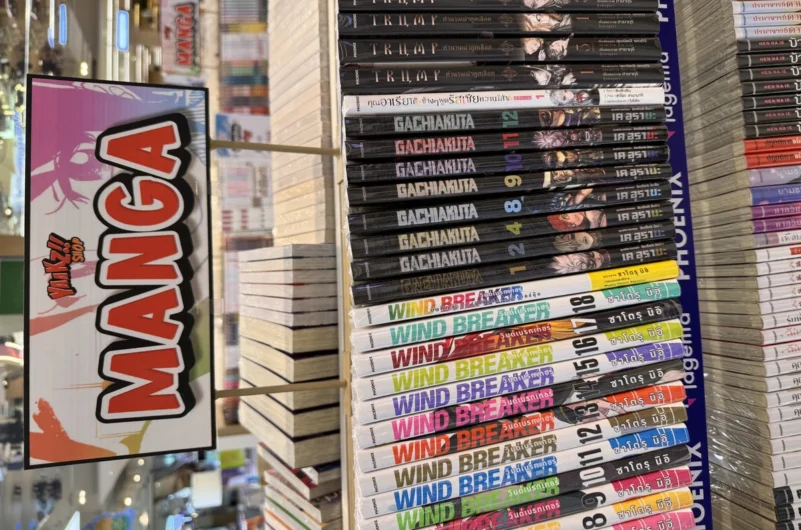
Cultural Adaptation in Manga: Bridging Language Barriers isn’t just a creative challenge; it’s the foundation for trust between readers and the teams handling Japanese series for English-speaking markets. When readers in the US pick up a volume, they’re quietly asking: “Did anyone respect the author’s intent here, or was it rewritten to chase trends?” A studio that treats each script as both linguistic work and cultural interpretation signals care, rigor, and long-term commitment, not a quick cash grab.
Readers trust manga publishers who can explain not only what they translate, but how and why specific adaptation decisions are made.
Cultural Adaptation in Manga: Bridging Language Barriers
Trust starts with process. A reliable Japanese Manga Translation workflow doesn’t hand everything to a single freelancer with no oversight. Instead, scripts pass through a translator, cultural editor, and proofreader who cross-check tone, continuity, and factual details. That’s where manga localization services earn their keep: catching school culture nuances, dialect cues, and social hierarchy markers that raw translation alone can’t carry. When publishers explain this pipeline on their site or in bonus pages, readers understand there’s structure behind every volume they buy.
Readers also care how much of the original “Japaneseness” survives the journey. A credible team makes clear, documented calls about honorifics, food terminology, and regional speech instead of improvising per volume. For example, they may keep a few terms like senpai when they matter to character dynamics, then support them with light-touch context rather than intrusive notes. That consistency helps maintain character voice in translated manga and shows there’s a style guide, not personal whim, steering the adaptation.
Humor and emotional beats are where anxiety often spikes. Fans worry that punchlines will be swapped for internet memes or that serious scenes will be toned down for a notional “wider audience.” Experienced editors treat anime and manga dialogue adaptation as a craft: puns get rebuilt so they’re actually funny in English, but character intent and power balance stay intact. You’ll often see this in how they handle teasing between classmates or senior-junior relationships, where one mistranslated line can invert who’s actually in control of a scene.
How professionals handle tricky pages and sensitive content
The hardest pages to localise are usually stacked with signs, SFX, and cultural references all at once. Teams that take quality control for comic localization seriously will flag these early in production. Letterers and translators sit down with the art to decide what to redraw, what to subtitle, and where to rely on localizing Japanese comic sound effects without smothering the original ink work. That collaborative approach avoids the “photoshop everything” look that many readers instinctively distrust.
Standards, constraints, and realistic trade-offs
There are also rating boards, retailer rules, and print constraints that limit what any publisher can do. Honest studios don’t pretend those pressures don’t exist; they explain where a cover change or age label was required to keep a book in major chains. When you see them discuss best practices for manga translation on panels or blog posts, they’ll often acknowledge compromises, like softening marketing copy around age gaps while leaving the story intact. That sort of transparency is usually a sign you’re dealing with professional manga localization, not quiet censorship.
Lettering and layout matter for trust as well. A rushed release might cram English text into boxes, breaking reading flow or covering key art. Teams focused on global-ready manga lettering test line breaks, font choices, and balloon spacing against the printed proof, not just on a monitor. They’ll talk openly about constraints too: panel gutters that can’t be expanded, or handwritten notes that must remain Japanese with subtle subtitles. Hearing those operational realities gives readers a clearer sense of why some choices look the way they do.
When you’re comparing editions or deciding whether to wait for an official release, pay close attention to how openly a publisher talks about its manga localization services, from script checks to in-house review cycles. The more specific they’re willing to be about workflows, examples, and constraints, the easier it is to trust that future volumes will respect both you and the original creator. If you’re unsure which series to try next or want clarity on how a particular title is handled, reach out to the editorial team and ask for details—any publisher worth your time will welcome those questions.