

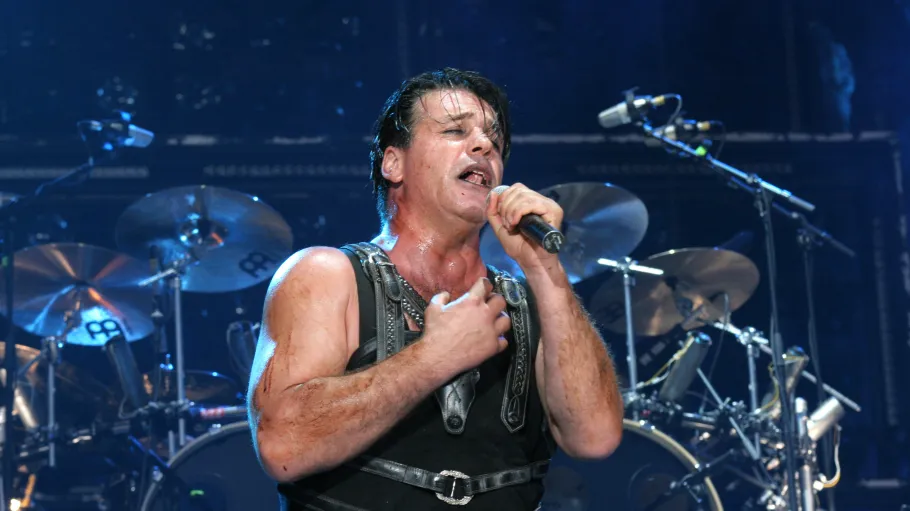
Concert films are not just recordings of live performances. They are emotional experiences. The crowd noise, the artist’s pauses, the backstage interviews, the lyrics, the jokes between songs, and the cultural references all shape how viewers connect with the performance. But when a concert film moves between German and English audiences, language can either open the door or quietly close it.
That is where German–English subtitle localization becomes powerful. Basic subtitles may tell viewers what was said. Localized subtitles help them understand why it matters. The difference is huge. A German artist’s emotional comment before a ballad, an English-speaking band’s backstage humor, or a documentary-style explanation of a song’s meaning can lose impact if subtitles feel stiff, delayed, or too literal.
For businesses in entertainment, streaming, music distribution, film marketing, and cultural media, German to English translation and English to German translation are not only about words. They are about audience engagement. This article explores how subtitle localization changes the viewing experience for concert films and music specials, and why it matters for global reach.
Why Concert Films Need More Than Direct Translation
Concert films carry rhythm, energy, and personality. A direct translation may technically explain the dialogue, but it may not match the mood of the moment. Music content is especially sensitive because viewers are already listening, watching, and emotionally reacting at the same time.
If subtitles are too long, viewers miss the performance. If they are too short, important meaning disappears. If they are too literal, jokes may fall flat. If they ignore cultural context, the audience may understand the words but not the feeling behind them.
For example, a German singer speaking casually to a local crowd may use regional expressions, humor, or emotional understatement. Translating every word literally into English could sound awkward or cold. A localized subtitle would preserve the meaning while making it natural for English-speaking viewers.
The same is true in reverse. English-language music specials often include idioms, slang, tour references, and fan culture. German subtitles need to make those moments feel accessible without overexplaining them.
Subtitles Shape Audience Engagement
Subtitles influence how long viewers stay engaged, how much they understand, and how deeply they connect with the content. For international audiences, subtitles often decide whether a concert film feels immersive or distant.
Think of subtitles like stage lighting. When they work well, viewers barely notice them because they support the experience. When they are poorly timed, too crowded, or unnatural, they distract from the performance.
In concert films, timing is everything. Subtitles must appear long enough to read but not so long that they cover the next emotional beat. A singer’s whispered introduction, a sudden crowd chant, or a quick joke between band members needs subtitle timing that respects the flow of the scene.
Good German–English subtitle localization helps viewers stay inside the performance. It lets them focus on the music instead of struggling to decode the language.
Localizing Lyrics Without Losing Meaning
Lyrics are one of the hardest parts of concert film subtitling. Should they be translated literally? Should they preserve rhyme? Should they focus on emotional meaning? The answer depends on the content and the audience.
For a music documentary, translated lyrics may help viewers understand the story behind the artist’s work. For a live concert film, subtitles may need to preserve the emotion more than the exact structure. A poetic German lyric translated too literally into English may sound flat. An English lyric translated too freely into German may lose the artist’s intent.
This is why subtitle localization requires creative judgment. The translator has to balance meaning, tone, timing, and readability. Sometimes a shorter subtitle captures the emotional weight better than a word-for-word translation.
For businesses releasing concert films internationally, this matters because lyrics often carry the heart of the project. Fans want to feel connected to the artist, not just informed about the words.
Cultural References Need Careful Handling
Concert films and music specials often include cultural references that make perfect sense to local fans but may confuse international viewers. These can include jokes about cities, references to past albums, political remarks, local festivals, fan chants, award shows, or music scenes.
German and English audiences may not share the same cultural background. A German reference to a specific regional tradition may need a subtitle that gives just enough context. An English artist’s reference to a local radio station, school experience, or slang phrase may need adaptation for German viewers.
The challenge is not to explain everything. Overloaded subtitles can feel like footnotes on a moving screen. The goal is to make the moment understandable without breaking the viewing experience.
This is where localization differs from basic translation. It asks: What does the viewer need to understand right now to feel included?
Accessibility and International Reach
Subtitles also make concert films more accessible. They support viewers who are deaf or hard of hearing, viewers watching without sound, and viewers who understand some of the spoken language but need reading support. They also help multilingual audiences follow fast dialogue, backstage scenes, and crowd interactions.
For platforms, distributors, and production companies, this has a business impact. More accessible content can reach more viewers. More understandable content can hold attention longer. More localized content can feel less foreign and more welcoming.
This is especially important for German and English markets because both languages are connected to strong music industries, international touring, festivals, streaming platforms, and documentary audiences. A German concert special can find English-speaking fans abroad. An English-language music film can attract German viewers who want a more natural viewing experience.
When subtitles are localized well, the content travels better.
The Role of Subtitle Timing and Formatting
Even excellent translation can fail if subtitle timing is poor. Concert films move quickly. There may be crowd noise, overlapping speech, song transitions, and visual effects. Subtitles must fit the rhythm of the edit.
Good subtitle localization considers reading speed, line breaks, shot changes, and screen placement. In music specials, subtitles may need to avoid covering important visuals, such as instruments, captions, artist names, or on-screen graphics.
Line breaks are especially important. A poorly broken subtitle can make a sentence harder to understand. A well-broken subtitle guides the viewer naturally through the meaning.
For German subtitles, length can be a challenge because German words may be longer. For English subtitles, compact wording may be needed to keep pace with fast German speech. Subtitle localization is not just linguistic work. It is visual editing with words.
How Businesses Benefit From Professional Subtitle Localization
For entertainment businesses, subtitle quality affects brand perception. Viewers may not always praise good subtitles, but they quickly notice bad ones. Awkward subtitles can make a premium concert film feel cheap. Well-localized subtitles make the content feel polished, professional, and ready for global release.
Streaming platforms, production studios, record labels, event organizers, cultural institutions, and marketing teams can all benefit. Localized subtitles can support international launches, festival submissions, promotional campaigns, fan engagement, and archival releases.
A German artist releasing a music special for English-speaking audiences needs subtitles that carry emotion, humor, and story. An English-speaking artist entering German-speaking markets needs subtitles that feel natural, not machine-made. In both cases, localization helps the audience feel like the content was made with them in mind.
That feeling can turn casual viewers into fans.
Conclusion
German–English subtitle localization can transform how audiences experience concert films and music specials. It helps viewers understand not only the dialogue but also the emotion, timing, humor, lyrics, and cultural meaning behind each moment. In music content, those details matter. A concert film is not a manual or a meeting transcript. It is a performance, and subtitles need to support that performance without getting in the way.
For businesses working in entertainment, streaming, music marketing, and cultural media, professional German to English translation and English to German translation can extend the life and reach of a project. Localized subtitles make content more accessible, more engaging, and more suitable for international audiences. When done well, they act like an invisible bridge between artist and viewer. The audience may be miles away from the original venue, but the right subtitles can still make them feel close to the stage.
FAQs
- Why do concert films need subtitle localization?
Concert films include lyrics, emotion, humor, crowd interaction, and cultural references. Localization helps preserve those elements for international viewers.
- Is subtitle localization different from regular translation?
Yes. Regular translation focuses on meaning, while subtitle localization also considers timing, readability, tone, screen space, and cultural context.
- Should song lyrics always be translatedinsubtitles?
Not always. It depends on the project. Some concert films translate lyrics for meaning, while others focus only on dialogue and spoken commentary.