

Hierarchy in Every Sentence: How Korean Honorific Systems Collapse English Power Dynamics
If you’ve ever wondered why conversations in Korean sound deeply respectful yet awkward when translated word-for-word into English, the answer lies in Korea’s honorific system. Korean embeds

K-Corporate Tone: Why Korean Workplace Language Sounds Too Soft or Too Harsh in English
If you’ve ever worked with Korean colleagues, attended a meeting with a Korean tech firm, or read an email from a Korean business partner, you may have

Transcreation in Japanese Gaming: How Narrative Emotion Survives the Jump from Kanji to English Dialogue
Ever noticed how characters in Japanese games can make you feel something before you fully understand what they’re saying? That’s not an accident. Japanese game writing thrives on emotional

Localizing Thai Food Culture: Why Words Like Nam Prik, Khanom, and Sabai Sabai Resist English Labels
Try explaining Thai food to someone who has never encountered it. Words like nam prik, khanom, or the expression sabai sabai may sound simple, but they carry deep cultural meanings that English can’t easily replicate.

Spirit Houses and Soft Power: Translating Thai Spiritual Concepts for English-Speaking Audiences
If you’ve ever walked through Thailand—past homes, office complexes, or shopping malls—you’ve likely noticed miniature shrines sitting on pedestals, decorated with incense, flowers, and offerings. To Thai people, these aren’t ornaments—they’re spirit

Chinese-to-English Document Translation Pitfalls in Corporate Transactions: Why Literal Accuracy Can Still Be Legally Wrong
Imagine closing a multimillion-dollar merger, only to discover your contract doesn’t mean what both sides believed it did. The words are correct, the grammar flawless, and yet
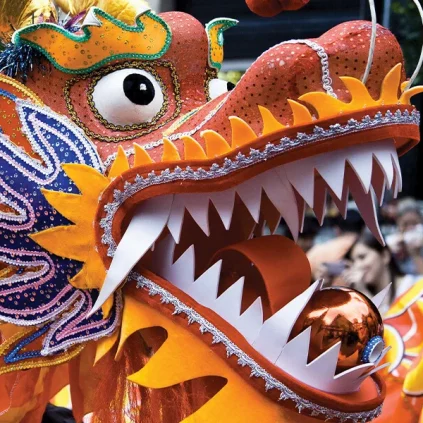
When Dragons Aren’t Metaphors: Translating Myth, Symbol, and Cosmic Order from Chinese Into English
Picture a dragon. If you grew up in the West, your mind probably jumps to a fire-breathing monster hoarding gold, guarding castles, and tormenting knights. But in
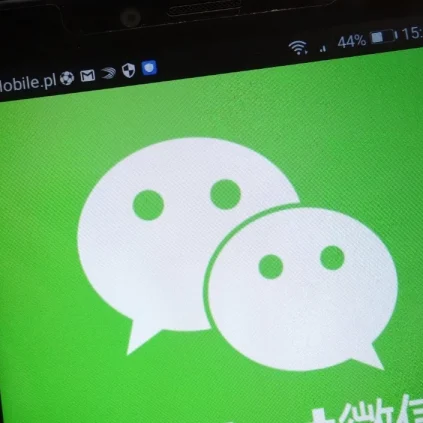
From WeChat to WhatsApp: How Chinese App Ecosystems Rewire UI Language for English Users
If you’ve ever switched between WeChat and WhatsApp, you’ve likely felt it — that subtle friction where the interface looks familiar, yet the language and interaction pattern feels like it plays by different rules.

From Slogan to Story: How Malaysian Brands Use Transcreation to Preserve Cultural Meaning in English Marketing
Marketing is no longer just about attention — it’s about belonging. Brands don’t want customers; they want communities. But what happens when a brand rooted

When English Isn’t Enough: Why Some Malay Cultural Concepts Resist Full Translation
Languages don’t just organize words — they organize reality. Every culture encodes its worldview into expressions, metaphors, and social cues that may seem obvious to insiders yet