
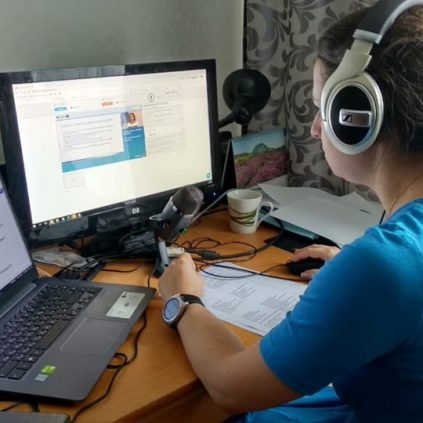
Simultaneous Interpretation in International Business Negotiations: Where Precision Influences Outcomes
International business negotiations move fast. A pricing point is raised, a counteroffer follows, legal language enters the discussion, and suddenly everyone needs to understand not
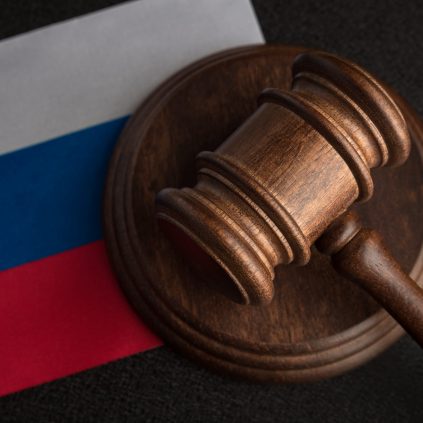
Deposition Recordings in Russian and English: Where Transcription Accuracy Impacts Legal Proceedings
Legal proceedings do not leave much room for “close enough.” A single unclear answer, missing pause, mistranslated phrase, or wrongly attributed speaker can shift how

Why Subtitle Localization Matters for Burmese Training Videos Used by International Teams
Training videos are supposed to make work easier. They explain processes, introduce policies, show product steps, teach safety rules, and help employees understand what is

Witness Interviews in Burmese and English: Where Transcription Accuracy Becomes Critical for Legal Documentation
Witness interviews can shape the direction of an entire legal matter. A single phrase, pause, correction, or emotional hesitation may influence how a statement is
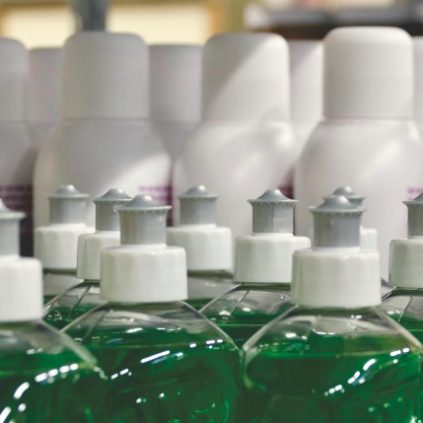
Global Differences in Hazard Communication for FMCG Chemicals
Fast-moving consumer goods often include chemicals: detergents, disinfectants, cosmetics, air fresheners, aerosols, polishes, and cleaning sprays. Global Differences in Hazard Communication for FMCG Chemicals matter because the

How to Translate Feeding Instructions Across Markets
Expanding food or pet care products internationally is exciting, but it also comes with challenges. One major task businesses face is learning How to Translate Feeding Instructions
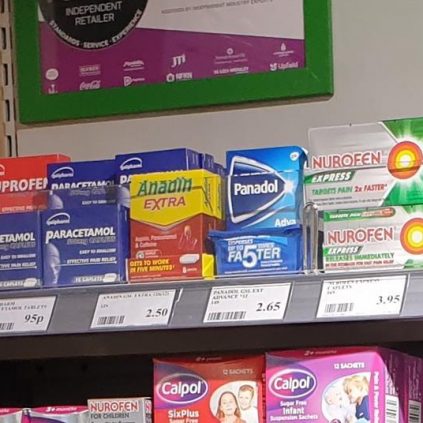
Why Over-The-Counter (OTC) Label Translation Requires Medical-Level QA
Over-the-counter medicines are used by millions of people every day. From pain relievers and allergy tablets to cough syrups and antacids, these products are often
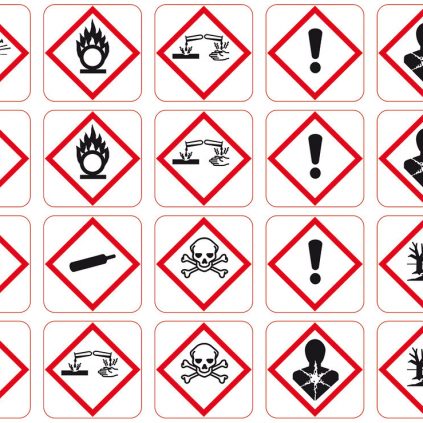
Translating Hazard Labels: A Compliance Guide for FMCG Brands
Fast-moving consumer goods (FMCG) brands operate in highly competitive global markets. From cleaning sprays and detergents to cosmetics and aerosol products, many FMCG items require
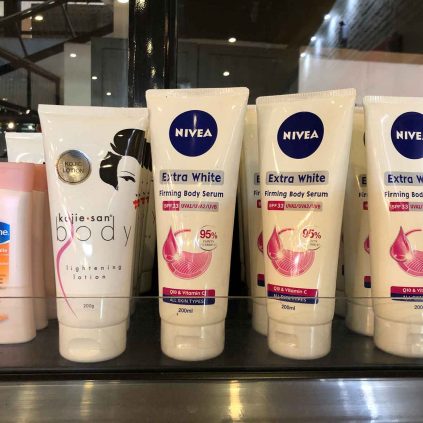
Why “Whitening” Can’t Be Translated Literally in Global Markets
The global beauty industry depends heavily on language. A skincare product launched in one country may later appear in stores across Asia, Europe, the Middle
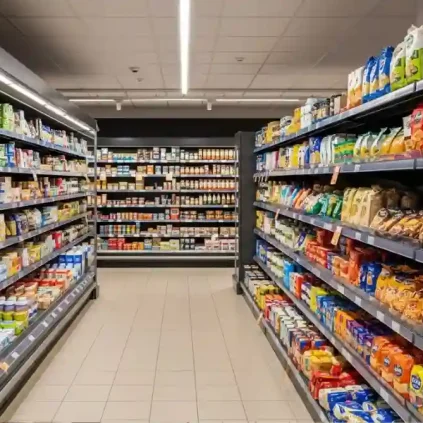
Ingredient Translation Pitfalls in FMCG Food Packaging
As FMCG food brands expand globally, packaging translation has become more important than ever. Consumers rely on ingredient labels to understand allergens, nutritional content, dietary