

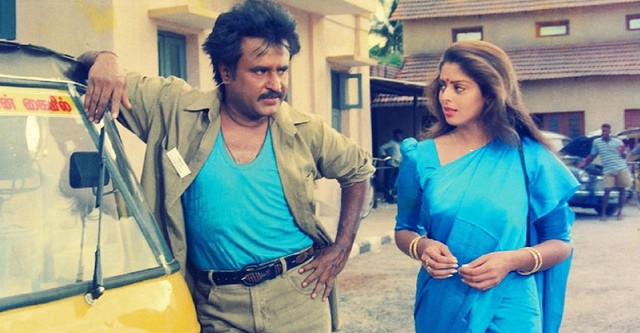
If you’ve ever watched a Tamil movie with English subtitles and felt something was missing, you’re not alone. Tamil cinema dialogue carries a rhythm, swagger, and cultural density that refuses to sit quietly inside the neat grammar boxes of English subtitles. The Tamil to English translation / localization process is far more complex than switching words between languages; it’s an act of cultural interpretation. Tamil filmmaking—from the punch dialogues of Rajinikanth to the poetic speech of Mani Ratnam’s protagonists—embraces layered meaning, humor, and emotional force that English often can’t replicate without losing impact.
English subtitling norms demand brevity, neutrality, and clarity. Tamil dialogue, in contrast, thrives on exaggeration, musical cadences, references to local folklore, and an emotional register that English audiences rarely expect. Add political slogans, caste-based expressions, religious metaphors, and multilingual code-switching, and suddenly translators are juggling fire. This article breaks down why Tamil cinematic speech challenges English subtitles and examines real examples that reveal how meaning, identity, and emotion get reshaped—or lost—during localization.
Why Tamil Dialogue Defies English Subtitling Norms
The Emotional Intensity Problem
Tamil cinema is unapologetically emotional. Where English films favor subtlety, Tamil characters often speak in heightened metaphors. Translators face the dilemma of reducing expressive lines like:
“Naan oru thadavai sonna, nooru thadavai sonna madhiri”
which literally means “If I say it once, it’s like saying it a hundred times.”
English subtitles collapse this to “I don’t repeat myself,” losing tone, swagger, and Rajinikanth’s iconic cinematic authority.
Punch Dialogues Don’t Punch in English
Tamil punchlines are rhythmic, exaggerated, and hyper-local. English prefers concise, literal structure, so the music of the dialogue disappears. Translators must decide: preserve meaning or preserve style? Most subtitling systems offer no space for both.
Politeness Hierarchy and Honorifics
Tamil embeds respect directly into speech. Words like “anna” (elder brother), “ayyā”, “amma”, and pluralized honorific verb forms encode social relationships. English lacks equivalents without sounding awkward, leading to cultural flattening.
Cultural References That Have No Global Context
Tamil lines often reference:
- Hindu epics
- Dravidian politics
- Tamil folklore
- Local festivals
Without contextual notes, English viewers miss layers of meaning.
Dialect and Class Signaling
Tamil films employ dialects—Madurai Tamil, Kongu Tamil, Chennai slang—to signal class and geography. English subtitles homogenize speech, erasing identity cues vital to storytelling.
Humor That Doesn’t Survive Translation
Tamil comedy relies on:
- Wordplay
- Rhythmic banter
- Cultural jokes
Most English subtitles replace jokes with neutral statements, leading viewers to ask: Why is everyone laughing?
The Time Constraint Problem
Tamil sentences run long and metaphorical; subtitles limit characters per line. Subtitlers compress dialogue like poetry into PowerPoint bullets.
Songs as Narrative Devices
Tamil cinema uses lyrical songs to express emotion and plot. English subtitles rarely capture rhyme, rhythm, or metaphorical meaning.
Case Study: Baasha (1995)
Rajinikanth’s iconic dialogue embodies identity, masculinity, and myth-making. English subtitles reduce explosive personality into generic speech—a cultural disservice.
Case Study: Vikram (2022)
Lokesh Kanagaraj’s layered slang and gangster lingo collapse into English neutrality. Characters lose linguistic aggression and charisma.
Why AI Subtitlers Fail Tamil Dialogue
Machine translation lacks cultural awareness. AI sees words; Tamil cinema speaks worlds.
Conclusion
Tamil cinema dialogue isn’t just storytelling—it’s cultural architecture. Each sentence carries identity, class, rhythm, myth, and performance. When English subtitling norms demand speed, minimalism, and literal clarity, Tamil loses its emotional oxygen. Localization teams are not merely language technicians; they are cultural interpreters negotiating humor, honorifics, dialects, and political nuance. To subtitle Tamil cinema effectively, the industry must abandon one-size-fits-all Western subtitling standards and embrace culturally adaptive translation frameworks. If global audiences are truly to understand Tamil cinema, subtitles must evolve—not Tamil dialogue.
FAQs
Q1: Why can’t Tamil punch dialogues be directly translated into English?
They rely on rhythm, hyperbole, and cultural swagger that English lacks.
Q2: Why are Tamil honorifics difficult to subtitle?
English doesn’t encode relationships in grammar, making direct equivalents impossible.
Q3: Is Tamil humor harder to translate than Hindi humor?
Yes. Tamil humor is more wordplay- and rhythm-based.
Q4: Why do English subtitles shorten Tamil lines?
Subtitles have strict character limits per second.
Q5: Can AI tools replace human Tamil subtitlers?
Not yet. AI lacks cultural and contextual intelligence.