

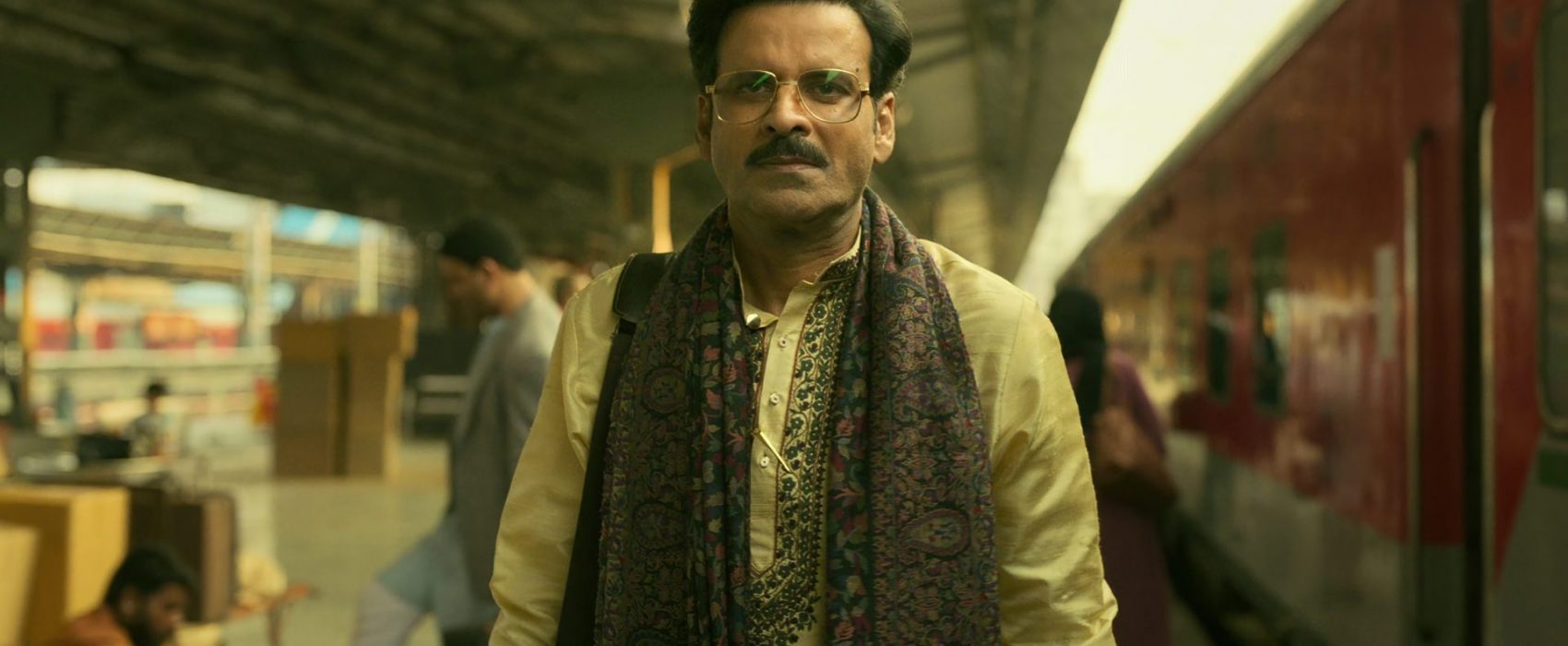
The rise of streaming has turned borders into mere lines on a map. Today, audiences in London binge-watch shows set in Mumbai, and fans in New York quote dialogues that were originally written in Hindi. But none of this global cultural exchange would be possible without one unsung hero — Hindi to English Translation and Localization. Platforms like Netflix have made international content mainstream, yet viewers rarely think about what happens behind the scenes when they click “Play.” For a Hindi series to resonate with an English-speaking audience, it must be more than translated — it must be localized. That means adapting context, emotion, tone, cultural references, and even pacing so the story feels natural, not foreign.
This article explores how Netflix transforms Hindi originals like Sacred Games and Delhi Crime into compelling English-language experiences. We will examine real localization strategies, dialogue adaptations, cultural nuances, subtitle philosophy, and character voice preservation. By the end, you’ll understand why localization is not a mechanical word swap — it’s storytelling reborn.
Understanding Netflix’s Global Localization Strategy
Netflix’s success rests on offering content that feels native to its viewers. Hindi to English translation is a core pillar of this strategy, especially for titles that feature complex narratives, socio-political themes, or cultural references. Localization ensures that audiences understand not just what characters say, but why they say it in that specific way.
Why Hindi Originals Require More Than Direct Translation
Hindi relies heavily on tone, hierarchy, and context. English speakers do not inherently recognize linguistic cues tied to family structure, caste nuance, or respect markers. Without localization, emotional depth collapses. Simply translating “Tum” to “You” misses the layered relationships Hindi conveys.
Case Study 1 – Sacred Games
Sacred Games introduced audiences to Mumbai’s criminal underworld. Lines such as “Kabhi kabhi lagta hai apun hi bhagwan hai” were not merely words, but cultural identity markers. Localizers had to decide: Should they retain “apun” — a Mumbai street dialect — or smooth it into standard English?
The chosen English subtitle — “Sometimes I think I’m God” — prioritizes clarity over dialect. While it removes regional flavor, it preserves character ego and narrative punch. This decision reflects a strategic trade-off: accessibility over linguistic fidelity.
Adapting Religious and Mythological References
Hindi originals often reference gods, rituals, and mythology. For example, Sacred Games weaves Hindu cosmology into its plot. English localization simplified references without stripping meaning, ensuring unfamiliar audiences could follow without pausing to Google cultural details.
Case Study 2 – Delhi Crime
Delhi Crime presented an even tougher challenge. Based on real events, it demanded a neutral tone — neither sensational nor trivial. Hindi dialogues contained expressions rooted in policing culture and social reality. Localizers balanced gravity and clarity, avoiding slang that would trivialize sensitive scenes.
Cultural Honesty vs. Viewer Comfort
A direct translation of “Yeh hamare desh ki sachchai hai” could feel melodramatic. Instead, “This is the reality of our country” maintains emotional weight without sounding out of place in English.
Subtitle and Dubbing Philosophy
Netflix uses two workflows:
- Subtitles preserve original tone but require compression
- Dubbing requires lip-sync, pacing, and vocal casting
Both must deliver emotional equivalence, not textual accuracy.
Humor, Slang, and Abuse Localization
Hindi insult culture is layered and metaphorical. English profanity tends to be more blunt. Localizers often replace idiomatic slurs with culturally parallel ones, avoiding literal translations that sound absurd or unintentionally comedic.
The Role of Cultural Sensitivity Teams
Netflix uses linguistic experts, regional consultants, and cultural editors to ensure representation remains accurate. This prevents stereotypes, mistranslations, and tonal erasure.
Conclusion
Hindi to English translation is not a linguistic exercise — it’s an act of cultural engineering. Shows like Sacred Games and Delhi Crime succeed globally because Netflix invests in localization processes that respect both source culture and audience experience. The goal is not to transplant a story but to re-root it in a new linguistic ecosystem. English viewers don’t just watch Mumbai unfold — they feel it. And that is the power of well-executed localization: the barrier between “foreign” and “familiar” dissolves.
For creators and translators, this case study offers a lesson — translation alone is insufficient. Localization is where meaning lives. If you’re crafting multilingual content, invest in the emotional and cultural layers that make stories matter. And for audiences, the next time you binge a Hindi original, remember — someone made sure those words made sense to you.
FAQs
- Why does Netflix localize instead of simply translating?
Because translation conveys words, while localization conveys meaning and cultural context. - Are dubbing and subtitles created by the same team?
No, each has separate workflows due to timing and tonal differences. - Why are some Hindi slang terms removed?
To avoid confusion or unintended humor among English audiences. - Do localized versions lose original cultural depth?
Some nuance shifts, but skilled localizationmaintains emotional intent. - How long does localization take?
Major series can take months due to research, scripting, and quality assurance.