

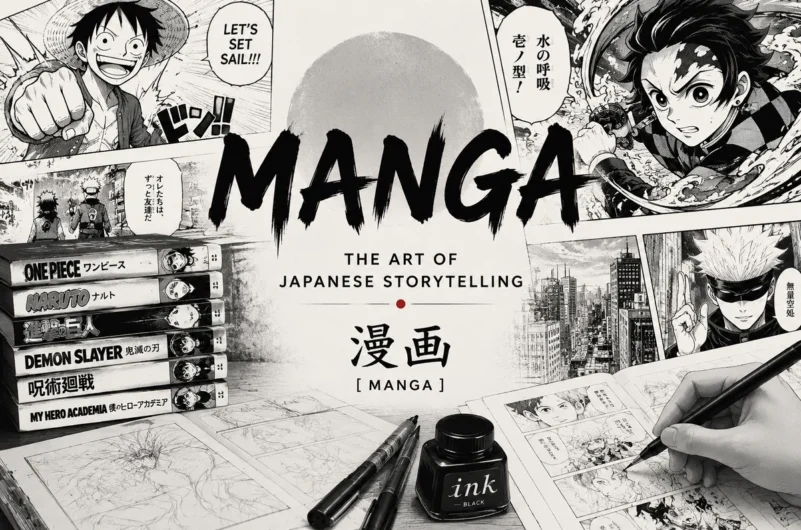
Best Practices for Manga Quality Assurance in 2026
Why manga QA has become non‑negotiable
By 2026, quality assurance sits at the core of any serious Japanese Manga Translation project, especially when digital and print editions launch on the same day. Publishers can’t afford mistranslated attacks, broken joke timing, or balloon overflows that trigger reader backlash within hours of release. A structured QA layer protects schedules, brand reputation, and licensing relationships with Japanese rights holders. For teams handling multilingual comic and manga releases, QA also prevents divergent canon where terms, nicknames, and power systems drift across languages.
How modern manga translation and QA pipelines are structured
A typical manga translation and QA pipeline now splits responsibilities across translators, revision editors, letterers, and rights or copyright staff. First passes focus on base accuracy, terminology, and how choices will scale across a long series. Second passes concentrate on voice, rhythm, and panel-level readability, using style guides and shared termbases to support professional manga localization workflows. Many studios in North America and Southeast Asia also maintain separate tracks for light novels and manga to avoid bleeding prose habits into cramped word balloons.
“A clean translation draft is only half the job; QA decides whether the chapter actually works on the page.”
Specialist teams now treat sound effects, honorifics, and register shifts as separate QA checkpoints rather than afterthoughts. Reviewers test different visual SFX and bubble translation strategies to see which option preserves pacing without overwhelming the art. Decisions about -kun, -senpai, and regional dialects are recorded explicitly so they aren’t renegotiated every volume. This documentation also supports culturally accurate manga adaptation when series move into adjacent products like anime scripts or game tie-ins.
Practical checks before a chapter goes live
Senior editors rarely reread entire volumes; they run targeted spot checks where problems usually hide. Priority pages include cold opens, double‑page action spreads, and emotional confession scenes where timing and silence matter as much as dialogue. Many teams run a final lettering pass just to catch spacing and kerning issues that automated preflight tools routinely miss. It’s common to pair a linguist with a layout‑savvy editor to align text density with panel composition and avoid last‑minute redraw requests.
For teams building reliable manga localization services, it helps to define a short, mandatory checklist before sign‑off. That checklist often covers spellings of character names and attacks, consistency of in‑world terminology, and whether flashback captions match earlier chapters. QA leads also review riskier items such as parody references, borderline profanity, or age‑rating concerns that might trigger retailer pushback. Where anime translation techniques have influenced the script, they verify that timing-dependent jokes still land in static panels.
Avoiding common pitfalls in publisher-ready QA
Many recurring issues stem from misaligned expectations rather than translator skill. Over-literal gag translation, inconsistent speech levels between rivals, and cramped balloons usually trace back to vague briefs or incomplete style guides. Teams chasing aggressive simulpub schedules sometimes skip second-pass editing, which nearly always shows later as fragmented tone and uneven terminology. I’ve found that a short calibration round on chapter one pays for itself across a 20-volume run in fewer corrections and cleaner, publisher-ready manga localization quality.
Another common failure point is undocumented exceptions. A clever workaround that saves space in one chapter becomes a problem when nobody remembers why it was chosen. To avoid this, some studios maintain lightweight “comic book translation tips” pages inside their project wikis, storing panel-specific notes and recurring edge cases. When stakeholders demand advanced anime dialogue translation in future tie-ins, these notes explain why certain phrases or catchcries differ from literal Japanese. This shared memory also underpins best practices for comic localization across print, digital, and omnibus editions.
Teams that treat QA as a living process rather than a final hurdle see fewer crises. Reader comments, retailer feedback, and even scanlation comparisons can highlight blind spots in existing manga translation and QA pipeline rules. If you’re refining your own process, start by mapping which mistakes would be most expensive to fix after release, then design checkpoints around them. To explore how structured QA can support Japanese and overseas launches, consider speaking with a specialist team about Japanese Manga Translation workflows and review options before locking your next schedule.