

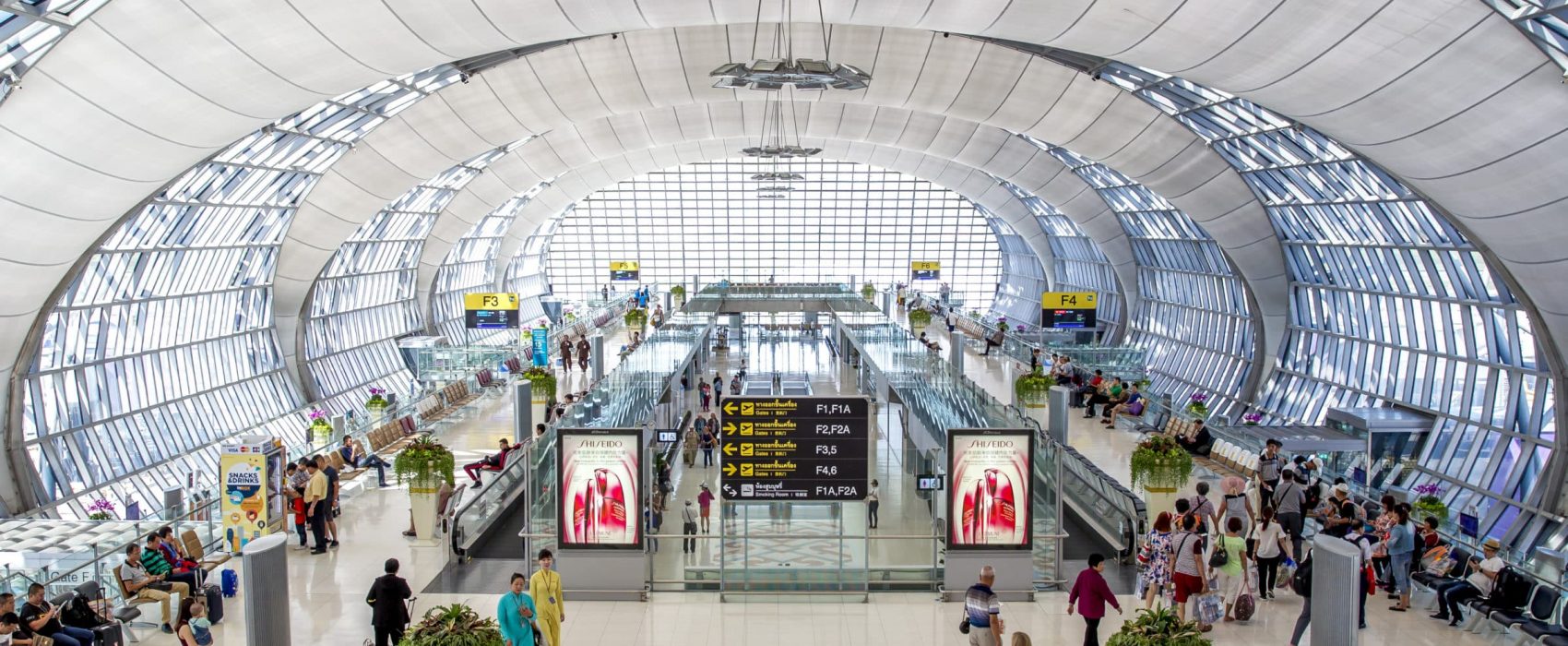
Airports are fast-moving environments where every second counts. A delayed announcement, a misunderstood instruction, or a confusing sign can quickly escalate into missed flights, safety risks, or frustrated passengers. For international travelers navigating unfamiliar languages—especially in high-traffic hubs like Thailand—clarity is everything. This is where subtitle localization becomes more than a convenience; it becomes a necessity.
From boarding calls and safety alerts to promotional travel content displayed on airport screens, localized subtitles play a critical role in bridging communication gaps. Businesses operating in aviation, tourism, and hospitality sectors are increasingly recognizing that accurate Thai–English subtitle translation is not just about language—it’s about delivering a seamless passenger experience. This article explores how subtitle localization enhances clarity, reduces risk, and strengthens brand perception across global travel touchpoints.
Why Airport Communication Requires Precision
Airport announcements are often delivered in rapid succession, sometimes under stressful conditions. Passengers rely heavily on clear instructions to navigate terminals, security protocols, and boarding procedures. A poorly translated message can lead to confusion or even safety hazards.
In Thailand, where millions of international passengers pass through airports annually, the need for precise Thai to English translation is critical. Subtitles displayed on digital screens must match spoken announcements while remaining concise and easy to understand. Businesses involved in airport operations must ensure that translation accuracy is not compromised, especially during emergencies where clarity can directly impact passenger safety.
The Role of Subtitle Localization in Travel Content
Beyond announcements, airports are filled with travel-related content—advertisements, destination guides, and service promotions. These are often displayed on large screens with subtitles to cater to diverse audiences.
Localized subtitles help international travelers quickly grasp key messages without relying solely on audio. For example, a tourism campaign promoting Thai destinations becomes far more effective when subtitles reflect cultural nuances and idiomatic expressions correctly. Literal translations often fall flat, while localized subtitles resonate better, improving engagement and retention.
Reducing Passenger Confusion Through Consistency
Consistency in translation is often overlooked but plays a crucial role in passenger experience. When the same instruction is translated differently across platforms—such as announcements, signage, and mobile apps—it creates unnecessary confusion.
Structured transcription and subtitle workflows ensure uniformity. By first transcribing Thai announcements accurately and then translating them into English with standardized terminology, businesses can maintain consistency across all communication channels. This approach minimizes misunderstandings and reinforces trust among passengers.
Technology Meets Human Expertise
While automated translation tools have improved, they still struggle with context, tone, and cultural nuances. Airport communication requires more than literal translation—it demands contextual accuracy.
Combining AI-powered transcription with human localization ensures the best results. Automated systems can handle speed and scalability, while professional linguists refine subtitles for clarity and cultural relevance. This hybrid approach is becoming the standard for businesses aiming to deliver high-quality multilingual communication.
Enhancing Brand Perception Through Clarity
Clear communication is a reflection of professionalism. Airports and travel brands that invest in accurate subtitle localization are perceived as more reliable and passenger-friendly.
For international travelers, seamless communication reduces stress and enhances overall experience. This not only improves immediate satisfaction but also influences long-term brand perception, encouraging repeat visits and positive word-of-mouth.
Conclusion
Subtitle localization in airports is no longer optional—it is a core component of effective communication in global travel environments. From ensuring safety during critical announcements to enhancing engagement with travel content, accurate Thai–English subtitles play a pivotal role in shaping passenger experiences.
Businesses that prioritize structured transcription, consistent translation, and culturally aware localization gain a competitive edge. They reduce operational risks, improve clarity, and build stronger connections with international audiences. In a setting where every message matters, investing in subtitle precision ensures that nothing gets lost in translation.
FAQs
- Why are subtitles important in airports?
Subtitles help international passengers understand announcements and instructions, reducing confusion and improving safety. - Can automated translation tools handle airport subtitles?
They can assist, but human review is essential to ensure accuracy, context, and cultural relevance. - What is the difference between translation and localization?
Translation converts language, while localization adapts content to cultural and contextual nuances. - How do subtitles improve passenger experience?
They provide clarity, reduce stress, and help travelers navigate unfamiliar environments more easily. - Which industries benefit from subtitle localization in airports?
Aviation, tourism, hospitality, and retail businesses all benefit from clearer multilingual communication.