

Strategic Arabic to English Transcreation for Global Marketing Campaigns
Expanding into English-speaking markets from the Arab world isn’t just about translating words. It’s about translating meaning, emotion, and intent. That’s where Arabic to English
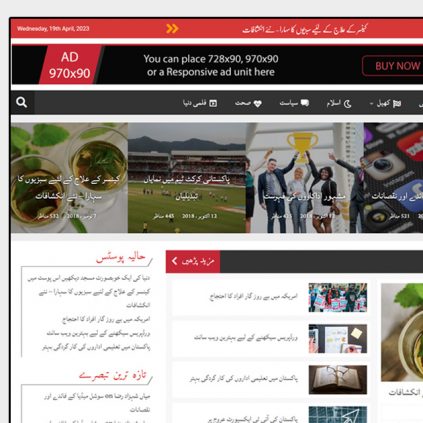
Designing English Websites from Urdu Source Content: Content Restructuring, Not Just Translation
Many businesses assume that once their Urdu website is translated into English, it’s “ready for international audiences.” In reality, that’s often where the problems begin. English websites built from

Urdu-to-English Contract Translation: Handling Ambiguity, Repetition, and Non-Explicit Subjects
Contracts don’t fail loudly. They fail quietly—when ambiguity slips through, when responsibilities aren’t clear, and when assumptions replace explicit obligations. In Urdu to English Localization, contract failure often starts with

When ‘Respectful’ Becomes ‘Vague’: Transcreating Urdu Politeness for English Business Audiences
In Urdu business communication, politeness isn’t optional—it’s foundational. Respect is embedded into sentence structure, verb choice, and even how requests are framed. But when that same politeness is
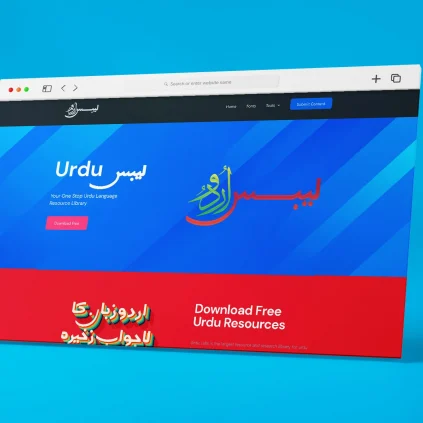
Website Translation from Urdu to English: Why Literal Menus, CTAs, and Headings Fail International UX
You can translate every word on an Urdu website into English and still watch international users leave within seconds. That’s because website translation isn’t just about language—it’s about behavior, expectation, and
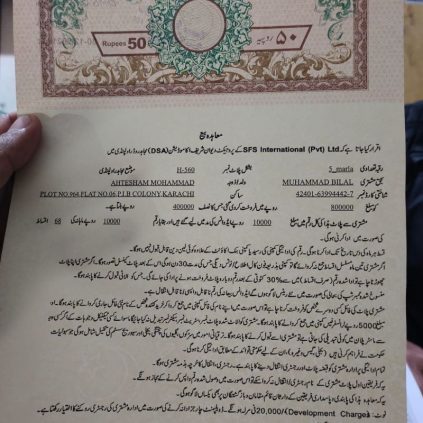
Why Urdu Legal Documents Collapse in English: Inside Sentence Stacking, Honorifics, and Implied Authority
If you’ve ever translated an Urdu legal document into English and felt something was “off,” you’re not imagining it. On paper, every word may be technically correct, yet the

When Politeness Becomes Vagueness: The Hidden Risk of Korean-to-English Literal Translation
Politeness is one of the strongest qualities of Korean business communication. It signals respect, professionalism, and social awareness. But when Korean politeness is translated literally into English,

Naver vs Google: What Korean Website Structure Teaches About English-First Localization
If your Korean website performs well on Naver but struggles internationally, the issue may not be your product—it’s your structure. Korean websites are built for a

How One Korean Sentence Can Become Three in English—and Why That Matters for Contracts
If you’ve ever compared a Korean contract with its English version and noticed that one compact sentence suddenly turns into three long clauses, you might wonder: Is this overtranslation? Is

From Webtoon to Website: What Korean Digital Content Teaches Us About English Localization
Korean digital content is some of the most engaging in the world. From Webtoons and mobile-first platforms to super-app ecosystems like Naver and Kakao, Korea