

Why Over-The-Counter (OTC) Label Translation Requires Medical-Level QA
Over-the-counter medicines are used by millions of people every day. From pain relievers and allergy tablets to cough syrups and antacids, these products are often

Why Cleaning Product Instructions Fail in Translation
Cleaning products are used every day in homes, schools, hospitals, and workplaces around the world. However, many people do not realize how difficult it is
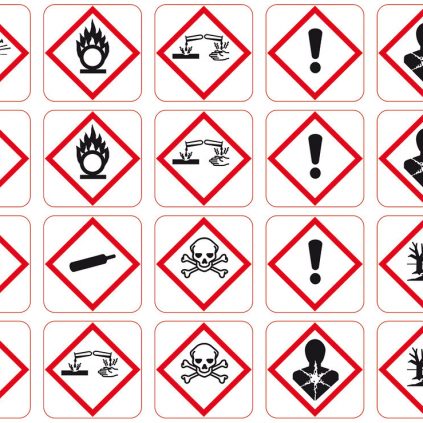
Translating Hazard Labels: A Compliance Guide for FMCG Brands
Fast-moving consumer goods (FMCG) brands operate in highly competitive global markets. From cleaning sprays and detergents to cosmetics and aerosol products, many FMCG items require

INCI vs Local Ingredient Naming: What Brands Must Know
The beauty and personal care industry is more global than ever. A skincare product made in South Korea may be sold in Europe, the United
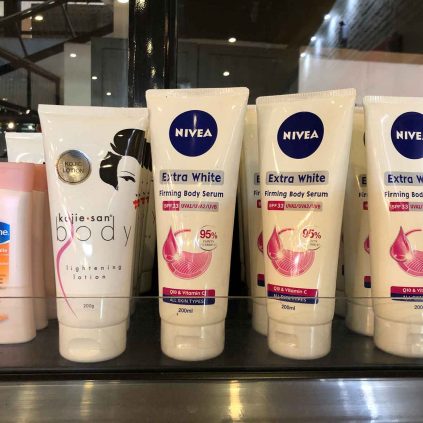
Why “Whitening” Can’t Be Translated Literally in Global Markets
The global beauty industry depends heavily on language. A skincare product launched in one country may later appear in stores across Asia, Europe, the Middle
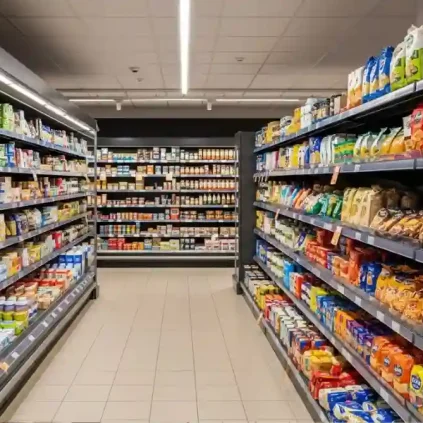
Ingredient Translation Pitfalls in FMCG Food Packaging
As FMCG food brands expand globally, packaging translation has become more important than ever. Consumers rely on ingredient labels to understand allergens, nutritional content, dietary
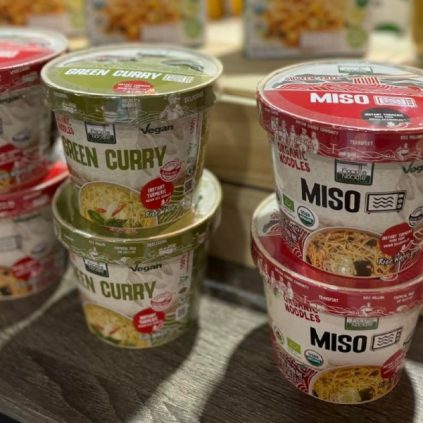
How to Localize Food Labels for APAC vs EU Markets
Why Food Label Localization Matters In the EU, food labeling is heavily harmonized under Regulation (EU) No 1169/2011, which sets general rules for food information to consumers. In

During Live Broadcasts: Where Interpretation Quality Influences Audience Clarity
Live broadcasts leave no room for error. Whether it’s breaking news, panel discussions, or public announcements, every word spoken is delivered in real time—and immediately consumed by audiences. Now

From Field Interviews to Published Reports: How Transcription Precision Shapes Media Output
Every published report starts somewhere—often in the field, where interviews are recorded in real time, sometimes in challenging conditions. Journalists, researchers, and content teams rely

Real-Time Interpretation in Bilingual Meetings: Where Meaning Gaps Affect Business Outcome
Business decisions are often made in moments—during meetings where ideas are exchanged, negotiations unfold, and strategies take shape. Now imagine those moments happening across two languages, Nepali