

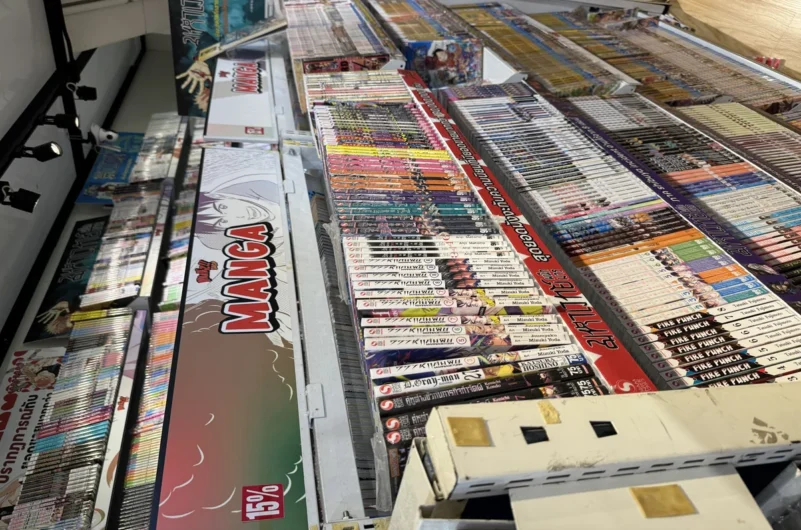
Most readers can sense when a manga in English feels slightly wrong, even if the translation is technically accurate. The gap often comes from genre conventions being flattened, so shonen reads like bland YA, or josei office drama sounds like a light teen romance. This is where Japanese Manga Translation becomes risky: when genre cues baked into the original are stripped away or misplaced during production.
Why genre conventions matter in manga translation
Genre in manga is a full communication system, not a shelving label. It dictates how gags land, how rivals talk, and how intimacy escalates across volumes. If translators treat everything as generic “manga localization services,” shonen catchphrases get sanded down, shojo interiority is cut short, and seinen workplace nuance turns into sitcom dialogue. Readers in the US, Australia, or Southeast Asia might not know the term for what’s wrong, but they’ll feel that the series doesn’t read like the genre they were promised.
How genre drift shows up on the page
On shonen titles, rivalry lines that should crackle with promise and threat are often rendered as safe self-help slogans. Jokes lose momentum when punchlines are rephrased differently volume to volume, despite clear repetition in Japanese. In shojo, editors sometimes pressure translators to trim introspection for pace, flattening character arcs into generic angst. Seinen and josei suffer when adult social registers collapse into one casual voice, or when sexual content is either neutered or overcranked, wrecking implied age ratings and tone.
These issues compound when teams rotate rapidly between demographics without time to reset. A translator jumping from a slapstick gag manga to a grim crime seinen may carry over habits unconsciously. Editors unfamiliar with genre history might push for a uniform “house style,” ignoring how localizing Japanese comic dialogue relies on register shifts, sentence endings, and honorific decisions. Letterers under deadline pressure often simplify sound effects too aggressively, dulling action beats and undercutting timing that’s crucial for comedy.
Structural causes behind mistranslated genre
The root problem is rarely one bad translator. Schedules are tight, style guides are generic, and upstream planning treats all titles like interchangeable content. Few pipelines budget time for genre-specific research, test pages, or consultation with readers steeped in anime translation techniques. In multilingual manga and anime projects, English sometimes becomes the pivot language, so any early misread of genre infects every subsequent edition. Once print volumes are locked, there’s limited room to correct tone without costly reprints or quietly patched digital files.
Early warning signs you may have a genre problem
Red flags surface quickly after release. Fans post side-by-side panels calling out “out-of-character” lines, or complain that a hard-edged seinen suddenly “reads like a kid’s comic.” Marketing teams struggle because the English tonality doesn’t match the Japanese imprint’s positioning. Internally, you’ll see notes asking translators to “punch this up” or “tone this down” in ways that contradict the source, or inconsistent treatment of honorifics, slogans, and key terms, despite clear best practices for manga translation.
When those symptoms appear together, a few line edits won’t fix them. You’re likely dealing with a systemic gap: lack of genre-specific briefs, no framework for genre-specific manga localization, and limited editing and QA for comics focused on tone rather than just typos. At that point, you need more than ad-hoc comic book translation tips or improvised professional manga localization. If your next season or print run is approaching, it’s worth pausing to review how character voice in anime subtitles, manga scripts, and specialized anime translation are handled across your catalogue. Before the next deadline hits, consider a structured audit of your workflows or a consultation with specialists who understand both translation and genre, so small tonal errors don’t snowball into expensive relaunches.