

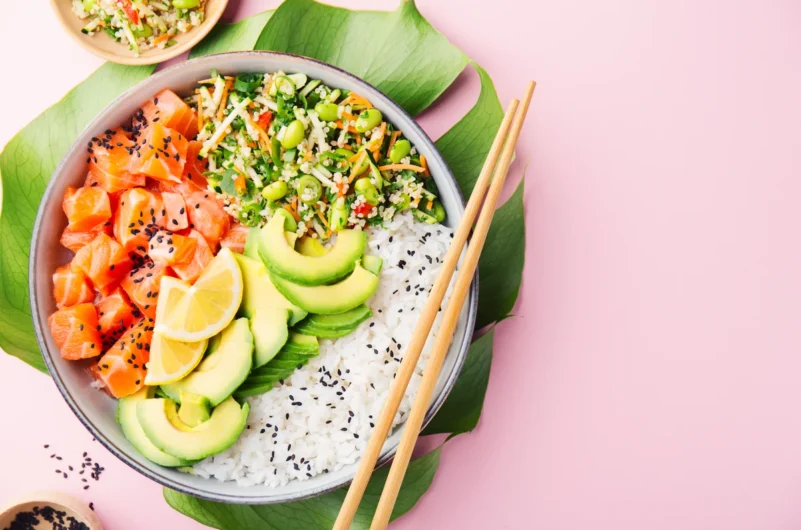
Menu translation has shifted from a cosmetic extra to a core part of running a serious hospitality venue. For US restaurants competing for tourists, expats, and multicultural locals, thoughtful restaurant menu localization can directly influence table spend, online reviews, and repeat visits. When guests can scan, read, and trust your menu in their own language, they’re far more likely to explore, order confidently, and recommend your venue.
1. Build trust and accuracy with professional menu translation
Relying on auto-translation for dish names and allergens is a liability, not a shortcut. Professional Food & Beverage Translation ensures ingredients, cooking methods, and portion descriptions are accurate in every language. That reduces guest confusion, covers you during disputes at the table, and supports staff who can’t explain every dish in multiple languages during a busy service. It also sets a more polished tone than clumsy, literal translations that undermine your brand.
2. Turn multilingual menus into a revenue driver
Well-written translated menus for international guests often lift average check size because diners feel safer ordering higher-priced items and add-ons. Clear descriptions of sauces, spice levels, and preparation styles encourage guests to try unfamiliar dishes instead of defaulting to the cheapest option. Smart operators pair culinary language services with basic menu engineering, highlighting hero dishes and profitable pairings in each language. The result is better guest experience and stronger margins, not just “nice-to-have” localization.
3. Avoid cultural missteps and brand damage
Mistranslations can move quickly from a quiet laugh at one table to a viral social post that lingers in search results. Effective food industry translation solutions don’t just convert words; they flag dish names, references, or idioms that fall flat or read offensively in other markets. That’s particularly true for brands expanding into Asia or Latin America, where humor, wordplay, and regional slang can be misunderstood. Catching those issues before printing menus or uploading PDFs saves costly reprints and reputational headaches.
4. Use tech-enabled menus without losing nuance
QR-based multilingual menus are now standard, but many restaurants simply plug text into generic translation apps. A better model combines specialized culinary translation support with a structured menu CMS, so languages can be updated quickly without rewriting everything from scratch. This approach respects real operational limits, like tight seasonal changeover windows and limited in-house language skills. It also keeps formatting consistent across devices, which matters when your ticket times depend on guests deciding quickly and correctly.
5. Extend localization beyond dishes to marketing and compliance
Serious global restaurant menu adaptation doesn’t stop at the food list. Specials boards, wine flights, kids’ menus, and localized beverage list translations all influence how inclusive your venue feels. Hospitality-focused language solutions can also support regulatory-safe food label wording on packaged items, takeaway, and delivery platforms, where allergen mistakes have legal consequences. For multi-location groups, end-to-end food translation services help central teams control brand voice while giving local markets space to adapt campaigns.
- You’re fielding the same clarification questions about dishes from overseas guests every night.
- Your online reviews mention confusing or “funny” English on printed or digital menus.
- Front-of-house staff are improvising translations at the table, especially around allergens.
- You’re expanding into new cities or tourist hubs without a clear multilingual menu plan.
- You’re planning a rebrand and want food sector multilingual content handled by specialists, not generic copywriters.
If any of these sound familiar, it’s a sign you’ve outgrown ad hoc translation and need structured restaurant menu localization support. A specialist partner can map your real service constraints, from chef sign-offs to POS limitations, then design workflows that won’t derail pre-service prep or menu rollout timelines. To discuss how professional culinary language services can support your venue, book a short consultation with our team and get a tailored quote for your next menu cycle.