

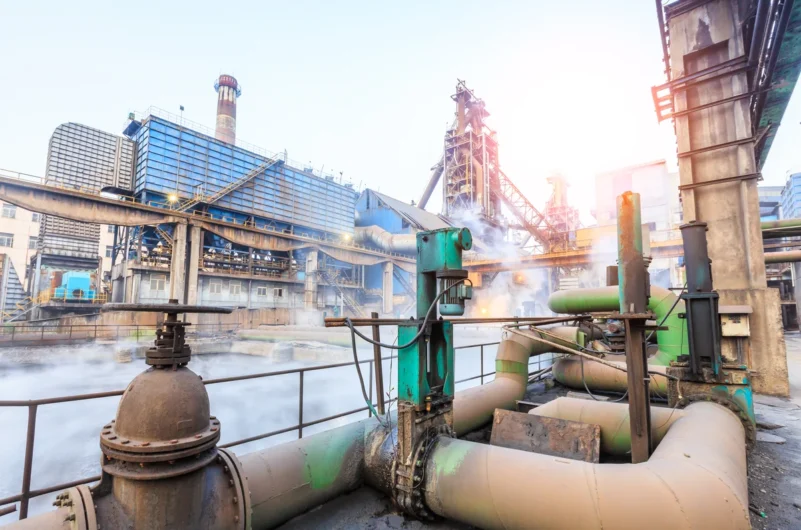
Utility translation services are quietly reshaping how energy and water providers control risk, manage outages, and keep regulators off their backs. As utilities expand across states and serve increasingly multilingual communities, misaligned documentation and customer communications turn into real operational costs. From field crews in remote substations to urban call centers handling billing complaints, accurate language support is starting to matter as much as hardware upgrades.
1. Technical accuracy keeps assets online
One mistranslated line in a switching procedure can stall a substation, delay commissioning, or trigger an avoidable safety incident. Utilities relying on generic technical translation services often discover inconsistencies across SCADA guides, relay settings, and work instructions only after something goes wrong. Working with linguists who understand protection schemes, outage windows, and Energy Sector Translation standards gives engineers confidence that multilingual energy documents match the English originals under real operating pressure.
2. Clear customer communication lowers complaints
High call volumes around tariff changes or bill redesigns often trace back to unclear translations rather than complex pricing. When statements, outage SMS alerts, and hardship program letters are written and reviewed as multilingual utility documentation, customers are less likely to escalate to the public utilities commission. For large urban service territories, consistent energy industry localization across paper bills, email notices, and mobile apps can be the difference between a manageable spike in calls and a reputational mess.
3. Compliance and safety messages can’t afford ambiguity
States like California and New York expect critical notifications to be just as precise in Spanish, Chinese, or Korean as they are in English. That includes shutoff warnings, wildfire-related PSPS notices, and water contamination alerts. Providers need localized energy compliance content with legal sign‑off, version control, and tight terminology management so disconnection thresholds, dates, and appeal rights match word‑for‑word. This kind of regulated energy document translation is slower than quick-turn marketing copy, but shortcuts usually surface in front of regulators, not reviewers.
4. Shared terminology stabilizes project delivery
Grid interconnection projects already juggle OEM documentation, EPC schedules, and utility standards; translation chaos shouldn’t be another variable. Without a controlled glossary for relays, interlocks, and test sheets, teams waste days reconciling wording across multilingual power plant manuals and FAT reports. A realistic workflow uses translation memories aligned with technical energy sector translation practice, plus engineer review on first-of-a-kind assets. It’s not perfect, but it cuts rework and keeps commissioning meetings focused on punch lists instead of vocabulary.
5. Digital channels need real localization workflows
Customer portals and outage maps change weekly, yet many utilities still email screenshots to translators and hope for the best. That approach breaks as soon as product teams ship on two-week sprints. Structured pipelines with string repositories, staged QA, and specialized energy translation support let UX writers and engineers publish consistent localized HSE training content alongside localized renewable energy materials and mobile UI text. The constraint is usually internal approvals, not linguists, so aligning legal, compliance, and product upfront makes every release less painful.
- Reduced outage risk through aligned technical procedures across languages
- Lower call center load from clearer multilingual billing and outage notices
- Stronger compliance posture with tightly controlled safety and regulatory content
- Faster project delivery via shared term bases and translation memories
- More reliable app and portal releases supported by continuous localization workflows
If your teams are already firefighting translation issues in audits, incident reviews, or customer forums, treating utility translation services as a core operational process is overdue. A focused partner can audit your current multilingual content, prioritize high‑risk areas, and design a workflow that respects real outage windows and approval chains. To see what that looks like in practice, line up your engineering, customer ops, and regulatory teams for a short consultation and map the next set of documents that genuinely need expert support rather than ad hoc fixes.