

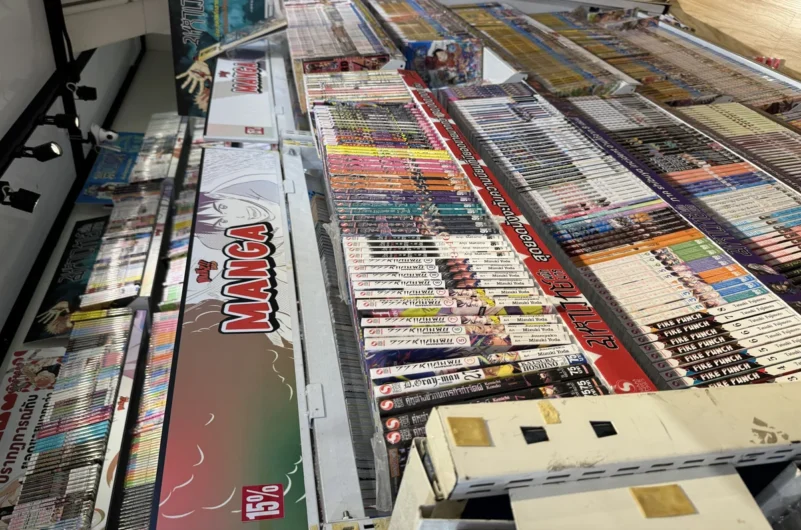
How to Adapt Manga for Global Markets: A Step-by-Step Guide is no longer a niche question but a core publishing strategy as English-speaking audiences expect day-and-date releases and clean reading experiences. For publishers and studios, the real challenge isn’t just translation; it’s building repeatable comic and manga translation workflows that protect schedules and sales while keeping fans onside. The seven steps below outline a practical roadmap for teams aiming to scale without sacrificing character voice or visual impact.
1. Lock in rights, regions, and release formats early
Before a single script pass, confirm territorial rights, digital platforms, and which content ratings you’re targeting in North America, the UK, or Southeast Asia. A single “global” version rarely survives retailer reviews, especially when Apple Books and Google Play apply different thresholds around sexual content and gore. Decide which edition is your master, then map redraws, mosaics, and revised dialogue as controlled variants. This upfront clarity prevents last-minute re-approvals and keeps global-ready comic book scripts aligned across print and digital.
2. Build a relay team, not a lone translator
High-performing manga localization services typically rely on a relay of specialists: rights and production, translator, adapter, localization editor, proofreader, sensitivity reader where needed, and a typesetter who understands visual constraints. Shōnen, BL, and horror each demand distinct instincts, especially around character voice in manga adaptation and genre tropes. Treating adaptation as a team sport means you can rotate staff without losing continuity, and you’re less likely to stall a simulpub schedule when one contributor gets overloaded mid-arc.
3. Prioritize character voice, then tune cultural context
Literal accuracy is the baseline; what keeps readers engaged is consistent voice and tone. Decisions about honorifics, school hierarchies, and borrowed slang sit at the heart of Japanese Manga Translation, particularly when Australian or US readers already know fan terminology from scanlations. A solid adapter will choose when to compress wordy jokes, when to pivot to Western equivalents, and when a brief margin note beats a clunky line. This is where anime translation techniques and best practices for anime dialogue translation often cross-pollinate with print.
4. Respect the artwork and page-level constraints
Panel composition, balloon shapes, and reading direction all restrict how verbose you can be in English without smothering the art. Skilled typesetters plan for visual SFX across manga and comics, choosing whether to redraw, overlay, or retain Japanese with discreet gloss text depending on budget and timeline. Long exposition may need splitting across balloons or trimmed at edit level, not in Photoshop at 2 a.m. Clear layout specs from the start keep professional manga localization workflows predictable and less stressful for art teams.
5. Anticipate regional content rules and retailer sensitivities
Regulatory expectations around minors, alcohol, and sexualization vary sharply between Australia, the US, Germany, and markets such as Singapore or Indonesia. Even when something passes legal review, major retailers can still reject or quietly suppress visibility. Teams that treat content edits as part of planning, not panic, maintain better schedules and avoid public rollbacks. This is also where cultural nuance in anime localization intersects with legal risk, especially for school-set romances, hot springs episodes, and graphic fantasy violence.
6. Keep print, digital, and promo materials consistent
Readers quickly notice when a character’s name, attack phrase, or tagline changes between volumes or streaming tie-ins. Shared glossaries, pronunciation notes, and compact comic book translation tips help marketing and social teams avoid introducing off-brand variants mid-campaign. For weekly chapters, build at least a modest buffer; true zero-margin simulpubs are where typos, broken fonts, and misaligned SFX creep through. Structured quality checks for localized manga protect not just one title but your broader label reputation with retailers and fans.
7. Use reader feedback to refine future volumes
Post-launch, serious teams watch retailer reviews, Discord servers, and Reddit threads, not for approval but for patterns. Consistent complaints about stiff dialogue, censored panels, or mistranslated power systems often point to gaps in your internal style guide or overworked adapters. Treat this feedback as input for the next volume rather than redoing entire releases. When handled well, it becomes a live reference for improving comic and manga translation workflows, especially as you scale into new genres or more experimental series.
- Clarify global rights, age ratings, and platform constraints before commissioning translation.
- Use a specialist relay team to protect voice, accuracy, and on-sale dates.
- Document terminology and jokes to keep spin-offs and marketing aligned.
- Budget realistically for redraws, SFX handling, and multi-region approvals.
- Review fan feedback methodically to upgrade processes, not just patch errors.
If you’re planning new serial acquisitions or want to overhaul your current manga catalog, consider partnering with a team experienced in anime translation techniques, print constraints, and retailer compliance. A short discovery call is usually enough to map where your pipeline is leaking time or quality. Speak with a specialist today to review your upcoming slate and design a practical, volume-ready adaptation workflow that fits your schedule and budget.