

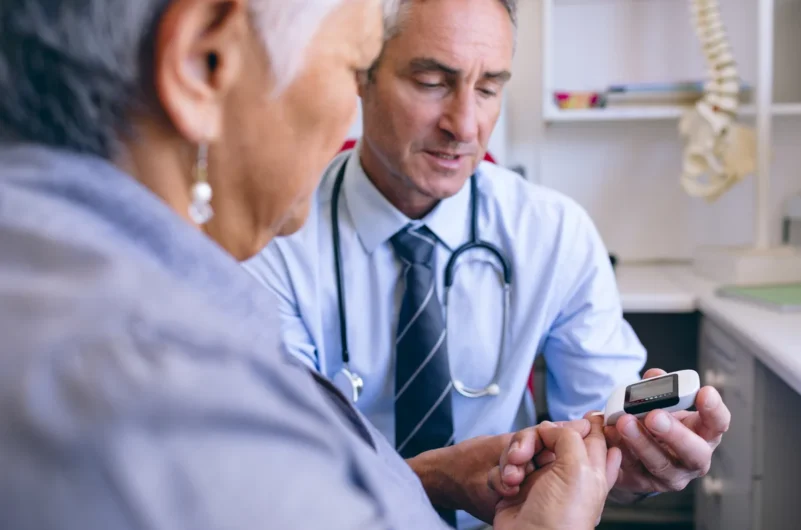
The impact of translation quality on patient outcomes is no longer theoretical. Across North America and Europe, studies now tie language barriers to avoidable clinical risk, from missed diagnoses to preventable readmissions. For hospital executives, clinical leaders, and research sponsors, the core question isn’t whether to translate, but how to choose models that protect patients while keeping workflows realistic.
The Impact of Translation Quality on Patient Outcomes
High-stakes decisions depend on precise communication, and small errors can cascade. Misinterpreted discharge instructions, incorrectly translated consent forms, or ambiguous dosing guidance all raise the likelihood of adverse events. When patients receive language-concordant care, data shows shorter hospital stays, better pain control, and fewer complications. That’s where Medical & Pharmaceutical Translation stops looking like a support function and starts behaving like clinical infrastructure: governed, audited, and tied into risk management rather than left to ad hoc solutions.
Comparing Core Language Access Models in Clinical Settings
Healthcare providers typically combine four approaches: professional interpreters (in person or remote), fully human-written translations, machine translation with human post-editing, and unreviewed machine output or informal interpreting by staff or family. Evidence consistently ranks trained medical interpreters and language-concordant clinicians highest for communication quality, especially in emergency, ICU, and oncology settings. By contrast, unreviewed tools or “bilingual staff” workarounds tend to fail when documentation becomes technical, as in clinical trial translation or complex comorbidity discussions. The right mix often varies by department, acuity, and language mix.
Where Machine Translation Works—and Where It Creates Risk
Machine systems have a place, but only when risk is controlled. They’re most useful for high-volume, lower-stakes content such as staff FAQs, internal reference guides, or early drafts of localized healthcare patient materials. Once content touches diagnosis, dosing, consent, or device operation, hospitals and sponsors increasingly require expert review by medical linguists. ICU discharge letters, oncology protocols, or multilingual clinical trial documentation usually run through structured, compliant pharmaceutical translation workflows rather than quick fixes. The operational challenge is balancing turnaround times with governance so urgent cases don’t fall back to unsafe shortcuts.
- Use professional medical interpreters for emergencies, perioperative care, and consent discussions.
- Assign healthcare document localization to qualified medical translators, not generic language vendors.
- Reserve unreviewed MT for non-clinical internal content where residual risk is acceptable.
- Apply secure multilingual healthcare documentation processes for anything entering the medical record.
- Build hospital healthcare content localization playbooks that define who approves what, and on what timelines.
Life sciences teams face similar choices. Pharma and medtech sponsors often rely on end-to-end clinical trial language support, combining specialist linguists, terminology management, and back-translation for high-risk texts. That’s especially true for regulated pharma content localization, where a mistranslated contraindication can trigger audits or litigation. Marketing and patient engagement teams may use pharmaceutical language services for labeling, apps, and videos, reserving specialized pharmaceutical translation support for safety-critical material and local regulatory submissions.
If you’re reassessing how language access affects outcomes, start by mapping where errors would carry the heaviest clinical, legal, or reputational impact. From there, align each content type with an appropriate control level: from fully human workflows for patient safety leaflets to lighter-touch support for staff newsletters. For organisations unsure whether their current mix is adequate, speaking with a specialist in Medical & Pharmaceutical Translation can clarify trade-offs, benchmark your processes, and help redesign high-risk touchpoints before the next incident forces the issue.