

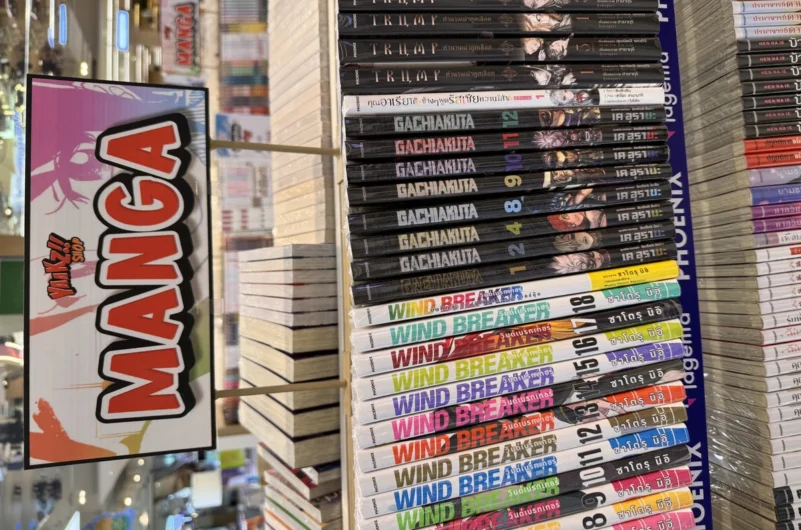
Creating successful manga typesetting and layout design is rarely just about dropping text into speech balloons. For English-language releases, the real challenge is preserving timing, emotion, and visual rhythm without fighting the original artwork. Readers notice instantly when dialogue feels cramped, effects are awkwardly placed, or fonts clash with the tone of the story.
Manga typesetting as part of Japanese Manga Translation
In any serious Japanese Manga Translation project, typesetting sits between script adaptation and pre-press, and it often exposes weaknesses in both. If the English script is too wordy, balloons become crowded and the page loses its pacing. If cultural references aren’t adapted with care, the lettering has to compensate, usually with clunky notes or intrusive text. Effective teams align translators, editors, and letterers early, agreeing on line lengths, tone, and where to preserve or adapt visual text elements.
Choosing typography that supports visual storytelling
Type choices can strengthen or undermine visual storytelling in manga typesetting. Dialogue usually benefits from clean, neutral fonts that stay out of the way, while inner monologue and narration can use subtle variations to signal shifts in voice. Letterers working with manga localization services often maintain a library of fonts mapped to specific genres—romance, horror, shounen action—so the aesthetic is consistent across volumes. Overly decorative faces belong mostly in titles, signs, or reinforced sound effects, not in dense dialogue where readability is non-negotiable.
Panel flow, balloons, and sound effects
Good layout decisions respect the original reading flow, even in flipped or reoriented editions. Letterers aim to guide the eye intuitively through panels, avoiding tangles of tails and stacked balloons that force re-reading. When localizing sound effects in comics, teams weigh three options: full redraw and replacement, subtitling near the original effect, or leaving it untouched and relying on context. Each has trade-offs in cost, clarity, and visual integrity. Action-heavy series tend to justify full redraws; quieter slice-of-life titles may work with lighter-touch solutions.
- Plan a professional manga localization workflow that locks scripts before heavy typesetting begins.
- Use best practices for manga lettering, such as consistent leading, margins inside balloons, and limited font mixing.
- Apply anime translation techniques for timing-sensitive dialogue, especially in action or comedy sequences.
- Document comic book translation tips internally so multiple letterers can work on a long-running series without style drift.
- Run quality control for localized manga with checklists covering text overflow, misaligned balloons, and missing effects.
Cross-language comic book localization always involves compromise between authenticity and readability. Culturally accurate manga translation may replace a pun on a Japanese snack brand with a different joke that fits the character’s personality rather than literal meaning. Visual constraints are real: long English phrases often have to be surgically edited to fit tiny signage or background gags. Teams that understand visual storytelling in manga typesetting bake these restrictions into their scripting process instead of expecting letterers to fix everything at the last minute.
Studios that treat typesetting as a craft, not an afterthought, consistently deliver cleaner, more engaging releases. Advanced anime dialogue translation paired with disciplined layout choices keeps emotional beats intact and artwork unobstructed. If you’re weighing different manga localization partners, compare how they handle fonts, SFX strategy, and review cycles—not just translation samples. When you’re ready to map out options and constraints for your series, speak with a specialist who can walk you through realistic timelines, costs, and style guidelines before production starts.