

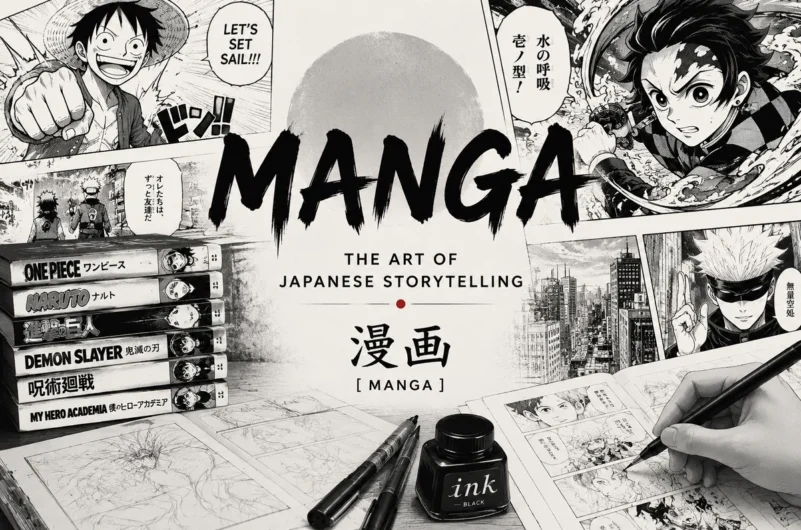
Multilingual manga translation is no longer a niche exercise; it’s a strategic content play for publishers that want genuinely global reach. When handled with rigor, it becomes a long-tail asset that keeps monetising backlists and new series across markets, rather than a one-off cost centre. The shift from fan translations to structured, rights-controlled workflows has raised expectations around accuracy, tone, and release cadence, particularly across North America, Europe, and Southeast Asia.
Treat every translated volume as an origin product in its own right, not a secondary derivative of the Japanese edition.
Multilingual Manga Translation as a Strategic Asset
Handled properly, multilingual manga translation aligns release windows, franchise planning, and licensing negotiations. Simultaneous or near-simultaneous launches reduce piracy incentives and keep social discussion unified across languages. In practice, this requires capacity planning, staggered handoffs, and contractual clarity with translators and letterers, not just good linguistics. Publishers treating translation as a late-stage production task routinely find themselves missing peak demand created by anime adaptations or seasonal marketing pushes.
Operational Realities Behind Effective Localization
Serious publishers rely on structured manga localization services rather than ad-hoc freelancer pools. A typical professional manga localization workflow spans script extraction, translator pass, cultural review, editorial line edit, and lettering with fit checks for cramped panels and vertical text. Localising comic and manga sound effects is often the most technically constrained step, because space is fixed and art edits may be restricted by licensors. Without clear editorial guidelines for manga localization, teams lose time on avoidable back-and-forth about honorifics, profanity levels, and typography.
Voice, Consistency, and Cross-Media Constraints
The hardest part isn’t vocabulary, it’s preserving character voice across arcs, spin-offs, and anime tie-ins. Character-consistent comic translation strategies need style bibles that log register, speech quirks, and relationship dynamics, updated as the series matures. When an anime airs first in a market, best practices for anime dialogue translation can quietly dictate fan expectations for tone and key catchphrases. If Japanese Manga Translation choices ignore those expectations, you create jarring dissonance between page and screen that erodes long-term fandom loyalty.
Forward-looking teams think beyond single territories and treat multilingual comic book localization as a portfolio decision. Titles that overperform in French or Indonesian, for example, may justify accelerated release schedules or experimental digital-first editions elsewhere. High-quality manga translation for publishers isn’t about perfection; it’s about predictable quality, transparent trade-offs, and realistic throughput. That means saying no to impossible day-and-date schedules, documenting anime translation techniques that do and don’t port well to print, and capturing comic book translation tips in post-mortems instead of losing them in email threads.
Cross-cultural anime and manga adaptation will only grow more complex as platforms push for simultaneous global drops and fans expect frictionless access. If your current process feels improvised, it’s time to audit your pipeline, codify standards, and stress-test schedules against real production constraints. Speak with your localisation partners, review recent series where feedback spiked, and decide where to invest first: editorial capacity, workflow tooling, or territory-specific expertise. Treat translation as a recurring strategic review topic, not an isolated production checkbox.