

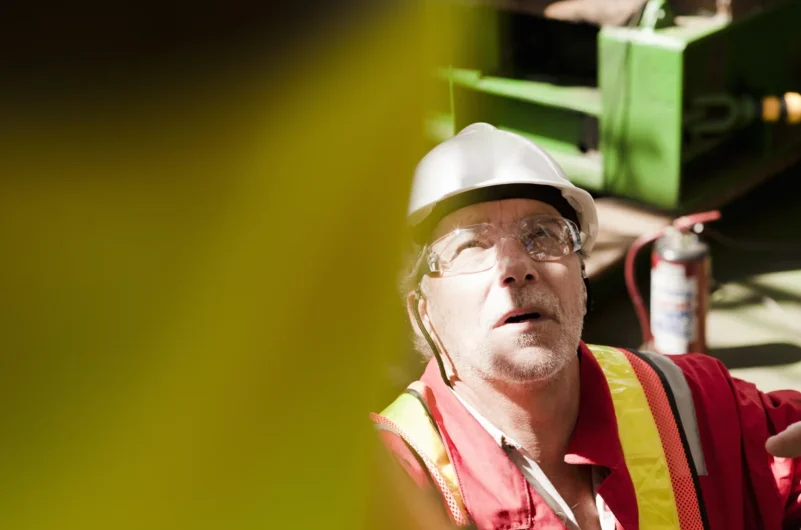
US energy projects live and die on documentation. When engineering specs, operating manuals, and safety procedures cross borders, the risk profile changes fast. Misaligned units, mistranslated IEC or ISO references, or unclear lockout/tagout steps can stall commissioning and invite regulatory scrutiny. That’s where disciplined Energy Sector Translation shifts from nice-to-have to project insurance.
1. When safety language is open to interpretation
If your project spans English, Spanish, and Portuguese, “good enough” translations of multilingual HSE training materials can create three versions of the same rule. Look closely at incident reports or near-miss data after a new plant start-up; inconsistent terminology around confined spaces or arc-flash boundaries is a red flag. Specialist providers stress-test safety wording with technical energy translation experts and in-country reviewers so labels, work instructions, and permits-to-work read the same way on every site.
2. When standards and codes don’t survive translation
IEC 61850, NFPA 70E, ISO 50001, local grid codes—these references are easy to corrupt when non-specialist vendors handle technical translation services. If your redlines show standards numbers altered, abbreviations “fixed,” or references mistracked between source and target, you’ve got a compliance problem. Energy sector technical translators maintain termbases tied to specific standards, so cross-references, annex labels, and clause numbering remain audit-ready across all multilingual energy documents.
3. When localization hits real-world constraints
On SCADA interfaces, field HMI screens, or handheld maintenance apps, space is tight. Long translated strings can break buttons or truncate alarms, especially with energy industry localization into German or Vietnamese. Experienced teams run pseudo-localization and character-count limits, then coordinate with your UI owners. The goal is localized energy documentation and on-screen text that fits actual layouts, not just linguistically correct exports from a CAT tool.
4. When contracts, specs, and field manuals diverge
EPC leaders often discover too late that the contract language, OEM datasheets, and multilingual power plant manuals don’t match, undermining warranty terms and performance guarantees. If your teams are manually tracking glossary choices in spreadsheets, it’s time to bring in a provider that centralizes terminology and runs bilingual QA. Done well, oil and gas document translation, OEM manuals, and grid-connection specs all reference the same controlled vocabulary and units.
5. When regulatory or investor scrutiny is rising
Cross-border renewable portfolios attract regulators, lenders, and insurers who all demand clear, consistent documentation. That’s when you need compliant translation for energy projects that can withstand legal discovery and regulator review, not just pass a spot check from a bilingual engineer. A good partner will show you their review chain, from engineer-linguists to legal reviewers, and how they handle renewable energy content localization under tight COD timelines.
- You’re tracking multiple glossaries across projects and can’t confirm which one is current.
- Field teams request “unofficial” translations to fix confusing procedures.
- Delays in translated as-built documentation hold up handover and milestone payments.
- Regulators or lenders have flagged discrepancies between language versions of key documents.
- Your current vendor can’t show energy-focused QA workflows or engineering-qualified reviewers.
For US-based utilities, EPCs, OEMs, and developers facing these issues, bringing in a specialist isn’t a luxury—it’s risk control. Talk to a provider that treats Energy Sector Translation as a technical discipline, can show live examples of grid code projects, and is willing to pilot one package set before scaling. A short discovery call to map your documentation flows, review standards in scope, and test a sample translation will quickly show whether they can keep your next project off the critical-issues list.