

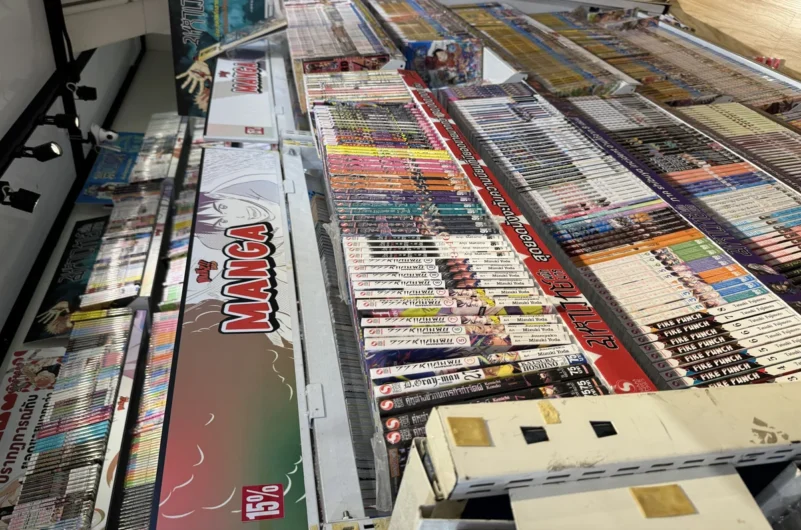
Understanding How Manga Localization Is Changing for US Readers
Readers in the US now expect far more than literal script conversion. They want Japanese Manga Translation that preserves voice, humour, and emotion while still feeling grounded in Japanese culture. That means handling jokes, references, and on-page text so nothing feels stiff, censored without reason, or out of character. When a localisation team is transparent about its choices and explains how it balances accuracy with readability, readers quickly gain confidence in the series and the publisher behind it.
Global readers don’t just want to “understand the plot”; they want to feel the same impact Japanese readers do, page by page and panel by panel.
What Really Matters When Choosing Manga Localization Services
For US releases, trust is built when a team shows it understands age ratings, school library expectations, and major retailer policies without stripping out the creator’s intent. Reliable manga localization services will discuss content flags early, outline how they’ll handle profanity, fanservice, and violence, and confirm alignment with MPAA-style guidelines where relevant. A good partner is honest about limits too; some titles may always sit outside certain school or public library catalogues, and that’s better clarified at the start than during a last‑minute compliance review.
Editors and translators also need clear positions on honourifics, food terms, and cultural notes. When those decisions are documented, rather than improvised chapter by chapter, readers notice the consistency and feel less anxious about “what’s being changed” behind the scenes.
Balancing Authenticity With Accessibility in Every Panel
The strongest best practices for manga adaptation favour a hybrid approach. Key cultural markers such as -san or -kun, festival names, and regional dishes are usually kept, but supported with natural context or light-touch notes. That keeps the setting recognisably Japanese while reducing friction for new readers. Teams that are open about their approach to localizing anime-style dialogue, rather than hiding it, tend to earn long-term trust from both hardcore fans and curious newcomers.
Inside Professional Manga Localization Workflows
Behind each volume sits a practical, sometimes messy process that experienced teams aren’t afraid to describe plainly. Professional manga localization workflows typically include raw script translation, editorial adaptation, lettering, and at least one legal or compliance pass for sensitive topics. On digital simul‑pubs, that might all happen within two to five days of the Japanese chapter going live, so reliable scheduling and realistic page counts matter more than slogans about speed.
Trust grows when a provider can walk you through file formats, handoffs, and review cycles in detail, from terminology consistency in comics localization to global-ready manga lettering that respects original sound effects while staying legible on smaller US devices.
How Quality Control Protects Creators, Publishers, and Fans
Readers notice when a publisher invests in quality control for localized manga instead of relying on a single overworked translator. A robust process includes second-pass editing, sensitivity checks for social issues, and spot reviews of visual storytelling in translated manga to ensure jokes, reveals, and emotional beats still land. Teams also address practical limits: not every sign can be perfectly relabelled, and some puns simply won’t survive; explaining these trade-offs with clear comic book translation tips builds credibility instead of suspicion.
For long-running series, cross-cultural comic translation strategies and consistent anime translation techniques reduce continuity errors that frustrate loyal fans. If you’d like to see how this could work for your catalogue, our team is ready to walk you through sample pages, discuss risk points, and recommend the most reliable approach to your next adaptation.
Ready to adapt your series for global readers with confidence? Talk with our team about your options, timelines, and the best localisation model for your catalogue so you can focus on creating while we handle the rest.