

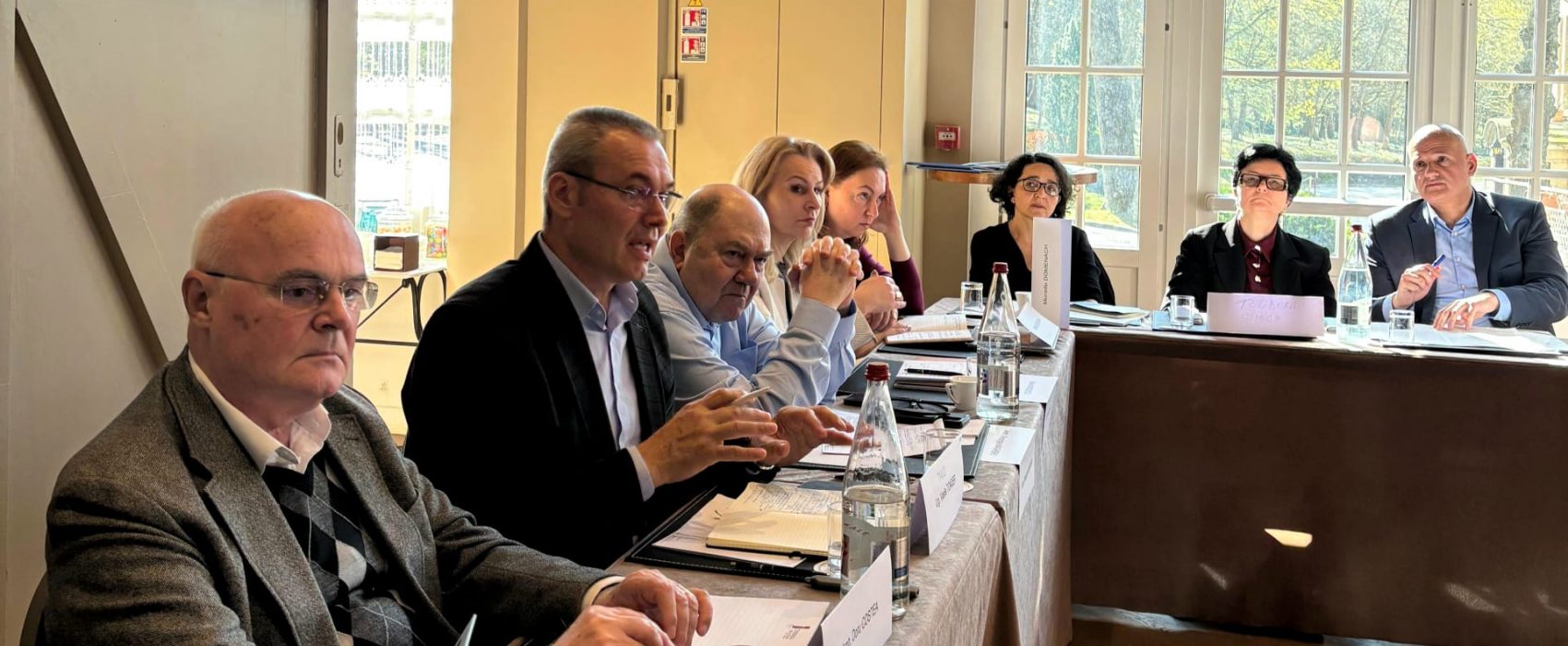
Executive strategy sessions can move fast. Leaders discuss revenue targets, market expansion, partnerships, hiring priorities, product timelines, risk, budgets, and competitive threats—sometimes all in one meeting. When the conversation includes both French and English speakers, the challenge becomes even bigger. A CEO may present a market concern in English, a regional director may respond in French, and a finance lead may clarify figures using both languages. By the end of the meeting, everyone may feel aligned, but what was actually decided?
That is where structured French–English transcription becomes essential. A raw transcript captures the conversation, but executives rarely have time to read pages of dialogue. They need clear summaries, decisions, owners, deadlines, risks, and next steps. A well-structured bilingual transcript turns a long recording into a business-ready document that supports follow-through. It helps teams avoid the classic problem: “We talked about it, but nobody knows who owns it.” This article explains how French–English transcripts can be structured for executive teams, why action summaries matter, and how businesses can turn multilingual strategy sessions into practical outputs.
Why Raw Transcripts Are Not Enough for Executives
A raw transcript is useful, but it can be messy. It may include small talk, repeated points, unfinished sentences, side comments, and long explanations. For executives, that creates a problem. Leaders need clarity quickly. They want to know what was decided, what remains unresolved, who is responsible, and what needs attention before the next meeting.
In bilingual strategy sessions, a raw transcript can be even harder to review. The document may contain French, English, code-switching, technical terms, and regional business references. Without structure, important decisions may be buried inside long paragraphs.
A strong French–English transcript should therefore include two layers: the complete conversation record and an executive-ready summary. The full transcript supports accountability and reference. The action summary supports decision-making and follow-through.
The Value of French–English Transcription in Strategy Meetings
Strategy meetings often involve high-stakes decisions. A business may be planning expansion into France, Canada, West Africa, the UK, or other international markets. Teams may discuss localization, product positioning, legal risks, supply chains, regional hiring, customer support, and marketing adaptation. When languages mix, transcription helps preserve details that might otherwise be forgotten or misunderstood.
French–English transcription gives leadership teams a shared record. It reduces confusion when participants remember a discussion differently. It also supports team members who were not present but need to understand the outcome. This is especially valuable for remote and hybrid organizations where executives, managers, and regional teams collaborate across time zones.
For example, a French-speaking market lead may explain why a campaign message will not work in a local region. If that insight is captured clearly, the marketing team can adjust the campaign instead of repeating the mistake. If it is buried in an unclear recording, the lesson may be lost.
Structuring the Transcript Around Business Priorities
Executive transcripts should not be organized only by time. They should also be organized by business priority. A strategy session may cover growth, finance, operations, hiring, product, legal, and customer experience. Grouping transcript sections by topic makes the document easier to use.
A practical structure may include an opening summary, key decisions, action items, risks, unresolved questions, topic-by-topic discussion notes, and the full transcript. This allows different readers to use the document in different ways. A CEO may read only the decision summary. A project manager may focus on action items. A legal advisor may review the risk section. A department head may read the full discussion related to their team.
This structure turns the transcript from a passive record into an active management tool. It becomes less like a storage box and more like a dashboard.
Turning Dialogue Into Decisions
One of the hardest parts of strategy transcription is identifying decisions. Meetings often include ideas, suggestions, objections, and tentative agreements. Not every strong statement is a final decision. A good action summary separates what was discussed from what was approved.
For French–English meetings, this distinction is especially important because levels of certainty may be expressed differently. A French phrase may signal cautious agreement, while an English listener may hear it as full approval. A professional transcript summary should avoid overstating decisions. It should use clear labels such as “approved,” “proposed,” “pending,” or “requires follow-up.”
For example, “The team discussed expanding the pilot into Quebec” is not the same as “The team approved expansion into Quebec.” That difference matters for budgets, staffing, and accountability. Clear transcription protects executives from acting on assumptions.
Creating Action Items That Drive Follow-Through
Action items are the heart of an executive summary. A strong action item includes the task, owner, deadline, context, and dependency. Weak action items create confusion. “Follow up on market research” is vague. “Marie to send updated French market competitor analysis to the leadership team by Friday” is useful.
French–English transcripts should capture action items in a consistent format. This helps teams move from discussion to execution. If the meeting includes both French and English speakers, the action item should use the working language of the team or provide bilingual clarity when needed.
A practical action item table may include:
- Action item
- Owner
- Supporting discussion
- Deadline
- Priority
- Status
- Related department
This structure makes it easier to transfer tasks into project management tools, CRM systems, board reports, or internal dashboards.
Handling Terminology, Names, and Market-Specific Details
Executive meetings often include names, numbers, acronyms, product terms, legal references, and market-specific details. These details must be captured accurately. A mistaken number, region, or product name can create real business problems.
French–English transcription should use a glossary when possible. Key terms such as market names, internal departments, product features, legal entities, customer segments, and financial metrics should be standardized. This is especially important when one term has different meanings across countries. For example, “turnover” may refer to revenue in some contexts and employee attrition in others. In French business discussions, terms like “chiffre d’affaires,” “marge,” or “appel d’offres” need careful handling.
Accurate terminology keeps the transcript useful for leaders who were not in the room. It also helps prevent misunderstandings when summaries are shared across departments.
Translating Context, Not Just Words
Executives do not only need words. They need context. A French-speaking regional manager may explain that a certain message sounds too aggressive in a local market. The literal words may be clear, but the business meaning is deeper: the campaign may need cultural adaptation before launch.
A strong transcript summary should capture these implications. It should identify when a comment affects strategy, risk, customer experience, or market execution. This does not mean adding opinions. It means preserving the business relevance of what was said.
For example, instead of simply transcribing, “The French wording may not work,” the summary may note: “Localization risk identified: current French campaign wording may sound too direct for the target audience; marketing team to review alternatives.” That turns conversation into action.
Best Practices for Executive-Ready French–English Transcripts
Businesses can improve transcript quality by preparing before the meeting. Share the agenda, participant names, acronyms, product names, market references, and preferred terminology. Record the meeting with good audio quality and ask participants to avoid speaking over each other when possible.
After transcription, structure the output clearly. Start with the executive summary, then key decisions, action items, risks, open questions, and full notes. Use plain language. Keep summaries concise but specific. Identify uncertain sections instead of hiding them. If a decision was unclear, mark it as pending confirmation.
This approach gives executives a document they can actually use. It respects their time while preserving the detail needed for accountability.
Conclusion
French–English transcription helps executive teams turn recorded strategy sessions into clear, actionable business records. In multilingual meetings, the risk of misunderstanding is real. A comment may be interpreted too broadly, a decision may be remembered differently, or an action item may disappear into a long recording. Structured transcripts solve that problem by preserving the conversation and translating it into decisions, responsibilities, risks, and next steps.
For businesses working across French- and English-speaking markets, this is more than documentation. It is a leadership tool. Accurate transcripts help teams align faster, execute with confidence, and keep international strategy moving. When the transcript is structured well, executives do not need to dig through hours of dialogue. They can see what matters, who owns it, and what happens next. That clarity turns meetings from discussion into momentum.
FAQs
- Why do executive teams need structured transcripts?
Structured transcripts help leaders quickly review decisions, action items, risks, and unresolved questions without reading long raw dialogue.
- What should a strategy-session transcript include?
It should include an executive summary, key decisions, action items, risks, open questions, topic notes, and the full transcript if needed.
- Why isFrench–Englishtranscription useful for strategy meetings?
It preserves multilingual discussion accurately and helps teams avoid misunderstandings across markets, departments, and leadership groups.