

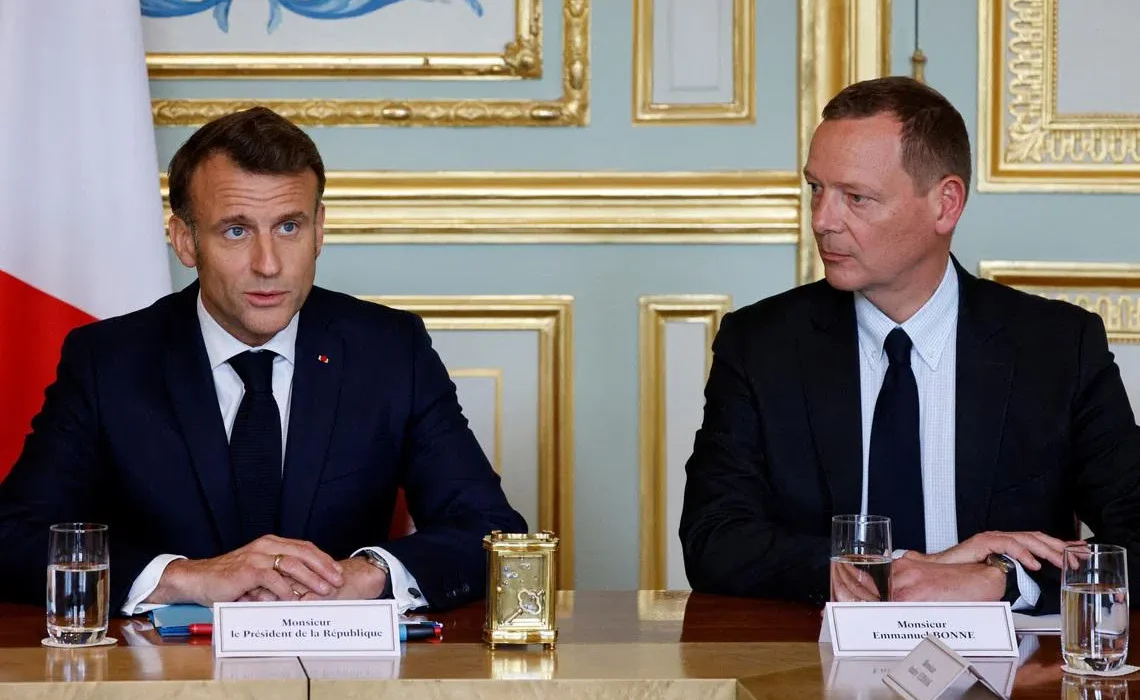
Diplomatic discussions are not ordinary conversations. Every phrase carries weight. A single word can soften a disagreement, signal cooperation, protect a national position, or create tension where none was intended. When French and English are involved, the stakes become even more delicate because both languages have long histories in diplomacy, law, trade, international organizations, and cross-border policy. A diplomatic interpreter is not simply swapping words from one language into another. The interpreter is carrying intent, tone, nuance, cultural meaning, and political sensitivity across a narrow bridge.
For businesses, NGOs, public institutions, and international organizations, this matters more than it may seem. Cross-border communication often includes negotiations, policy briefings, trade missions, government consultations, legal discussions, and executive meetings with public-sector stakeholders. If interpretation is vague, literal, or culturally flat, the conversation can drift off course. If it is precise, the discussion becomes clearer, more respectful, and more productive. This article explains how French–English interpretation supports diplomatic discussions, why precision affects outcomes, and what organizations should consider when preparing for high-level multilingual communication.
Why Diplomatic Interpretation Requires More Than Fluency
Fluency is only the starting point. Diplomatic interpretation requires deep control of language, context, protocol, and tone. A bilingual speaker may understand French and English well, but diplomatic discussions often include legal terminology, policy references, historical sensitivities, and carefully worded positions. The interpreter must understand not only what is being said, but why it is being said that way.
For example, there is a big difference between “we reject this proposal,” “we cannot support this proposal at this stage,” and “this proposal requires further consultation.” These phrases may point in the same general direction, but diplomatically, they land very differently. In French, similar distinctions exist between direct refusal, cautious reservation, and procedural delay. A skilled interpreter preserves those distinctions so the listener receives the intended message, not a rough approximation.
This is why diplomatic interpretation is closer to precision navigation than casual conversation. The interpreter must keep the discussion moving without adding, softening, exaggerating, or distorting meaning.
The Role of French and English in Cross-Border Communication
French and English often meet in diplomatic spaces because both languages are widely used in international institutions, legal frameworks, development work, trade, and government communication. Many organizations operate across English-speaking and French-speaking regions, including Europe, Africa, Canada, and global multilateral environments. In these settings, language is not just a tool. It is part of identity, authority, and trust.
A French-speaking delegate may choose French because it expresses their position with greater nuance. An English-speaking official may rely on English for technical policy language. If interpretation fails to carry those choices accurately, one party may feel misunderstood or minimized. That can affect the tone of the entire discussion.
For businesses working with government agencies or international partners, the same principle applies. A company entering a French-speaking market may need interpretation for regulatory meetings, public-private consultations, or trade negotiations. The quality of interpretation can influence whether the business appears prepared, respectful, and credible.
How Precision Shapes Trust in Diplomatic Meetings
Trust is fragile in diplomatic communication. Participants often speak carefully because they represent institutions, governments, or organizations. They may avoid overly direct statements, use formal courtesy, or frame disagreement in measured language. If interpretation makes a cautious statement sound aggressive, trust can weaken. If it makes a firm boundary sound flexible, expectations can become unrealistic.
Precision helps protect intent. It ensures that a speaker’s level of certainty, concern, agreement, or disagreement is accurately conveyed. For example, “we are open to exploring this option” should not become “we agree with this option.” “Nous prenons note de votre position” should not be interpreted as full acceptance. These subtle differences matter because diplomatic discussions often move in steps. A small wording shift can make one side believe progress has been made when the other side has only acknowledged the issue.
Good interpretation keeps both sides standing on the same floor. Nobody is pulled forward by false optimism or pushed back by accidental harshness.
Consecutive vs. Simultaneous Interpretation in Diplomatic Settings
Diplomatic discussions may use consecutive or simultaneous interpretation depending on the format. In consecutive interpretation, the speaker pauses after a section, and the interpreter delivers the message in the other language. This is common in bilateral meetings, press statements, interviews, and smaller negotiations. It allows for careful note-taking and greater control over nuance.
Simultaneous interpretation happens in real time while the speaker continues. This is common in conferences, assemblies, panels, and large multilingual meetings. It keeps the conversation moving quickly, but it requires intense concentration and strong preparation. The interpreter must process meaning almost instantly while staying accurate.
For French–English diplomatic discussions, the choice depends on risk, speed, and formality. A sensitive negotiation may benefit from consecutive interpretation because it allows more precision. A large international forum may require simultaneous interpretation because multiple speakers and languages are involved. Either way, preparation is essential. Interpreters need agendas, speaker names, acronyms, policy documents, and background materials before the meeting begins.
Cultural Nuance and Diplomatic Tone
Language precision is not only about vocabulary. It is also about cultural nuance. French diplomatic communication may use formal structures, indirect phrasing, and carefully layered politeness. English diplomatic communication can also be indirect, but the rhythm and phrasing may differ. An interpreter must carry the tone without making it sound unnatural in the target language.
Consider how courtesy is expressed. A phrase like “with all due respect” can sound polite, skeptical, or confrontational depending on context. French phrases of diplomatic courtesy may carry ceremonial weight that should not be flattened into casual English. On the other hand, overly literal translation can make a normal diplomatic expression sound stiff or confusing.
This is where interpretation becomes an art as well as a technical skill. The interpreter must preserve the speaker’s meaning while making the message understandable and appropriate for the listener. It is like carrying water in a glass across a crowded room: the goal is to arrive without spilling anything important.
Risks of Poor Interpretation in Diplomatic Discussions
Poor interpretation can create serious problems. A mistranslated policy position can lead to confusion. A softened warning can reduce urgency. A harsher-than-intended phrase can damage rapport. Even small errors can echo beyond the room if the discussion influences public statements, agreements, funding decisions, or media coverage.
In cross-border business contexts, the risks are also practical. A company may misunderstand regulatory expectations. A partner may misread a commitment. A public agency may receive the wrong impression about timelines, responsibilities, or compliance readiness. These misunderstandings can slow negotiations, create legal exposure, or weaken future cooperation.
The most dangerous interpretation errors are not always obvious. Sometimes everyone leaves the meeting feeling that they understood each other, only to discover later that key terms were interpreted differently. That is why professional interpretation should be treated as a risk-control function, not just a language service.
Preparing Interpreters for High-Stakes French–English Meetings
Strong interpretation starts before the meeting. Organizations should brief interpreters properly instead of expecting them to perform cold. This means sharing agendas, background documents, participant lists, technical terms, acronyms, and any sensitive topics that may arise. The more context an interpreter has, the better they can preserve meaning under pressure.
Businesses should also define the format. Will the interpreter work consecutively or simultaneously? Will there be a formal speech, open discussion, Q&A, or negotiation? Will participants use legal, financial, environmental, or policy terminology? These details help the interpreter prepare the right vocabulary and mental framework.
Confidentiality is another key requirement. Diplomatic and cross-border discussions may include non-public plans, legal positions, commercial information, or sensitive political details. Professional interpreters should follow strict confidentiality expectations and understand the seriousness of the setting.
Why Businesses Need Diplomatic-Level Interpretation
Not every business meeting is diplomatic in the government sense, but many cross-border conversations require diplomatic skill. A company negotiating with a French-speaking regulator, presenting to international partners, discussing infrastructure projects, or responding to a public-sector tender needs more than basic interpretation. It needs language support that protects meaning, tone, and credibility.
This is especially true when the conversation affects market entry, compliance, partnerships, investment, or reputation. The interpreter becomes part of the communication strategy. When interpretation is smooth, participants focus on the substance of the discussion. When it is poor, everyone becomes distracted by uncertainty.
Professional French–English interpretation helps businesses show respect for the other party’s language and decision-making process. It signals preparation. It reduces confusion. Most importantly, it helps both sides make decisions based on what was actually said—not what someone thought was said.
Conclusion
French–English interpretation plays a critical role in diplomatic discussions and cross-border communication. It protects meaning, preserves tone, and helps participants navigate complex conversations where every phrase may carry political, legal, or commercial weight. Whether the setting is a government meeting, trade mission, international forum, regulatory discussion, or executive negotiation, language precision can shape trust and influence outcomes.
The strongest interpretation does not draw attention to itself. It allows the conversation to flow naturally while keeping intent intact. That requires preparation, subject-matter awareness, cultural sensitivity, confidentiality, and professional judgment. For businesses and organizations working across French- and English-speaking markets, diplomatic-level interpretation is not a luxury. It is a safeguard. When the words are accurate, the relationship has room to grow. When the message is clear, decisions become easier, and cross-border communication becomes far more effective.
FAQs
- Why is French–English interpretation important in diplomatic discussions?
It ensures that meaning, tone, and intent are accurately carried between speakers, reducing the risk of misunderstanding in sensitive conversations.
- What is the difference between consecutive and simultaneous interpretation?
Consecutive interpretation happens after the speaker pauses, while simultaneous interpretation happens in real time as the speaker continues.
- Why does tone matter in diplomatic interpretation?
Tone can signal agreement, concern, caution, or disagreement. If the tone shifts during interpretation, the message may be misunderstood.