

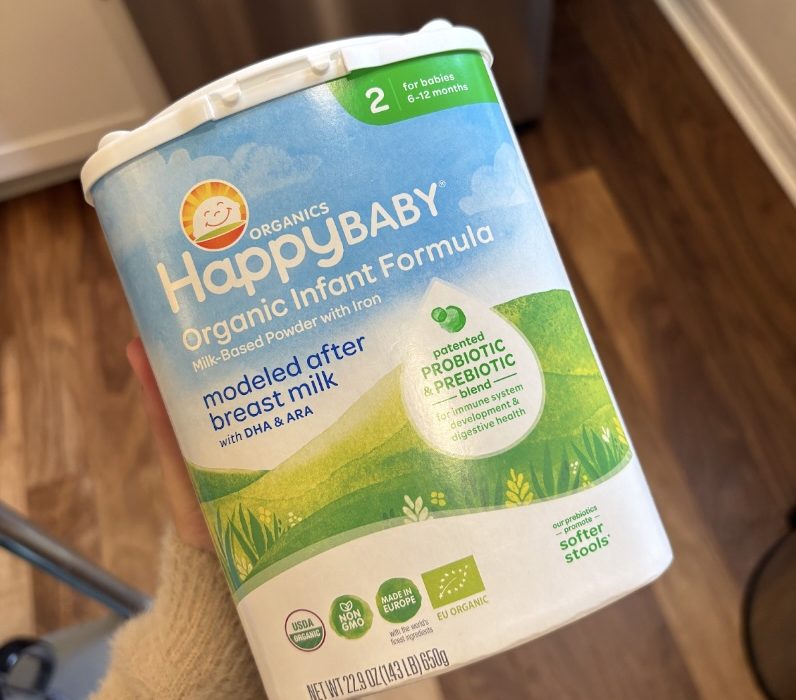
Baby formula is one of the most sensitive products in global trade. Parents depend on clear labels to prepare, store, and use formula safely. That’s why Localization Risks in Baby Formula Labels are not just marketing problems. They can become health, legal, and trust issues.
Infant formula labels must follow strict local rules. For example, the WHO Code says labels should give needed information and avoid discouraging breastfeeding. In the U.S., infant formula is regulated under 21 CFR Part 107, which covers labeling and nutrient requirements. In the EU, Regulation 2016/127 sets rules for composition, labeling, and marketing.
Why Label Localization Matters
Localization means adapting a label for a specific country, language, culture, and regulation. It goes beyond translation. A safe baby formula label must explain ingredients, allergens, age suitability, preparation steps, storage rules, warnings, and nutrition facts in a way local caregivers understand.
A small wording error can cause big harm. For example, confusing “scoop” size, water temperature, or feeding amount may lead to over-dilution or under-dilution. This can affect infant nutrition and safety.
Key Compliance and Safety Risks
Translation Errors
Literal translation is risky. Medical, nutrition, and preparation terms need expert review. Words like “sterile,” “boiled,” “cooled,” “serving,” and “discard” must be exact. A weak translation can make parents misunderstand safe preparation steps.
Nutrient and Unit Mismatches
Countries may use different measurement systems, serving formats, and nutrition panels. A label using ounces in one market may need milliliters in another. Nutrient values must also match local rules. In the U.S., FDA regulations include specific nutrient information requirements for infant formula labeling.
Preparation Instruction Confusion
Baby formula labels must clearly show how to mix powder and water. Risks include unclear scoop counts, wrong water volume, missing boiling instructions, or poor storage guidance. Powdered formula is not sterile, so safe preparation language is vital.
Claims That Violate Local Rules
Marketing claims can create legal problems. Some regions restrict wording that makes formula seem equal or superior to breast milk. EU-related guidance notes that labels must not idealize infant formula or discourage breastfeeding.
Cultural and Language Sensitivity
Images, symbols, colors, and phrases may carry different meanings across markets. A label that feels trustworthy in one country may feel confusing or inappropriate in another. This matters because parents need confidence when feeding infants.
Best Practices for Safer Labels
Brands can reduce Localization Risks in Baby Formula Labels by using native medical translators, regulatory reviewers, and local market experts. They should also test labels with real caregivers before launch.
A strong process includes:
| Step | Purpose |
| Regulatory review | Confirms local legal compliance |
| Medical translation | Protects technical accuracy |
| Unit conversion check | Prevents feeding mistakes |
| Artwork proofing | Catches layout and symbol errors |
| Consumer testing | Checks real-world understanding |
Companies should also keep a master label file, track country-specific versions, and review changes whenever regulations update.
Conclusion
Localization Risks in Baby Formula Labels can affect infant safety, brand trust, and legal compliance. The best approach is careful translation, strict regulatory review, clear preparation instructions, and local consumer testing. In baby nutrition, every word matters.
FAQs
What are Localization Risks in Baby Formula Labels?
They are risks caused by poor translation, wrong units, unclear instructions, cultural mismatch, or non-compliance with local rules.
Why are baby formula labels highly regulated?
Because infants are vulnerable, and caregivers rely on labels for safe preparation, nutrition, and storage guidance.
Can one global label work everywhere?
Usually, no. Each market may require different language, warnings, nutrient formats, and legal claims.
What is the biggest localization risk?
Preparation instruction errors are among the biggest risks because they can directly affect infant feeding safety.
Who should review localized formula labels?
A native translator, regulatory expert, nutrition specialist, and local market reviewer should all check the label.
Do images matter on baby formula labels?
Yes. Images can imply health, age suitability, or breastfeeding comparison, which may be restricted in some markets.