

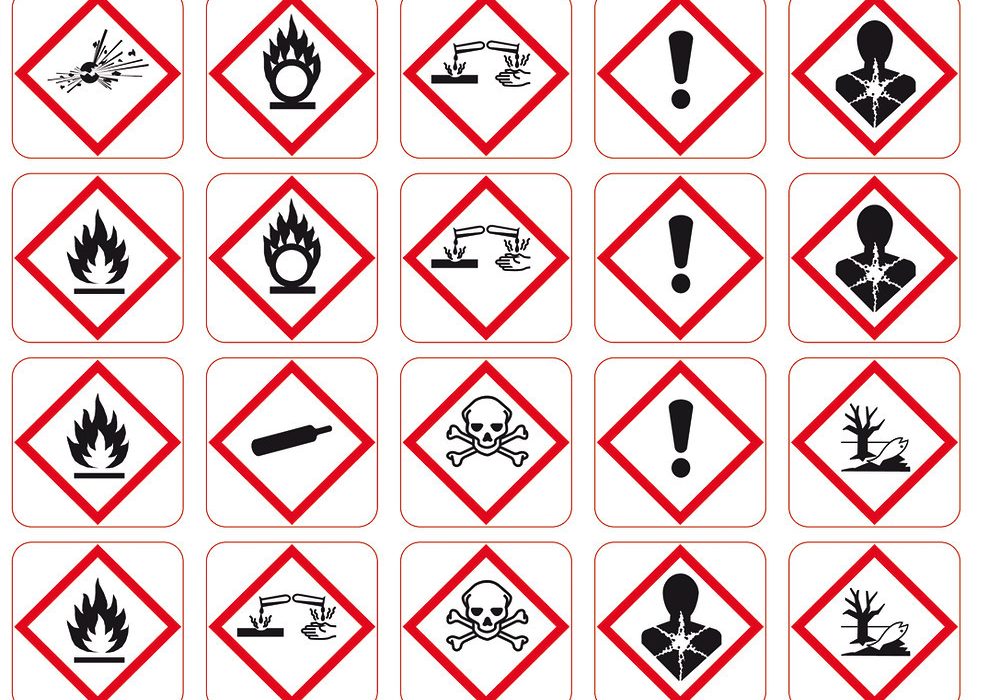
Fast-moving consumer goods (FMCG) brands operate in highly competitive global markets. From cleaning sprays and detergents to cosmetics and aerosol products, many FMCG items require hazard labels to meet international safety standards.
Poorly translated hazard labels can create confusion, increase legal risks, and even lead to product recalls. That’s why businesses expanding into global markets must treat hazard label translation as a critical compliance task rather than a simple language exercise.
Why Hazard Label Translation Matters
Hazard labels communicate important safety information to consumers. They explain product risks, handling instructions, storage requirements, and emergency measures. In global markets, this information must be clearly understood in the local language.
Accurate translations help FMCG brands:
- Protect consumer safety
- Meet international regulatory standards
- Avoid customs delays and penalties
- Reduce liability risks
- Improve customer confidence
A single mistranslated warning can result in misunderstandings that put users at risk. For example, confusing “flammable” with “combustible” could lead to dangerous misuse of a product.
Understanding Global Compliance Standards
GHS Requirements
The Globally Harmonized System (GHS) standardizes hazard communication across many countries. It defines how chemical hazards should be classified and communicated on labels and safety data sheets.
Key GHS components include:
- Standardized hazard pictograms
- Signal words such as “Danger” or “Warning”
- Hazard statements
- Precautionary statements
Many countries adopt GHS with local variations, making region-specific translation essential.
Regional Labeling Laws
Different regions apply additional requirements beyond GHS:
- The European Union follows CLP regulations
- The United States uses OSHA Hazard Communication Standards
- Asian markets often require bilingual labeling
- Middle Eastern countries may require Arabic translations
FMCG brands must adapt labels for each target market instead of relying on one universal version.
Common FMCG Products Requiring Hazard Labels
Many everyday products contain ingredients that require hazard communication. Examples include:
| Product Type | Typical Hazard |
| Household cleaners | Corrosive or toxic chemicals |
| Aerosol sprays | Flammable contents |
| Hair dyes | Skin irritation risks |
| Detergents | Eye irritation warnings |
| Air fresheners | Pressurized container hazards |
Because these products are widely used by the public, clear label translation becomes even more important.
Risks of Incorrect Hazard Label Translation
Legal Penalties
Regulatory authorities can impose fines, reject shipments, or ban products from the market if labels fail compliance checks. In severe cases, companies may face lawsuits or product recalls.
Consumer Safety Concerns
Consumers depend on labels for safe product usage. Incorrect translations may lead to:
- Chemical exposure
- Fire hazards
- Allergic reactions
- Improper storage or disposal
Even small wording mistakes can change the meaning of safety instructions.
Brand Reputation Damage
Today’s consumers quickly share negative experiences online. One labeling incident can damage brand credibility across multiple markets. Trust is hard to rebuild once consumers believe a company ignored safety standards.
Key Elements of a Hazard Label
Signal Words
Signal words indicate the severity of a hazard.
Common examples include:
- Danger – severe hazards
- Warning – less severe hazards
Translations must match regulatory terminology exactly.
Hazard Statements
Hazard statements describe the nature of the risk, such as:
- “Causes skin irritation”
- “Extremely flammable aerosol”
These phrases are often legally standardized and should never be freely rewritten.
Precautionary Statements
Precautionary statements explain how to minimize risks.
Examples include:
- “Keep away from heat”
- “Wear protective gloves”
- “Store in a well-ventilated area”
Clear translation ensures consumers understand protective actions.
Pictograms and Symbols
Hazard pictograms are universal visual warnings. However, supporting text around symbols must still be translated accurately for local audiences.
Best Practices for Translating Hazard Labels
Use Native-Speaking Experts
Professional translators with regulatory expertise understand technical terminology and local legal requirements. Native-speaking linguists also ensure labels sound natural and culturally appropriate.
Maintain Terminology Consistency
Consistency is critical in compliance documentation. FMCG brands should create approved glossaries and translation memories to standardize terms across products and regions.
Follow Local Regulations
Never assume one translation works everywhere. Regulatory wording may differ between countries even when they share the same language.
For example:
- Spanish labels for Mexico may differ from Spain
- French Canadian regulations differ from France
- Simplified and Traditional Chinese require separate localization
Conduct Quality Assurance Checks
A strong review process reduces compliance risks. Effective QA should include:
- Linguistic review
- Regulatory validation
- Formatting inspection
- Final proofreading
Cross-functional collaboration between legal, regulatory, and localization teams is also essential.
Technology and Translation Tools
Modern translation technology helps FMCG companies improve speed and consistency. Common tools include:
- Translation memory systems
- Terminology management platforms
- AI-assisted translation software
- Compliance management systems
However, automated translation alone is not enough for regulated content. Human review remains necessary for accuracy and legal compliance.
For more information about global chemical labeling standards, visit OSHA Hazard Communication Standard.
Industry-Specific Challenges for FMCG Brands
FMCG companies face unique challenges because they launch products quickly and distribute them across multiple markets simultaneously.
Common challenges include:
- Frequent packaging updates
- Limited label space
- Multi-language packaging requirements
- Rapid regulatory changes
- Tight product launch deadlines
To manage these issues, many brands build centralized translation workflows and maintain close partnerships with compliance specialists.
Conclusion
Translating Hazard Labels: A Compliance Guide for FMCG Brands highlights the growing importance of accurate multilingual safety communication in global markets. As regulations become stricter and consumers become more safety-conscious, FMCG companies must prioritize compliant, high-quality hazard label translations.
By combining expert linguists, regulatory knowledge, and strong quality assurance processes, brands can reduce risk, improve customer trust, and support successful international expansion.
FAQs
What is a hazard label?
A hazard label communicates safety risks, handling instructions, and precautionary measures related to a product.
Why are hazard label translations important for FMCG brands?
They help companies comply with regulations, protect consumers, and reduce legal risks in international markets.
What happens if hazard labels are translated incorrectly?
Incorrect translations can lead to fines, recalls, customs delays, consumer injuries, and reputational damage.
Are machine translations reliable for hazard labels?
Machine translation can support workflows, but professional human review is necessary for compliance-sensitive content.
Which FMCG products typically require hazard labels?
Cleaning products, aerosols, cosmetics, detergents, and chemical-based household goods commonly require hazard labeling.
How can FMCG brands improve compliance accuracy?
Brands can improve accuracy by using regulatory experts, maintaining terminology databases, and conducting multi-step quality reviews.