

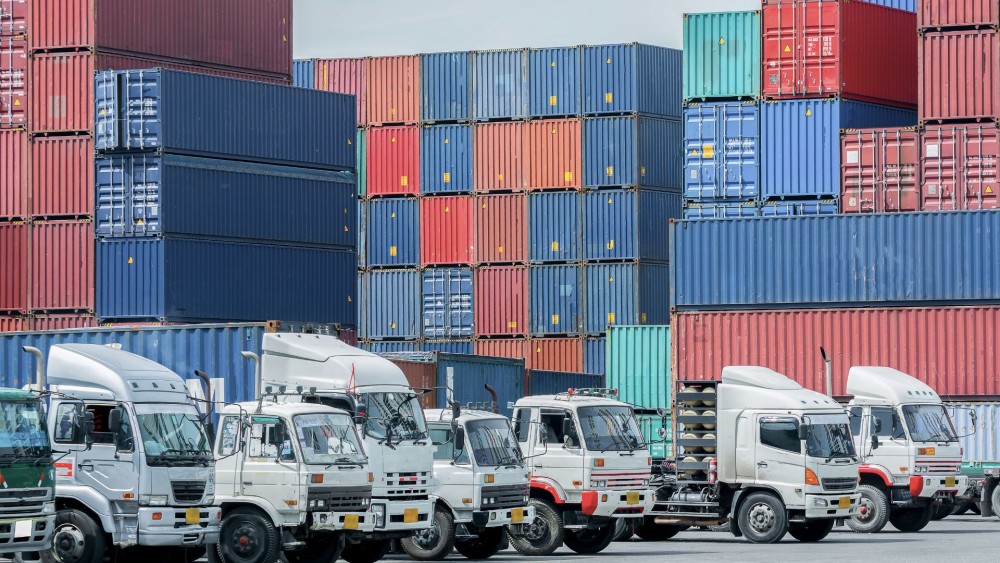
Supply chains don’t fail all at once—they break in small moments. A delayed confirmation. A misunderstood instruction. A missed update. In cross-border logistics involving Indonesian and English-speaking teams, these moments often come down to one thing: communication.
Real-time interpretation acts as the invisible engine that keeps operations aligned. Whether it’s coordinating shipments, resolving delays, or managing handoffs, every interaction depends on accurate and immediate understanding.
When interpretation fails, the impact isn’t just confusion—it’s missed deadlines, increased costs, and disrupted operations.
The Complexity of Cross-Border Logistics Communication
Logistics coordination involves multiple moving parts—suppliers, warehouses, transport providers, and customers.
Each step requires precise communication, often under time pressure. In Indonesian-English operations, language differences add another layer of complexity.
Instructions must be clear, updates must be immediate, and responses must be accurate. There’s no room for ambiguity when shipments are on the move.
Where Real-Time Interpretation Becomes Critical
Real-time interpretation is essential during key coordination points.
This includes shipment scheduling, customs clearance discussions, and issue resolution. These interactions often happen through calls or live meetings where decisions must be made instantly.
Without accurate interpretation, delays occur. And in logistics, delays ripple across the entire supply chain.
The Cost of Miscommunication in Logistics
What happens when a delivery instruction is misunderstood?
A shipment might be routed incorrectly. A deadline might be missed. A customer might receive incomplete or delayed goods.
These issues lead to financial losses, damaged relationships, and operational inefficiencies. In competitive markets, even small disruptions can have significant consequences.
Why Speed and Accuracy Must Work Together
In logistics, speed matters—but not at the expense of accuracy.
Interpreters must deliver messages quickly while maintaining precision. This requires not only language fluency but also familiarity with logistics terminology.
A delay in interpretation slows down decision-making. An error in interpretation creates bigger problems. The balance between speed and accuracy is critical.
Industry Knowledge in Logistics Interpretation
Logistics has its own language—terms like “bill of lading,” “lead time,” and “freight consolidation.”
Interpreters working in this field must understand these concepts to convey meaning accurately. Without this knowledge, translations can become vague or misleading.
Businesses benefit from working with interpreters who specialize in logistics and supply chain operations.
The Role of Preparation and Communication Protocols
Preparation improves interpretation outcomes.
Providing interpreters with key documents, terminology lists, and process overviews helps them perform effectively. Clear communication protocols also ensure that information flows smoothly.
For example, structured updates and standardized terminology reduce the risk of confusion during real-time interactions.
Why Interpretation Is a Strategic Asset in Logistics
Interpretation is often treated as support—but in logistics, it’s a core function.
Businesses that prioritize interpretation gain better coordination, faster response times, and fewer errors. This leads to more efficient operations and stronger partnerships.
In cross-border supply chains, communication is the backbone. Interpretation ensures that backbone stays strong.
Conclusion
Real-time interpretation plays a vital role in keeping Indonesian cross-border logistics operations running smoothly. It ensures that information is understood clearly and decisions are made quickly.
Miscommunication in logistics doesn’t just cause delays—it disrupts entire supply chains. By investing in skilled interpreters, preparing them properly, and integrating them into workflows, businesses can minimize risks and improve efficiency.
In an industry where timing is everything, clear communication is the difference between success and failure. Interpretation isn’t just a support tool—it’s an operational necessity.
FAQs
- What is real-time interpretation in logistics?
It involves live language translation during logistics coordination, such as calls and meetings. - Why is interpretation important in supply chains?
It ensures accurate communication, preventing delays and errors. - What challenges exist in Indonesian logistics interpretation?
Language differences, technical terminology, and time-sensitive communication. - How can businesses improve interpretation accuracy?
By using specialized interpreters and providing preparation materials. - Can miscommunication disrupt supply chains?
Yes, even small errors can lead to delays, increased costs, and operational issues.