

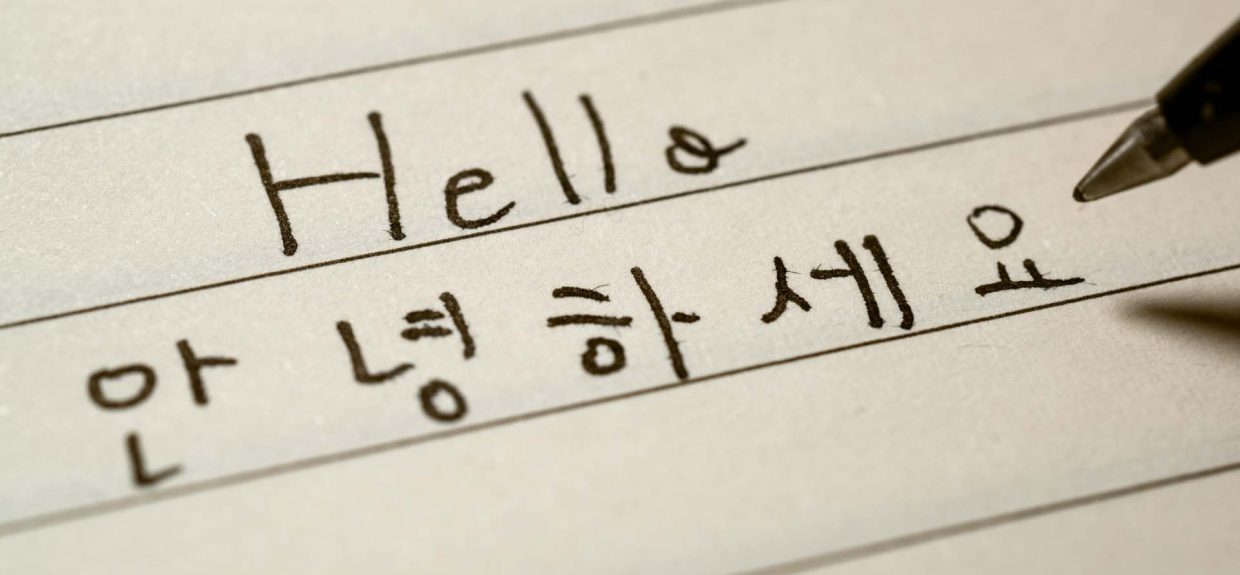
In research and development environments, every detail matters. A single misinterpreted note can delay projects, distort findings, or create costly errors in final reports. When Korean-speaking teams collaborate with international stakeholders, transcription becomes the bridge that connects raw lab insights to structured English documentation. But transcription in technical environments is not as simple as converting speech to text—it requires precision, subject-matter familiarity, and consistency across complex terminology.
For businesses operating across borders, reliable Korean–English transcription ensures that valuable R&D insights are accurately preserved and communicated. Whether it’s chemical formulas, engineering processes, or experimental observations, clarity in documentation directly affects innovation speed and decision-making. This article explores how transcription quality impacts technical teams, the challenges involved, and how businesses can build reliable workflows that support global collaboration without losing critical meaning.
Why Technical Transcription Requires Specialized Expertise
Unlike general transcription, R&D documentation involves domain-specific language that cannot be interpreted casually. Technical terms, abbreviations, and experimental references require a deep understanding of the subject matter. A transcriptionist unfamiliar with the field may misinterpret key concepts, leading to flawed documentation.
For example, a minor error in describing a testing parameter or material property can alter the meaning of an entire report. Businesses must work with transcription teams that combine linguistic expertise with technical knowledge. This ensures that lab notes are not only translated but accurately represented in a way that global teams can rely on.
Capturing Context Beyond Words
In R&D environments, context is everything. Lab discussions often include shorthand references, incomplete sentences, or assumed knowledge among team members. Transcribing these conversations into English requires filling in gaps while preserving original intent.
Think of it like reconstructing a puzzle where some pieces are implied rather than visible. Skilled transcriptionists interpret tone, context, and technical flow to produce coherent documentation. Without this level of attention, transcripts may appear accurate on the surface but fail to convey actionable insights.
Consistency in Terminology Across Documents
Consistency is critical when dealing with ongoing research projects. The same terms, variables, and processes must be described uniformly across multiple documents. Inconsistent terminology can confuse teams and slow down collaboration.
To address this, businesses often implement glossaries and style guides for transcription projects. These tools ensure that every transcript aligns with established terminology. Over time, this consistency builds trust in the documentation and allows teams to work more efficiently across languages.
Handling Complex Data and Mixed Formats
R&D transcription often involves more than spoken words. Lab notes may include diagrams, numerical data, and references to visual elements. Transcription workflows must integrate these components seamlessly into English reports.
This requires coordination between transcriptionists, translators, and technical reviewers. The goal is to produce documents that are both accurate and easy to understand. Businesses that invest in structured workflows can transform fragmented lab notes into polished, professional reports that support global collaboration.
Quality Control and Review Processes
Even the most skilled transcriptionists need quality assurance processes to maintain accuracy. Technical transcription should always include multiple review stages, including linguistic checks and subject-matter validation.
Reviewers ensure that terminology is correct, context is preserved, and formatting meets professional standards. This layered approach minimizes errors and ensures that final reports are reliable. Businesses that skip quality control risk introducing inconsistencies that can affect decision-making and project outcomes.
The Impact on Global Collaboration
Accurate transcription enables seamless collaboration between Korean R&D teams and international partners. It ensures that everyone operates with the same understanding of research findings and project goals.
When transcription quality is high, teams can move faster, communicate more effectively, and avoid costly misunderstandings. For businesses, this translates into improved efficiency, stronger partnerships, and faster innovation cycles.
Conclusion
Reliable Korean–English transcription is a cornerstone of effective R&D collaboration. It transforms raw lab notes into structured, accurate reports that support global teamwork. From handling technical terminology to maintaining consistency and quality, every aspect of transcription plays a role in ensuring clarity and precision.
Businesses that invest in specialized transcription workflows gain a significant advantage in international research environments. They reduce errors, improve communication, and accelerate innovation. In a field where every detail matters, transcription is not just a support function—it is a critical component of success.
FAQs
- Why is technical transcription more complex than general transcription?
It involves specialized terminology and requires subject-matter expertise to ensure accuracy. - How can businesses maintain consistency in transcription?
By using glossaries, style guides, and standardized workflows. - What role does quality control play in transcription?
It ensures accuracy, consistency, and reliability in final documents. - Can transcription errors impact R&D outcomes?
Yes, even small errors can lead to misunderstandings or incorrect conclusions. - What industries benefit most from technical transcription?
Industries like engineering, pharmaceuticals, and technology rely heavily on accurate transcription.