

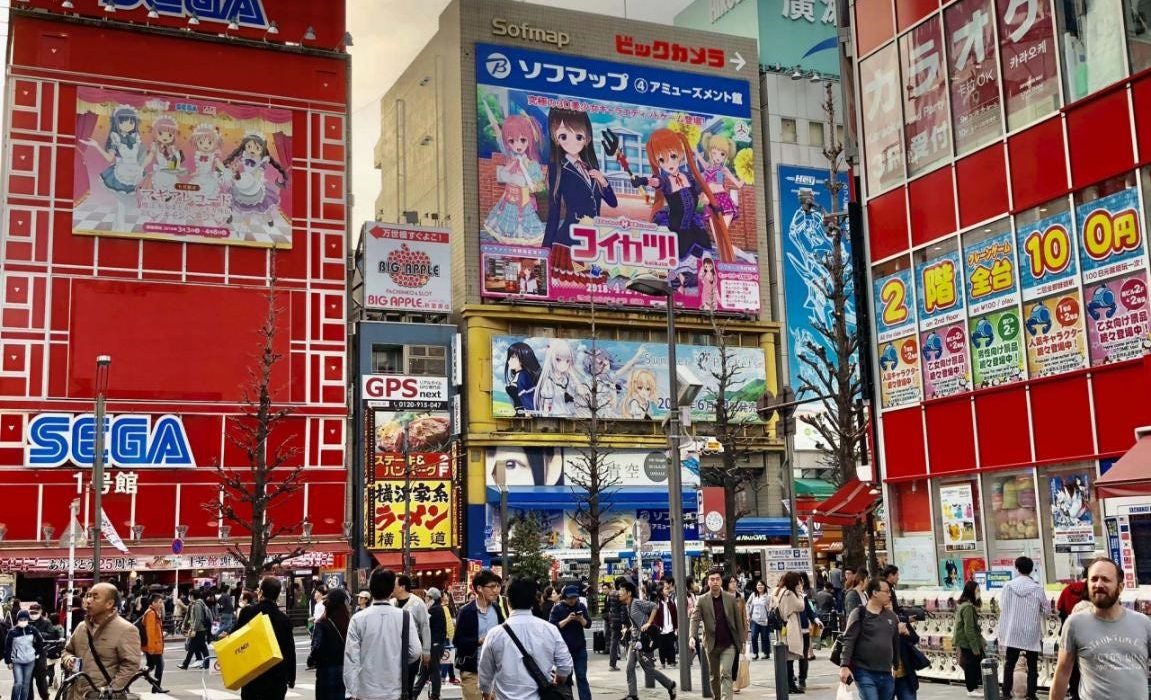
Anime and Japanese films have evolved from niche entertainment into a global cultural force. Streaming platforms now push Japanese content into living rooms across North America, Europe, and beyond. But here’s the catch—global success doesn’t rely on visuals alone. Subtitles carry the burden of meaning, emotion, humor, and cultural nuance. When subtitle localization fails, even the most visually stunning production can feel confusing or disconnected.
Subtitle localization is far more than translation. It involves adapting cultural references, humor, tone, and pacing to match how audiences naturally consume content. Poorly localized subtitles often lead to viewer drop-off, misinterpretation of characters, and negative reception. On the other hand, well-executed subtitles can elevate storytelling and deepen emotional engagement.
This article explores how subtitle localization directly shapes global audience reception, why small linguistic decisions matter, and how businesses distributing Japanese content can ensure their productions resonate internationally.
Why Subtitle Localization Is More Than Translation
Subtitles are not word-for-word conversions. Japanese dialogue often includes context-heavy phrases, implied meanings, and cultural shorthand that don’t directly translate into English. Literal translation strips away intent, leaving viewers confused or disconnected.
Localization ensures the message feels natural in the target language. For example, a Japanese phrase expressing politeness might sound overly formal in English if translated directly. Instead, it needs adaptation to maintain tone without sounding unnatural.
The goal is clarity without losing cultural identity. When done correctly, audiences don’t feel like they’re reading subtitles—they feel immersed in the story.
Cultural Nuance: The Hidden Layer of Meaning
Japanese storytelling relies heavily on cultural cues. Honorifics, idioms, and social hierarchies subtly shape character relationships. Without proper localization, these elements disappear.
Take humor as an example. Japanese jokes often rely on wordplay or cultural references. Direct translation rarely lands. Localization teams must rework the joke entirely while preserving its intent.
This is where subtitle localization becomes creative work. It’s not just linguistic—it’s interpretive. Businesses that invest in culturally aware localization consistently see better audience engagement and fewer misunderstandings.
Timing and Readability: The Overlooked Factors
Subtitles are constrained by time and space. Viewers must read and process text quickly while watching the scene. Overloaded subtitles break immersion and frustrate viewers.
Effective subtitle localization balances brevity and clarity. Sentences are restructured, unnecessary words removed, and pacing aligned with dialogue delivery.
Research in media consumption shows that poorly timed subtitles significantly increase viewer drop-off rates, especially among non-native English speakers. That means even accurate translations can fail if they aren’t optimized for readability.
How Subtitle Localization Affects Brand Perception
For businesses distributing anime and films, subtitles are part of the brand experience. Poor localization signals low quality and lack of attention to detail.
On the flip side, strong localization builds trust. It shows commitment to international audiences and respect for cultural differences. This directly influences audience loyalty and word-of-mouth promotion.
Think of subtitles as the voice of the content in a new language. If that voice feels off, everything else suffers.
Best Practices for Effective Subtitle Localization
Businesses aiming for global success should prioritize the following:
- Work with native-speaking localization experts
- Adapt, don’t translate literally
- Optimize for readability and timing
- Maintain cultural authenticity while ensuring clarity
- Test subtitles with target audiences before release
Localization is not a final step—it’s a core part of distribution strategy.
Conclusion
Subtitle localization plays a defining role in how anime and Japanese films are received worldwide. It bridges cultural gaps, preserves storytelling intent, and ensures audiences stay engaged from start to finish. Without it, even the most compelling content risks being misunderstood or ignored.
Businesses expanding into global markets cannot treat subtitles as an afterthought. They are a critical layer of communication that directly impacts viewer satisfaction, brand perception, and long-term success. By investing in high-quality localization, content creators and distributors position themselves to connect with audiences on a deeper level—turning viewers into loyal fans.
In a world where attention spans are short and competition is fierce, subtitles can be the difference between a global hit and a missed opportunity.
FAQs
- What is subtitle localization?
Subtitle localization adapts dialogue into another language while preserving meaning, tone, and cultural context. - Why do poorly translated subtitles affect viewer engagement?
They create confusion, disrupt immersion, and make content harder to understand. - How is localization different from translation?
Localization adapts content culturally and contextually, while translation focuses on direct language conversion. - Do subtitles really impact streaming success?
Yes, better subtitles lead to higher completion rates and stronger audience retention. - What industries benefit from subtitle localization?
Film, streaming, gaming, education, and marketing all rely heavily on localized subtitles.