

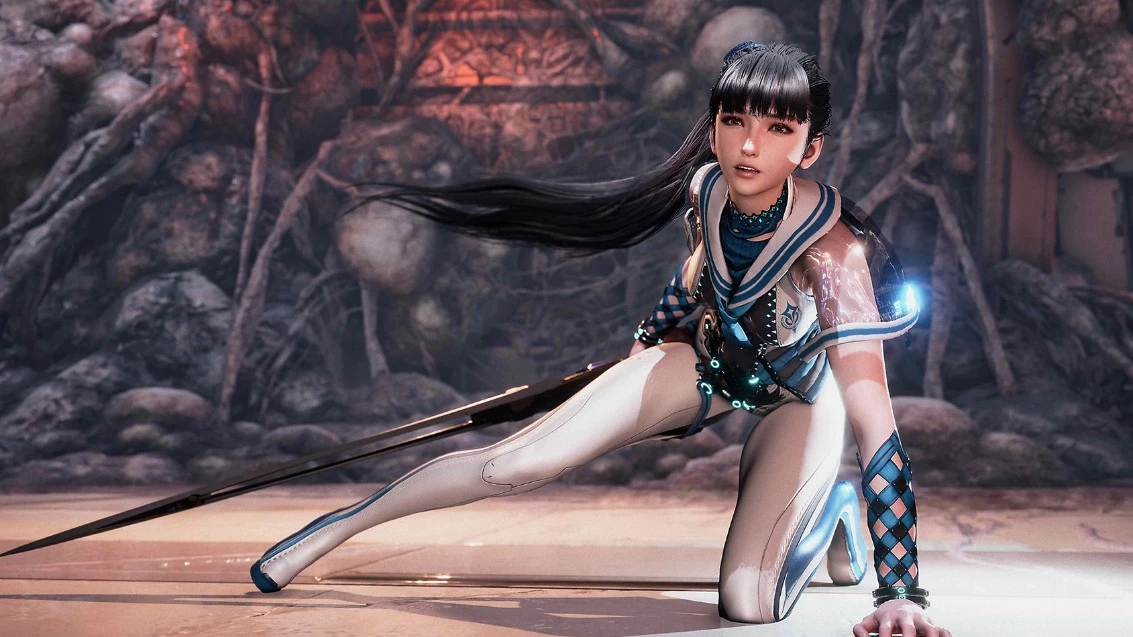
Korean games are known for incredible visuals, deep mechanics, and engaging gameplay. From MMORPGs to mobile titles, the industry consistently delivers high-quality experiences.
But here’s the paradox—many of these games struggle in global markets, not because of gameplay, but because of language.
Players download the game, get excited… and then encounter awkward dialogue, confusing menus, or inconsistent terminology. Suddenly, immersion breaks.
This is where Korean to English translation and localization plays a critical role. In gaming, language isn’t just functional—it’s part of the experience.
As localization providers, we’ve seen how even minor translation issues can lead to negative reviews, lower retention, and missed revenue opportunities.
Dialogue That Feels Unnatural or Robotic
Storytelling is at the heart of many Korean games. But when dialogue is translated literally, it often feels stiff or unnatural in English.
Characters may sound overly formal or emotionally flat, breaking immersion.
For example, a dramatic scene might lose its impact if the dialogue doesn’t flow naturally.
This is where transcreation becomes essential—rewriting dialogue to feel authentic while preserving the original intent.
Because in gaming, immersion is everything.
UI Text That Confuses Players
Menus, skill descriptions, and system messages need to be crystal clear.
But many games use direct translation for UI elements, resulting in phrases like “Activate function of skill” instead of “Use skill.”
These small issues add up.
Players shouldn’t have to think twice about what a button does. If they do, it disrupts gameplay and creates frustration.
Clear, concise UI localization improves usability and keeps players engaged.
Inconsistent Terminology Across Gameplay
In many localized games, the same item or mechanic is referred to differently in various parts of the game.
For example:
- “HP Potion” vs “Health Elixir”
- “Guild” vs “Clan”
This inconsistency confuses players and makes the game feel unpolished.
A structured glossary ensures consistency across all in-game text, tutorials, and updates.
Cultural References That Don’t Land Globally
Korean games often include cultural humor, idioms, or references that don’t translate well.
When left unchanged, these elements can confuse global players—or worse, feel irrelevant.
Localization should adapt these references to something familiar to the target audience while maintaining the spirit of the game.
This balance is key to making games feel globally accessible.
Poorly Localized Tutorials That Hurt Retention
The tutorial phase is critical. It’s where players decide whether to continue or quit.
If instructions are unclear or overly complex, players drop off quickly.
We’ve seen cases where simplifying tutorial language significantly improved retention rates within the first hour of gameplay.
Because if players don’t understand how to play, they won’t stay long enough to enjoy it.
Why Game Localization Is More Than Translation
Game localization involves:
- Narrative adaptation
- UI optimization
- Cultural adaptation
- Player experience design
It’s not just about translating text—it’s about recreating the experience for a global audience.
The most successful Korean games invest heavily in localization because they understand its impact on reviews, retention, and revenue.
Conclusion
Great gameplay alone isn’t enough to succeed globally.
If your game feels confusing, unnatural, or inconsistent in English, players won’t stick around—no matter how good the mechanics are.
Localization is what bridges the gap between a great game and a great global experience.
Through proper Korean to or from English translation, transcreation, and cultural adaptation, you can ensure your game resonates with players worldwide.
Because in the end, players don’t just play games—they experience them.
And that experience starts with language.
FAQs
- Why do Korean games struggle globally?
Because poor localization breaks immersion and confuses players. - What is game localization?
It’s the process of adapting a game’s language and content for different markets. - How does localization affect player retention?
Clear and engaging language keeps players immersed and reduces early drop-offs. - What is transcreation in gaming?
It involves rewriting dialogue and content to feel natural in the target language. - Can localization impact game reviews?
Yes, poor localization often leads to negative feedback and lower ratings.