

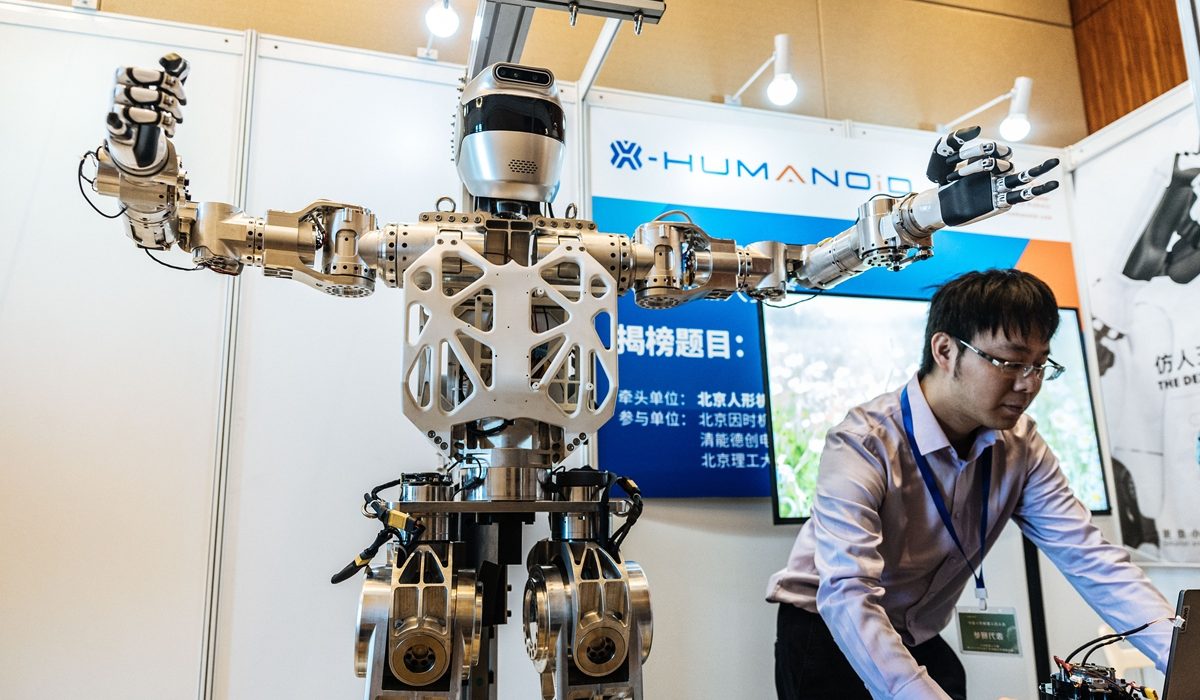
China’s export and tech sectors are evolving fast—faster than ever before. From SaaS platforms and AI tools to advanced manufacturing and consumer electronics, Chinese companies are no longer just competing on price. They’re competing on experience, trust, and global perception.
And here’s where things get interesting: one of the biggest drivers behind this shift is the growing demand for high-quality Chinese to/from English translation and localization.
Why? Because global markets—whether it’s the US, EU, or even Korea—don’t just want functional products. They want clear communication, localized experiences, and messaging that feels native.
If your website, product interface, or documentation sounds “translated,” you’re already at a disadvantage.
China’s Shift from Cost Leadership to Brand Trust
For years, Chinese exports dominated through competitive pricing. But today, that strategy alone isn’t enough.
Global buyers are asking:
- Can I trust this brand?
- Is the product reliable?
- Will the support experience be smooth?
Language plays a huge role in answering these questions. High-quality Chinese to/from English translation signals professionalism, while poor localization signals risk.
This shift toward trust-based buying is driving companies to rethink how they present themselves globally.
Why Tech Companies Need Localization More Than Ever
Tech products aren’t just sold—they’re experienced.
From onboarding flows to dashboards and help centers, every interaction depends on clear communication. A poorly translated interface can:
- Confuse users
- Increase churn
- Reduce product adoption
For example, SaaS companies expanding into English-speaking markets often see significant improvements in retention after investing in professional website translation and UI localization.
Because when users understand your product, they’re far more likely to stick with it.
The Role of Website Translation in Global Expansion
Your website is your first impression—and in many cases, your only chance to convert.
High-quality website translation ensures:
- Clear messaging
- Strong value propositions
- Seamless navigation
But here’s the key: it’s not just about translating content. It’s about adapting tone, structure, and messaging to fit the expectations of your target audience.
This is especially important when targeting Korean markets, where English content often acts as an intermediate step before full localization.
Transcreation: Turning Content Into Conversion Tools
Let’s talk about transcreation.
Unlike traditional translation, transcreation focuses on impact. It rewrites content so it resonates emotionally and culturally with the audience.
For example:
- Marketing slogans
- Product descriptions
- Ad copy
A literal translation might be accurate—but it won’t persuade. Transcreation ensures your message feels natural, engaging, and compelling.
And in competitive markets, that difference can directly impact conversion rates.
Export Industries and the Need for Clear Documentation
Beyond marketing, export industries rely heavily on document translation.
Think about:
- Product specifications
- Compliance documents
- User manuals
If these are unclear, it creates friction for distributors, partners, and end users.
Accurate Chinese to/from English translation ensures that your products are not only understood but also trusted in international markets.
Why English Is the Gateway to Korean Markets
Here’s a strategic insight many businesses overlook: English often serves as a bridge language for Korean localization.
Companies typically:
- Translate from Chinese to English
- Then localize from English to Korean
If the first step is flawed, the entire localization chain suffers.
That’s why high-quality Chinese to/from English translation is critical—not just for Western markets, but also for entering Korea effectively.
The Limits of Machine Translation in High-Stakes Content
Machine translation can handle basic text—but it struggles with:
- Technical nuance
- Cultural context
- Brand tone
In high-stakes environments like tech and exports, these limitations become costly.
Professional translation combined with transcreation ensures your content is both accurate and impactful.
Building a Scalable Localization Strategy
As companies grow, they need scalable systems for translation and localization.
This includes:
- Terminology management
- Style guides
- Consistent workflows
A structured approach ensures consistency across all touchpoints, from websites to product interfaces.
Conclusion
The rising demand for high-quality English localization across China’s export and tech sectors isn’t a trend—it’s a necessity.
Global markets expect clarity, professionalism, and seamless communication. Without it, even the best products can struggle to gain traction.
By investing in Chinese to/from English translation, website translation, document translation, and transcreation, businesses can unlock new opportunities and build lasting trust.
If you’re aiming to expand into Western or Korean markets, don’t just focus on what you’re selling. Focus on how you’re communicating it.
Because in today’s global economy, language isn’t just a tool—it’s a competitive advantage.
FAQs
- Why is English localization important for Chinese tech companies?
It improves user experience, builds trust, and supports global expansion. - What is the difference between translation and transcreation?
Translation focuses on accuracy, while transcreation adapts content for cultural impact. - How does localization affect SaaS products?
It improves onboarding, reduces churn, and enhances user engagement. - Why is English important for entering Korean markets?
English often serves as a base for further Korean localization. - Can machine translation handle technical content?
Not effectively—it lacks nuance and contextual understanding.