

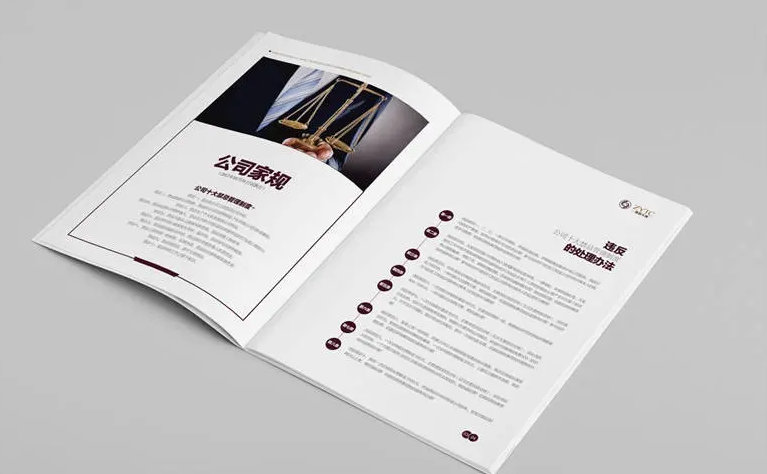
For Malay companies, translating a user manual is not just about language. It directly impacts how customers install, operate, and trust your product. A poorly translated manual can lead to confusion, support tickets, or even product misuse. That is why Malay to Chinese translation for manuals must focus on clarity, usability, and consistency, not just accuracy.
This guide walks you through the best practices for translating user manuals from Malay to Chinese. From choosing the right Chinese variant to managing terminology and testing with real users, these steps will help ensure your manuals are practical, user-friendly, and ready for Chinese-speaking markets.
Why User Manual Translation Matters for Malay Companies
User manuals are part of the product experience. They guide users through setup, usage, troubleshooting, and maintenance.
For Malay companies expanding into Chinese-speaking markets, a well-translated manual helps reduce customer support issues, improves product adoption, and strengthens brand credibility. On the other hand, unclear instructions can create frustration and damage trust.
Choose the Right Chinese Variant First
Before translating, decide whether you need Simplified Chinese or Traditional Chinese.
- Simplified Chinese → Mainland China, Singapore, Malaysia
- Traditional Chinese → Taiwan, Hong Kong, Macau
Most Malay companies targeting China will require Simplified Chinese manual localization. Choosing the wrong variant can immediately reduce readability and professionalism.
Start with a Clean Malay Source Manual
A strong translation begins with a clear source document.
Before sending your manual for translation:
- Simplify long or complex sentences
- Remove ambiguity in instructions
- Standardize product terms and labels
- Use consistent formatting and structure
Clear Malay content leads to clearer Chinese output. If the source is confusing, the translation will be even more difficult to understand.
Use Translators with Technical Expertise
User manuals are technical documents. They require more than language skills.
Choose translators who:
- Understand your industry (electronics, machinery, software, etc.)
- Are native Chinese speakers
- Have experience with technical document translation
A translator without subject knowledge may produce grammatically correct but misleading instructions. This can affect product usability and safety.
Build a Terminology Glossary
Consistency is critical in Malay to Chinese translation.
Create a glossary that includes:
- Product components
- UI labels and buttons
- Safety warnings
- Technical terms
This ensures that the same term is translated consistently across the entire manual.
Example: A single part name should not appear in three different forms throughout the document.
Use Translation Memory for Efficiency
Translation memory (TM) stores previously translated phrases for reuse.
Benefits:
- Faster turnaround for updates
- Lower translation costs
- Improved consistency across manuals
This is especially useful for companies with multiple product lines or recurring manual updates.
Localize Instructions, Not Just Words
Translation should focus on usability, not word-for-word accuracy.
When localizing manuals:
- Adapt sentence structure for clarity
- Emphasize action steps clearly
- Ensure instructions follow logical order
A good Chinese translation for product manuals should feel natural and easy to follow, not like a direct translation.
Maintain Formatting and Layout
User manuals rely heavily on structure and visuals.
Make sure to:
- Preserve headings and numbering
- Match translated text with diagrams
- Keep warnings clearly visible
- Maintain consistent spacing and layout
Formatting is not just design. It affects how easily users can navigate and understand the manual.
Handle Safety Instructions Carefully
Safety and warning sections must be precise and clear.
Avoid:
- Vague wording
- Overly complex sentences
- Missing emphasis on risks
Manuals should clearly tell users:
- What to do
- What to avoid
- What risks are involved
This is especially important for machinery, electronics, and industrial products.
Perform Quality Assurance and Review
A strong translation process includes multiple checks:
Linguistic QA
- Grammar and spelling
- Terminology consistency
- Natural Chinese phrasing
Functional QA
- Matching labels with diagrams
- Correct step sequences
- Accurate formatting
Both are essential for high-quality manual translation quality assurance.
Test with Native Chinese Users
One of the most effective steps is user testing.
Have native Chinese users:
- Follow the manual instructions
- Identify unclear sections
- Provide feedback on usability
This reveals issues that may not be obvious during translation or proofreading.
Plan for Updates and Scalability
Manuals are not one-time projects. They evolve with your product.
To manage updates efficiently:
- Maintain your glossary and translation memory
- Use version control
- Standardize your translation workflow
A structured approach reduces long-term costs and ensures consistency across updates.
Conclusion
Effective Malay to Chinese translation for user manuals is about more than accuracy. It is about delivering a clear and usable experience for your customers.
By focusing on terminology, structure, localization, and testing, Malay companies can create manuals that support users, reduce errors, and strengthen product trust in Chinese-speaking markets.
If you are planning to expand into China or serve Chinese-speaking users, investing in a structured manual translation process is one of the smartest moves you can make.
FAQs
- What is the best Chinese variant for Malay companies?
Most companies targeting China should use Simplified Chinese. Always confirm your target market before starting.
- Why is manual translation different from general translation?
Manuals require technical accuracy, clear instructions, and usability. They are not just informational but instructional.
- Can I use machine translation for user manuals?
Machine translation can help, but it must be reviewed by experts to ensure accuracy and clarity.
- How do I ensure consistency in translation?
Use a glossary and translation memory to keep terms consistent across the entire manual.
- What is the most important step after translation?
Testing the manual with native Chinese users to ensure it is easy to follow and understand.