

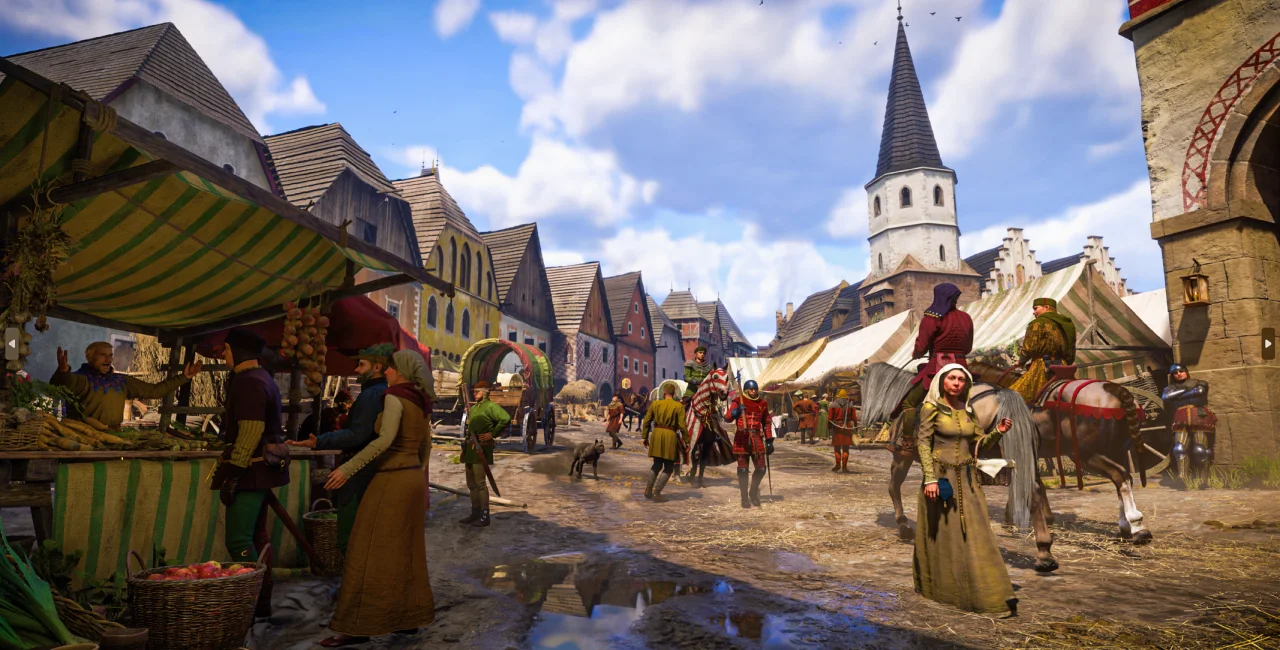
The Czech Republic has produced globally recognized game studios. Bohemia Interactive built the Arma franchise into a long-running international success. Warhorse Studios gained worldwide attention with Kingdom Come: Deliverance. Beat Games created Beat Saber, which became a VR phenomenon. The creative and technical capability is clearly present in the Czech gaming ecosystem.
Yet not every Czech studio achieves international momentum, even when gameplay quality is high. One recurring reason is weak English creative adaptation during launch. English is the dominant commercial language of global gaming platforms such as Steam, PlayStation Store, Xbox Marketplace, and Epic Games Store. If the store page copy, trailer subtitles, press kit, and narrative elements feel translated rather than creatively localized, early engagement drops. In modern digital launches, the first 72 hours shape algorithm visibility. English messaging plays a decisive role in that window.
Store Page Copy Drives Algorithmic Visibility
Steam’s discovery system heavily weights early wishlist additions, click-through rates, and conversion during launch. English-language store descriptions must clearly communicate genre positioning, gameplay loop, and differentiation within seconds. Literal translation from Czech frequently produces descriptive but flat summaries. International buyers browsing Steam are accustomed to concise, benefit-focused, emotionally engaging copy.
Compare two approaches. A literal translation might emphasize development background or technical mechanics in neutral language. A localized English version emphasizes player experience, stakes, and genre comparisons that resonate with global gaming culture. The difference influences wishlist conversion. Weak creative adaptation reduces early traction, which in turn limits visibility in platform algorithms.
Real Example: Warhorse Studios and Narrative Positioning
When Warhorse Studios launched Kingdom Come: Deliverance, its English marketing leaned heavily into authenticity, historical realism, and immersive storytelling. The messaging did not read like a translated Czech historical description. It positioned the game directly against established Western RPG franchises. The English press kit, trailer narration, and store descriptions were crafted to align with global RPG expectations.
This approach contributed to strong international media coverage and community engagement. The game’s success demonstrates that Czech studios can compete globally when English creative positioning matches international genre norms. It also shows that strategic adaptation, not translation, fuels momentum.
Cultural References and Dialogue Adaptation
Narrative-heavy games face additional challenges. Czech scripts often contain humor, idioms, or cultural references that do not transfer naturally into English. If dialogue is translated literally, tone shifts unintentionally. Characters may sound stiff, unnatural, or inconsistent with genre expectations.
English-speaking players are highly sensitive to dialogue authenticity. Even minor awkwardness in subtitles or voice acting reduces immersion. Professional localization involves rewriting dialogue to preserve intent and emotional tone rather than preserving sentence structure. Without that adaptation, reviews frequently cite “awkward writing” even when gameplay is strong. Review language directly influences sales velocity.
Press Outreach and Influencer Strategy
International launch momentum depends not only on platform algorithms but also on media and influencer coverage. English press releases, pitch emails, and developer interviews must align with Western media norms. Czech studios that translate domestic announcements directly into English sometimes retain formal phrasing or extended background context that feels misaligned with fast-paced gaming journalism.
Influencers and journalists receive hundreds of pitches weekly. English communication must clearly articulate why the game matters now. Weak creative adaptation results in fewer preview articles and less pre-launch buzz. That lost momentum cannot easily be regained after release.
Trailer Subtitles and Voice Direction
Game trailers function as primary marketing assets. Subtitles that read like direct translations can undermine emotional impact, even if visuals are strong. English voice-over direction must match pacing and tone expected by international audiences. A mismatch between cinematic visuals and flat English narration creates dissonance.
Studios that invest in native-level script editing and voice direction typically see stronger YouTube engagement and social media sharing. Creative localization enhances emotional resonance, which directly influences pre-order behavior.
Community Management and Post-Launch Communication
Launch is not the end of communication. Patch notes, community updates, and roadmap announcements shape long-term player trust. If English updates contain unclear phrasing or inconsistent terminology, players may interpret that as lack of polish.
Bohemia Interactive, for example, maintains detailed English patch documentation for its Arma series. Technical clarity reinforces brand authority. Studios that treat English community communication casually risk losing international player confidence over time.
The Commercial Cost of Weak Adaptation
Gaming markets are global, but attention spans are short. If English creative materials underperform at launch, platforms deprioritize visibility. Lower initial sales reduce ranking. Fewer players lead to fewer reviews. Fewer reviews reduce algorithmic reach. The cycle compounds.
Czech studios with strong design capabilities sometimes underestimate how much launch copy, trailer script quality, and narrative localization influence this cycle. Creative adaptation is not aesthetic polishing; it is revenue acceleration.
Conclusion: Creative Localization Determines Launch Velocity
Czech gaming studios have demonstrated world-class capability. However, global launch momentum depends heavily on English creative adaptation. Store page positioning, narrative dialogue, press communication, and trailer scripting must feel native to international audiences.
Literal translation limits emotional resonance. Weak adaptation slows algorithmic lift. Slower lift reduces commercial impact.
Studios planning international launches should treat Czech to English localization as part of core production, not final-stage editing. When creative messaging aligns with global gaming culture, Czech titles compete effectively on the world stage. In gaming, the first impression is often the only one that matters. English creative strength shapes that impression.
FAQs
- Why does English store copy matter so much?
Because platform algorithms reward early engagement driven by clear, persuasive messaging. - Is dialogue localization really necessary if subtitles are readable?
Yes. Natural tone affects immersion and review scores. - How does weak English affect launch visibility?
Lower conversion reduces algorithmic promotion. - Should studios localize trailers separately?
Yes. Trailer scripts require creative adaptation for emotional impact. - When should localization begin?
During development, not after the game is finished.