

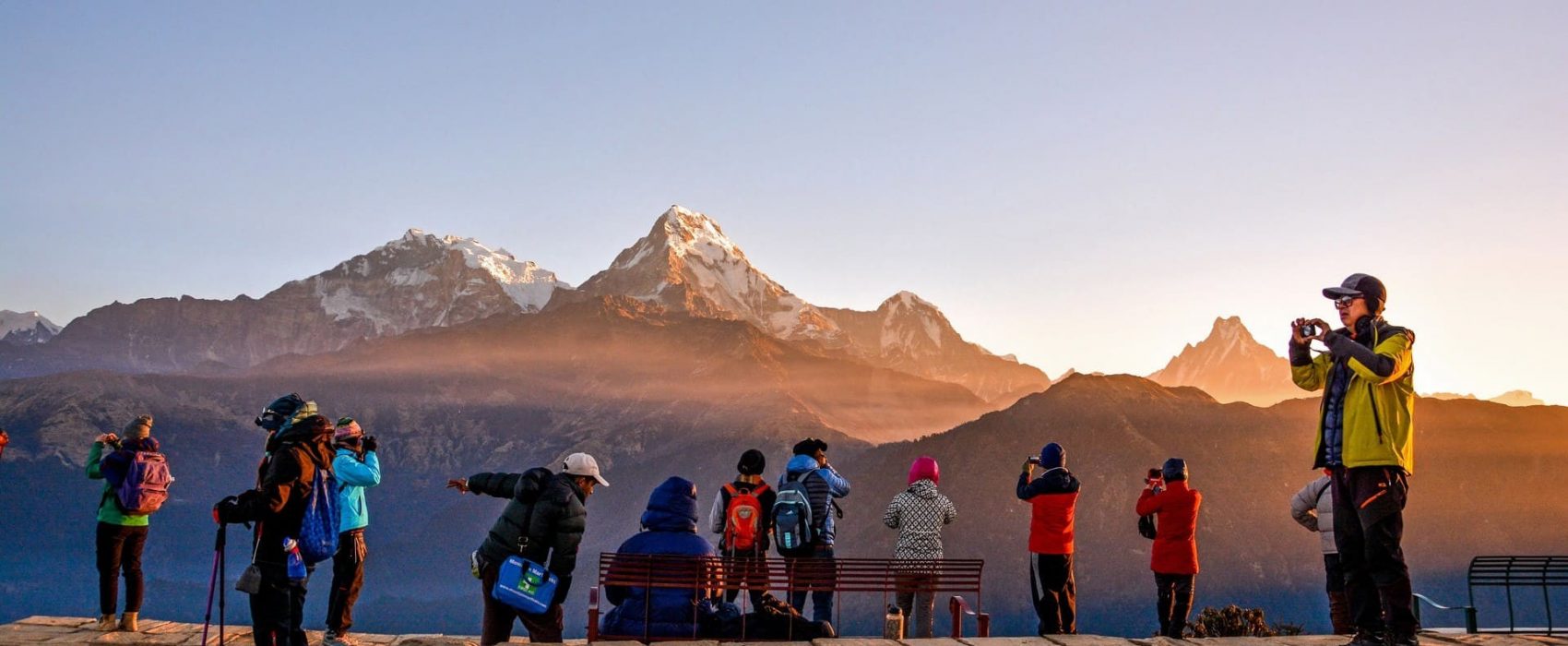
Nepal doesn’t have a demand problem.
In 2023 and 2024, international tourist arrivals rebounded strongly after the pandemic slowdown. According to Nepal Tourism Board data, hundreds of thousands of travelers returned for trekking, mountaineering, and cultural tourism. Search interest for Everest Base Camp, Annapurna Circuit, and Nepal trekking tours continues to trend globally.
Yet many local travel agencies report something frustrating:
Plenty of international website visits.
Very few direct bookings.
What’s happening?
The answer often sits quietly in the English copy. Not in the photos. Not in the itinerary. Not in the pricing.
In the words.
If your English feels translated instead of natural, hesitant instead of confident, unclear instead of persuasive — international visitors hesitate. And hesitation kills conversions.
Let’s unpack why this happens — and what real examples show us.
Tourism Is Emotional — But Trust Is Logical
Adventure tourism buyers are emotional. They imagine mountains, culture, once-in-a-lifetime experiences.
But when they’re about to pay $1,200–$3,000 for a trekking package, emotion gives way to logic. They look for:
- Clear inclusions and exclusions
- Safety guarantees
- Transparent cancellation policies
- Confident explanations
If your English itinerary says:
“We will try our best to make you satisfied with our hospitality.”
It may sound polite locally. But internationally, it feels uncertain.
Visitors want confidence, not hope.
Real Example: Nepal-Based Trekking Agencies on TripAdvisor
Many Kathmandu-based trekking agencies rely heavily on TripAdvisor and Viator bookings because their own websites convert poorly.
Why?
Compare high-ranking agencies like Himalayan Glacier Trekking (which maintains professionally written English content) to smaller agencies with direct translations from Nepali.
Key differences in higher-converting sites:
- Clear bullet-point inclusions
- Risk disclaimers written in natural English
- Strong calls to action (“Book Your Trek Today”)
- Clear altitude and safety explanations
Agencies that upgraded their English website structure often reported higher direct inquiries instead of relying solely on third-party platforms.
That’s measurable behavior: fewer platform fees, more direct bookings.
SEO Alone Doesn’t Solve Conversion
Some Nepali tourism websites rank well for keywords like “Everest Base Camp Trek cost.” But ranking is only step one.
If the page reads like:
“Our company have been operating from long time and provide best service for you kindly contact us.”
International buyers subconsciously question professionalism.
Nepali to English localization must address:
- Natural phrasing
- Clear itinerary formatting
- Transparent pricing explanations
- Cultural expectation alignment
Ranking brings traffic. Clarity brings revenue.
Cultural Gaps in Persuasion
Nepali hospitality culture emphasizes humility and warmth. Western tourism marketing emphasizes authority and reassurance.
Instead of saying:
“We hope you will enjoy your journey.”
International buyers respond better to:
“Our certified guides ensure your safety and comfort at every altitude.”
The first is polite. The second builds confidence.
Tone shifts conversions.
Safety Language Is Critical
After the 2015 earthquake and subsequent global concerns about Himalayan safety, international visitors became highly sensitive to risk communication.
Tour operators that clearly outlined:
- Evacuation procedures
- Guide certifications
- Insurance requirements
- Weather contingencies
in professionally localized English saw stronger trust signals.
Ambiguous safety language discourages booking — even if operations are solid.
Payment Confidence and Refund Policies
International tourists want to know:
- Is payment secure?
- What if the trip is canceled?
- Are refunds guaranteed?
Clear English explanations reduce friction. Vague phrasing increases chargeback risk and inquiry hesitation.
In global tourism, clarity equals booking velocity.
Conclusion: Tourism Growth Requires Communication Precision
Nepal doesn’t lack global interest. It lacks conversion clarity on many local websites.
If you operate in tourism, your English content must:
- Sound native
- Communicate confidence
- Clarify safety
- Structure itineraries professionally
- Align with international expectations
You’re not competing only with other Nepali agencies. You’re competing with global tour operators.
If international bookings matter to you, invest in making your English website persuasive, structured, and trustworthy.
Because breathtaking mountains deserve equally strong communication.
FAQs
- Why don’t international visitors trust some Nepali tourism websites?
Because unclear English and vague safety explanations reduce perceived professionalism. - Does English tone really affect bookings?
Yes. Confident, clear phrasing increases trust and conversions. - Is SEO enough to grow bookings?
No. SEO brings traffic; persuasive English content drives sales. - What pages need the most localization?
Itinerary pages, safety information, payment terms, and refund policies. - Can better English reduce reliance on TripAdvisor?
Yes. Clear direct-booking websites reduce third-party dependency.