

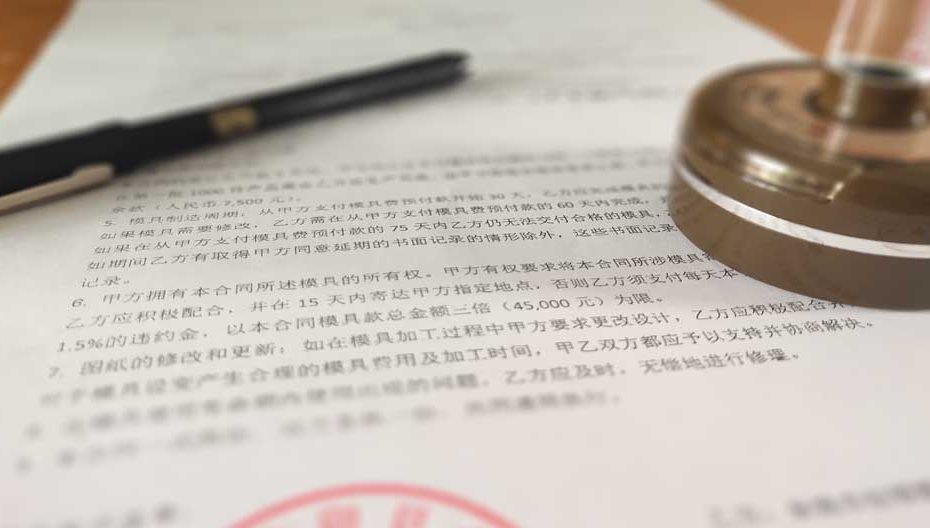
If you’ve ever read an English translation of a Chinese contract and thought, “Why does this feel so long, repetitive, and overly cautious?”—you’re not alone. To many Western executives, Chinese contracts translated into English feel overwritten, defensive, and even redundant. Clauses repeat ideas. Definitions seem excessive. Obligations are spelled out again and again.
But here’s the reality: this isn’t poor document translation. It’s deliberate legal protection embedded into Chinese commercial culture. Chinese contracts are designed to survive ambiguity, enforcement uncertainty, and relationship-based disputes. When translated faithfully into English, those safeguards don’t disappear—they just become more visible.
Why Chinese Contracts Are Built Differently
Chinese contracts exist in a legal environment where:
- Enforcement varies by jurisdiction
- Courts prioritize written clarity over implied intent
- Business disputes often involve regulatory overlays
As a result, Chinese contracts aim to eliminate interpretation gaps. Everything is spelled out. Nothing is assumed. When translated into English, this structure clashes with Western drafting norms that rely more on precedent and implied understanding.
Redundancy as Risk Control, Not Poor Writing
What feels like redundancy in English is actually layered protection. Chinese contracts often:
- Define the same obligation from multiple angles
- Restate responsibilities under different conditions
- Repeat key limitations across sections
This ensures that if one clause is challenged, another still holds. In Chinese to English translation, removing this repetition can unintentionally strip away enforceability.
Why Literal Simplification Is Dangerous
Some companies ask translators to “clean up” or “streamline” English contracts to sound more Western. This is where problems begin.
When you simplify:
- You remove jurisdiction-specific safeguards
- You weaken dispute-resolution clarity
- You introduce interpretive gaps courts may exploit
Good localization respects function over style—especially in legal documents.
The Role of Explicit Definitions in Chinese Contracts
Chinese contracts rely heavily on detailed definitions because Chinese legal language does not rely on case law the way English common law systems do.
When translated, this results in:
- Long definition sections
- Precise terminology reuse
- Strict consistency across clauses
This is intentional. Definitions act as anchors in enforcement scenarios.
Why English Readers Feel “Talked Down To”
English readers often feel Chinese contracts explain the obvious. That’s because Chinese contracts assume:
- Parties may later deny understanding
- Regulators may audit intent
- Judges may interpret narrowly
The contract isn’t just for the parties—it’s for future scrutiny.
Localization vs Legal Integrity
True localization does not mean rewriting Chinese contracts to “sound nicer” in English. It means:
- Preserving legal intent
- Maintaining enforceability
- Explaining cultural differences to stakeholders
Clarity for executives should never come at the cost of legal safety.
What Businesses Should Do Instead
If you’re entering Chinese markets:
- Separate legal translation from executive summaries
- Educate stakeholders on why contracts read this way
- Avoid forcing Western drafting norms onto Chinese agreements
This protects both comprehension and compliance.
Conclusion
English translations of Chinese contracts feel overwritten because they are designed to protect against ambiguity, dispute, and enforcement risk—not to read smoothly. What looks excessive to Western readers is often essential within the Chinese legal framework.
For businesses expanding into China, the goal should never be stylistic comfort. It should be legal resilience. By respecting how Chinese contracts function—and by working with specialists in Chinese to English translation / localization—companies can avoid costly misunderstandings that surface only when it’s too late.
Before asking a translator to “simplify,” ask a better question: What protections are we removing—and who benefits if they disappear?
FAQs
- Are Chinese contracts really more complex than Western ones?
They are more explicit, not necessarily more complex. - Can Chinese contracts be shortened safely?
Only with legal review—not through stylistic edits. - Is repetition intentional in Chinese contracts?
Yes. It reinforces enforceability. - Should contracts be localized differently from marketing?
Absolutely. Legal translation prioritizes accuracy over tone. - Who should handle Chinese contract translation?
Legal translators with cross-border experience—not generalists.