

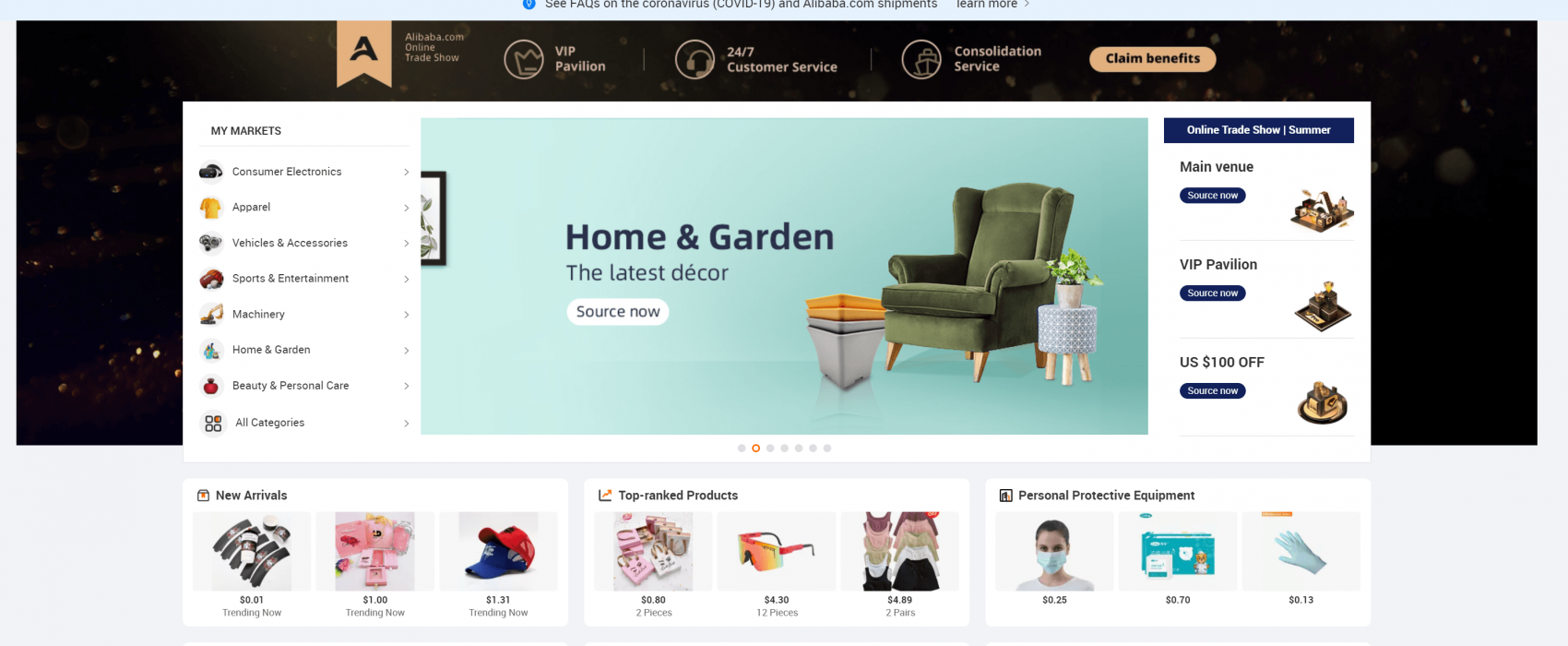
If you’ve ever browsed Alibaba’s English website and thought, “This doesn’t feel as smooth or persuasive as Amazon,” you’re not wrong—but you’re also not seeing a mistake. You’re seeing a localization choice. Many Western businesses assume that strong English UX means copying Amazon’s tone: confident, concise, benefit-driven. But Alibaba operates under very different commercial, cultural, and legal expectations shaped by Chinese business norms.
This article breaks down why Alibaba’s English website doesn’t read like Amazon, even though both platforms serve global audiences. We’ll explore how Chinese to English translation and localization influence structure, tone, risk language, and persuasion strategies. You’ll also see why Alibaba intentionally preserves certain Chinese communication patterns—and why copying Amazon’s English style could actually backfire in cross-border B2B trade.
If your business is entering the Chinese market or translating a Chinese platform for global users, understanding these localization decisions can help you avoid costly misalignment between language, trust, and conversion.
Alibaba vs Amazon: Different Platforms, Different Risk Models
At first glance, Alibaba and Amazon look like competitors. In reality, they serve fundamentally different roles. Amazon is a consumer-facing retailer. Alibaba is a B2B marketplace facilitator.
This distinction matters because B2B environments carry higher legal exposure, negotiation complexity, and transaction uncertainty. Alibaba’s English website reflects this by using more explanatory text, layered disclaimers, and cautious phrasing. What feels “wordy” to Western users is actually a risk-mitigation mechanism inherited from Chinese commercial norms.
Amazon’s English copy optimizes for speed and impulse. Alibaba’s English copy optimizes for clarity, defensibility, and procedural trust.
Why Alibaba’s English Feels More Formal and Less Persuasive
One common reaction is that Alibaba’s English feels stiff or impersonal. That’s not poor writing—it’s localized restraint.
Chinese business communication prioritizes:
- Institutional credibility
- Mutual responsibility
- Explicit scope definitions
When translated into English, this results in longer sentences, repeated clarifications, and less emotional persuasion. Alibaba avoids aggressive calls-to-action because overly promotional language can signal unreliability in Chinese B2B contexts.
Amazon says, “Buy now with confidence.”
Alibaba implies, “Here is the framework under which confidence is established.”
Structural Localization: Information Before Emotion
Amazon’s English UX follows a familiar Western pattern: hook first, details later. Alibaba reverses this.
On Alibaba’s English pages, you’ll often see:
- Definitions before benefits
- Process explanations before value propositions
- Conditions before commitments
This mirrors how Chinese business documents are written. In document translation, this structure reduces ambiguity and protects all parties. While it may slow down casual readers, it reassures serious buyers navigating cross-border trade.
Why Alibaba Avoids Amazon-Style Sales Language
Direct persuasion can feel risky in Chinese commerce. Overpromising damages long-term relationships. Alibaba’s English localization deliberately avoids:
- Absolutes (“best,” “guaranteed,” “fastest”)
- Emotional urgency
- Simplified claims without procedural context
Instead, Alibaba emphasizes frameworks, verification systems, and layered accountability. This isn’t weak copy—it’s trust engineering through language.
Localization Is About Alignment, Not Imitation
Many companies entering Chinese markets assume the goal of website translation is to sound “native English.” Alibaba proves otherwise. The real goal is to sound functionally trustworthy across cultures.
Alibaba’s English is not trying to outperform Amazon’s UX. It’s trying to preserve Chinese business logic while remaining intelligible to global users.
What Businesses Should Learn From Alibaba’s Localization
If you’re translating a Chinese platform or corporate site into English:
- Don’t blindly copy Western UX patterns
- Respect Chinese risk-avoidance language
- Balance clarity with cultural signaling
Effective Chinese to English translation and localization is not about fluency alone—it’s about commercial intent.
When Over-Localization Can Harm Trust
Ironically, some Chinese companies over-localize by forcing Amazon-style English onto Chinese business models. This creates mismatches:
- Sales language unsupported by process
- Claims that conflict with legal realities
- Loss of credibility with experienced buyers
Alibaba avoids this trap by choosing functional accuracy over stylistic mimicry.
Conclusion
Alibaba’s English website doesn’t read like Amazon because it isn’t supposed to. What feels unfamiliar to Western readers is actually a deliberate localization strategy rooted in Chinese business culture, legal caution, and B2B risk management. By prioritizing structure, clarity, and procedural trust over emotional persuasion, Alibaba preserves the commercial logic that makes its platform work globally.
For businesses expanding into Chinese markets—or translating Chinese platforms for international audiences—the lesson is clear: successful localization isn’t about sounding Western. It’s about aligning language with how trust, responsibility, and risk are understood across cultures.
If you’re investing in Chinese to English localization, work with specialists who understand both linguistic nuance and business context. The right localization choices won’t just make your English “read better”—they’ll make your business safer, clearer, and more credible across borders.
FAQs
- Is Alibaba’s English website poorly written?
No. It’s intentionally structured to reflect Chinese B2B risk and trust norms. - Why doesn’t Alibaba use stronger sales language?
Because aggressive persuasion can reduce credibility in Chinese commercial contexts. - Should Chinese companies copy Amazon’s English UX?
Not without adjusting underlying business and legal frameworks. - Does localization mean changing structure, not just words?
Yes. Structure is a core part of localization. - Who needs this kind of localization most?
Businesses translating Chinese platforms, contracts, or marketplaces for global users.