

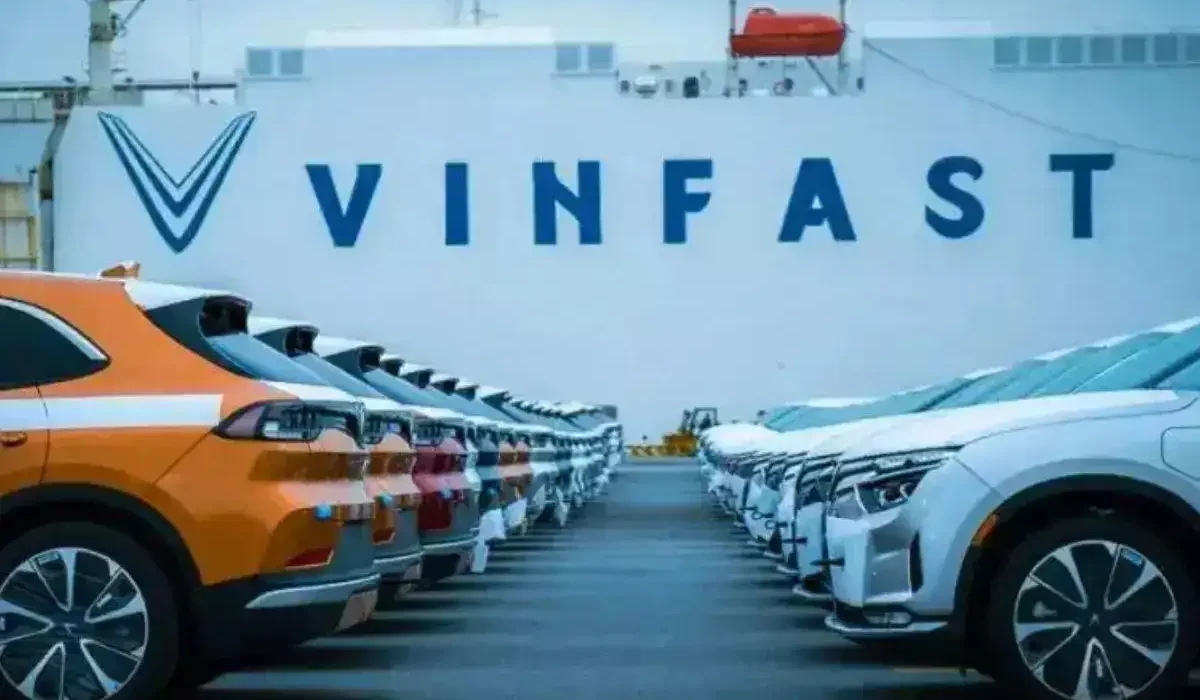
When VinFast announced its global ambitions, it wasn’t just launching electric vehicles—it was launching Vietnam onto the world stage. For Vietnamese businesses watching closely, VinFast became a real-time case study in what happens when local brands step into global markets. And while the engineering grabbed headlines, the Vietnamese to English translation and localization challenges quietly shaped how international audiences perceived the brand.
Localization isn’t just about swapping Vietnamese words for English ones. It’s about tone, clarity, cultural alignment, and trust. VinFast’s launch exposed several friction points that many Vietnamese companies face when translating content for international audiences—especially websites, marketing copy, and official documents. Small linguistic mismatches can feel like loose bolts in an otherwise impressive machine.
- Literal Translations That Sound Mechanical in English
Vietnamese content often translates cleanly at a sentence level—but awkwardly at a human level. VinFast’s early English materials occasionally read as technically correct but emotionally flat. That’s because Vietnamese business writing values formality and structure, while English marketing favors clarity and flow.
When translation sticks too closely to Vietnamese phrasing, English readers feel distance. It’s like reading assembly instructions instead of a brand story. Localization requires rewriting, not just translating, so the message feels native—not imported.
- Vietnamese Promotional Language Feels Overstated in English
Vietnamese corporate messaging often uses confident, aspirational phrasing. In Vietnamese, that tone feels normal and respectable. In English, the same phrasing can feel exaggerated or unsubstantiated.
For example, phrases implying leadership, superiority, or national pride may resonate locally—but trigger skepticism internationally. VinFast had to recalibrate messaging to match Western expectations of proof, data, and understated confidence.
This is where transcreation becomes essential. The idea stays the same, but the emotional delivery changes to suit the target culture.
- Sentence Structure That Slows English Reading Flow
Vietnamese sentence construction tends to layer context before action. English prefers action first, then explanation. When Vietnamese structure is preserved in English translation, sentences feel long, winding, and mentally exhausting.
Some early VinFast content required rereading—not because it was wrong, but because it followed Vietnamese logic instead of English rhythm. For global audiences, clarity equals credibility. Smooth English flow builds trust faster than perfect grammar ever could.
- Inconsistent Terminology Across Global Materials
VinFast’s rapid expansion meant content was produced across teams, markets, and timelines. Without a strong localization framework, English terminology varied across websites, press releases, and technical documents.
Inconsistency confuses users. One term today, another tomorrow—it subtly signals disorganization. For businesses entering English markets, consistent document translation standards are non-negotiable, especially in technical or regulatory contexts.
- Cultural Assumptions Hidden Inside Vietnamese Phrasing
Vietnamese content often assumes shared cultural context—values, social cues, or implied meanings. International readers don’t share that background.
For example, references to national progress, collective achievement, or institutional trust may not carry the same emotional weight abroad. VinFast’s localization journey showed how these assumptions must be unpacked, explained, or removed entirely for global clarity.
Localization means translating meaning, not just language.
- UX Copy That Wasn’t Designed for Global Users
Website translation isn’t only about text—it’s about experience. Early English UX content reflected Vietnamese navigation habits and explanations. Global users expect simpler prompts, clearer calls to action, and fewer words.
VinFast refined its English UX by shortening explanations, clarifying labels, and adapting language to global usability norms. This shift improved trust and reduced friction—proof that website translation must align with user behavior, not just language rules.
What Vietnamese Businesses Can Learn from VinFast
VinFast didn’t fail—it adjusted. And that’s the lesson. Global launches expose localization gaps fast, but they also offer a roadmap for improvement. Vietnamese companies entering English markets must plan for localization early, not as an afterthought.
Professional English localization blends linguistic accuracy, cultural awareness, and strategic rewriting. It’s not a cost—it’s a market entry investment.
Conclusion
VinFast’s global launch showed the world what Vietnamese innovation can achieve—but it also highlighted how language shapes perception. The challenges weren’t about English proficiency; they were about localization depth. Literal translations, cultural assumptions, and Vietnamese sentence logic created friction that only thoughtful localization could fix.
For businesses expanding beyond Vietnam, the lesson is clear: Vietnamese to English translation is not a word-for-word exercise. It’s about trust, flow, and credibility. Whether you’re translating a website, legal documents, or global marketing content, success depends on how naturally your message lands with international audiences.
If your English content still “sounds translated,” global customers will feel it—instantly. Investing in professional localization and transcreation ensures your brand speaks the language of your market, not just its vocabulary. Ready to scale globally? Start by making your English sound like it was written there.
FAQs
- Why is VinFast often cited in localization discussions?
Because its global launch exposed real-world Vietnamese to English localization challenges at scale. - Is literal translation ever enough for global markets?
Rarely. Literal translation often misses tone, flow, and cultural nuance. - What’s the difference between translation and transcreation?
Translation converts language; transcreation adapts meaning, tone, and intent. - Why does sentence structure matter so much?
Because English readers expect clarity and speed—Vietnamese structure can slow comprehension. - When should localization start in a global expansion?
Before launch—not after feedback reveals confusion or mistrust.