

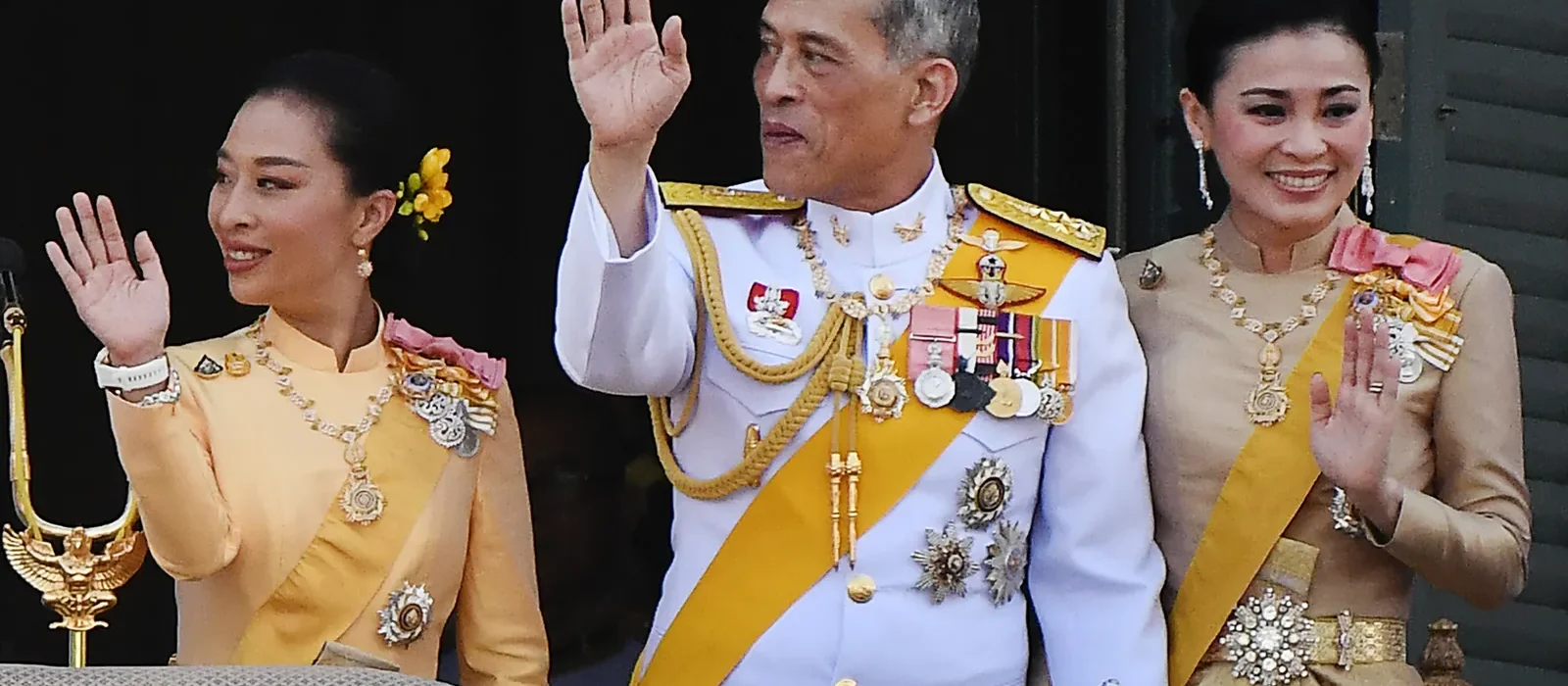
If you’ve ever tried to convert Thai royal terms into English, you’ve likely discovered something puzzling—some words simply refuse to migrate. The reason is more than vocabulary; it’s identity, heritage, and hierarchy woven into speech. Thai monarchy-related language isn’t just descriptive—it’s performative. Every term signals respect, reverence, and a sense of sacred distance that English, with its largely egalitarian syntax, struggles to replicate. This linguistic gap makes Thai to English translation and localization especially challenging, often leaving translators torn between literal correctness and cultural fidelity.
In this article, we dive deep into why Thai royal terminology resists direct English equivalents, how hierarchical speech systems shape interpretation, and what happens when cultural meaning becomes lost or diluted. We’ll explore real-world examples, including public documents, media translations, and state communications, to understand why traditional English translation tools fall short and how localization specialists attempt to bridge the cultural divide. Whether you’re a translator, a language enthusiast, or someone curious about Thailand’s cultural depth, this journey will reveal the hidden layers inside Thai royal language.
Understanding Thai Royal Linguistics
The Royal Register—A Language Within a Language
Thai royal communication operates within a separate linguistic register known as Rachasap. Unlike ordinary Thai, Rachasap employs specialized verbs, nouns, pronouns, and idioms exclusively reserved for interactions with or references to the royal family. For example, everyday verbs like “eat” transform into sawap in palace contexts. English has no comparable register, making any Thai to English translation inherently reductive. While English may denote respect through tone, Thai encodes reverence structurally, making the loss of nuance almost unavoidable.
Cultural Hierarchy Embedded in Vocabulary
Thai society values hierarchical respect, and the monarchy stands at the apex. Language reflects this hierarchy through precise lexical choices. Terms like Phra Bat Somdet Phra Chao Yu Hua (the formal title for the king) carry cultural, political, and spiritual significance. English titles such as “His Majesty the King” merely skim the surface and fail to convey embedded sacredness. This distance isn’t a linguistic accident—it’s cultural architecture.
Why English Is Structurally Inadequate
Absence of Linguistic Stratification
English lacks speech levels. Whether addressing a president or a child, the verb forms remain identical. Thai features multiple registers—common, polite, formal, monastic, and royal—each with distinct vocabulary. Translating Khabuan Rachasap into English often results in flattening linguistic elevation. Without equivalent semantic tiers, translators must choose between over-formality, archaic diction, or cultural misrepresentation.
Lost Symbolism During Localization
Many Thai royal terms carry mythological subtext derived from Hindu, Buddhist, and animistic traditions. For instance, references to the monarchy as god-like beings descend from ancient cosmology. When localized into English, such metaphors frequently disappear due to Western discomfort with divine political status. Localization requires cultural adaptation, not just word exchange—and in this space, royal terminology becomes nearly untranslatable.
Historical and Political Constraints
Legal Restrictions on Speech
Thailand’s lèse-majesté laws prohibit defamatory or misunderstood references to royalty. Translators must tread carefully, ensuring tone and nuance remain intact. This legal environment intensifies the demand for accurate localization; mistakes aren’t just awkward—they can be criminal.
Media Translation Case Studies
International media outlets often misinterpret royal announcements. When a Thai royal event was translated into English in 2022, several global news agencies simplified ceremonial titles, unintentionally omitting sacred elements. The backlash highlighted the importance of cultural retention in Thai to English localization.
Modern Localization Challenges
Machine Translation Fails Miserably
AI-driven translators struggle with hierarchical registers. Tools like Google Translate process lexical units, not cultural reverence. As a result, Rachasap emerges in English as stiff or nonsensical. Until machine learning models incorporate cultural context, accuracy remains elusive.
Dynamic Usage in Public Ceremonies
Ceremonial announcements showcase dense royal terminology. When translated for foreign dignitaries, interpreters must balance literal truth with diplomatic tone. The gap between meaning and intention widens as cultural depth evaporates in English syntax.
The Future of Thai Royal Localization
Transcreation Over Translation
Professionals increasingly rely on transcreation—reinterpreting meaning rather than converting text. While direct translation prioritizes correctness, transcreation preserves emotional and cultural tone. The shift demonstrates that Thai royal terminology requires more than bilingual skill—it needs bicultural fluency.
Educating English-Speaking Audiences
Linguistic awareness is growing. Tourism boards, embassies, and cultural institutions now provide interpretive guides explaining Rachasap. This shift acknowledges that some words demand context, not conversion.
Conclusion
Thai royal language isn’t merely vocabulary—it’s a living archive of spirituality, hierarchy, and national identity. Attempting to convert Rachasap directly into English dismantles its purpose, turning reverence into formality and sacredness into decoration. As we’ve explored, structural linguistic differences, cultural stratification, and legal considerations make Thai to English translation uniquely complex. English cannot replicate what Thai encodes in hierarchical language structures, and localization must account for emotional and cultural resonance—not just semantics. For translators, this isn’t a technical challenge—it’s a cultural responsibility.
If you’re working in translation, localization, or cultural communications, remember this: not every word has an English twin, and sometimes, the meaning lies between ideas rather than inside them. Understanding the essence instead of the surface is what separates mere translation from cultural respect. Dive deeper, stay curious, and embrace the rich linguistic world Thailand has guarded for centuries.
FAQs
- Why can’t Thai royal titles be directly translated?
Because they embed hierarchy, spirituality, and cultural reverence that English lacks structurally. - Is using formal English equivalents disrespectful?
Not inherently, but it often removes emotional and cultural nuance integral to Rachasap. - Do translators need special training for royal language?
Yes. Thai royal terminology requires linguistic, historical, and cultural proficiency. - Why do machine translators fail with royal terms?
They lack contextual and cultural understanding, interpreting only literal lexical elements. - Can foreign audiences learn Thai royal terminology effectively?
Absolutely—if exposed through guided context, not literal English substitutions.